- The 2026 World Cup expansion to 48 teams increases revenue potential for broadcasters and tech sponsors.
- Host cities face a trade-off between massive tourism revenue and the high costs of infrastructure and security.
- Construction and sports-tech sectors are seeing significant growth from stadium and digital upgrades.
- Long-term economic success depends on balancing immediate tourism gains with sustainable urban development.
The Financial Winners and Losers of the 2026 FIFA World Cup
As the 2026 FIFA World Cup approaches, analysts weigh in on which sectors, cities, and stakeholders stand to gain—and who might be left footing the bill.
Jul 17, 2026·0 views
Key Takeaways
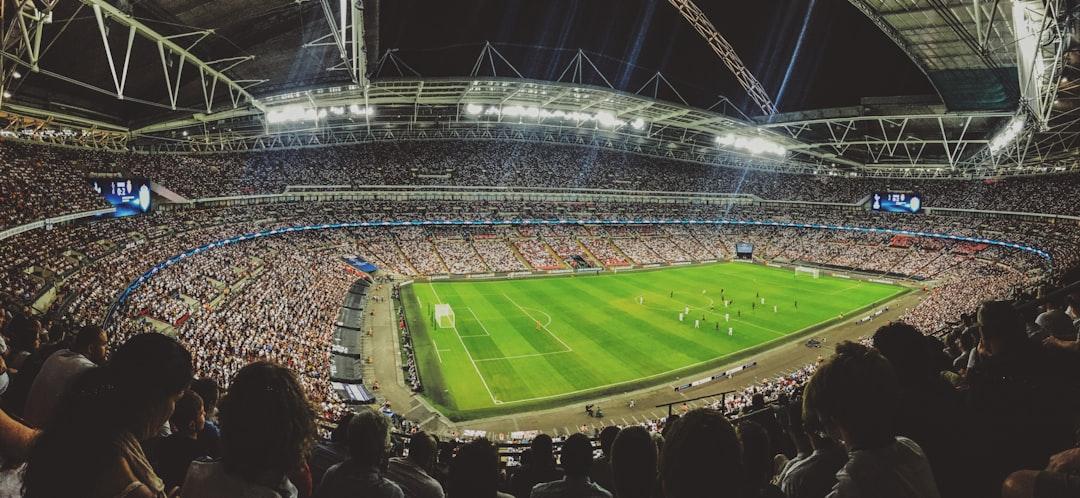
The FIFA World Cup has long been considered the pinnacle of sporting events, but as the world prepares for the 2026 tournament—hosted jointly by the United States, Canada, and Mexico—the financial stakes have reached unprecedented levels. While the spectacle on the pitch captures the global imagination, a parallel race is unfolding behind the scenes: the contest to capitalize on the massive influx of capital, tourism, and infrastructure investment.
Historically, the most immediate financial victors in any World Cup cycle are the global media giants and corporate sponsors. For 2026, the expansion of the tournament format to 48 teams has significantly increased the number of matches, directly translating to higher broadcast rights revenue and more inventory for advertising partners.
Tech companies and streaming platforms are currently locked in a fierce battle for digital dominance. With traditional cable viewership declining, the 2026 World Cup represents a "must-have" content play for streaming services looking to capture a global audience. These platforms are investing billions in production and distribution, betting that the tournament will drive record-breaking subscription growth and long-term user retention.
For the host cities, the economic narrative is more complex. On one hand, cities like New York, Los Angeles, and Mexico City are poised to see a massive surge in hospitality revenue. Hotels, restaurants, and local transport sectors are already factoring in a multi-week windfall.
However, the "World Cup effect" is not a guaranteed economic panacea. Critics often point to the "hidden costs" of hosting, which include:
- Infrastructure Upgrades: Significant public funding is often diverted to stadium renovations and transit improvements that may not yield long-term utility for local residents.
- Security and Logistics: Managing the safety of millions of international visitors requires massive expenditure on policing and emergency services, often borne by municipal taxpayers.
- Displacement Risks: Small businesses in high-traffic zones may face rent spikes or operational disruptions that outweigh the short-term spike in foot traffic.
Beyond the hospitality sector, the construction and technology industries are clear beneficiaries. The need to bring stadiums up to FIFA’s stringent standards for lighting, turf quality, and connectivity has sparked a construction boom across North America.
Furthermore, the integration of AI-driven fan engagement tools and sophisticated ticketing systems has turned the tournament into a massive testbed for sports-tech firms. Companies providing biometric security, real-time data analytics for broadcast, and crowd-management AI are seeing their stock and private valuations rise as they secure contracts for the 2026 cycle.
While the macro-level indicators often look positive, the micro-level reality can be stark. Local residents in host cities may find themselves priced out of their own neighborhoods during the tournament. Furthermore, cities that are not primary hubs but are located nearby may suffer from a "drain effect," where tourists bypass local attractions entirely to congregate in the major host centers, leaving the surrounding areas to deal with congestion without the benefit of the economic windfall.
As FIFA continues to expand the scale of the tournament, the question of sustainability looms large. The 2026 World Cup is testing the limits of how much economic activity a host nation can absorb. For investors and policymakers, the lesson is clear: the financial success of the World Cup is no longer just about ticket sales. It is about the ability to leverage the event for long-term urban development and digital infrastructure upgrades that outlast the final whistle.
Whether this investment pays off will depend on the ability of host nations to manage the delicate balance between corporate exploitation and public benefit. As we count down to 2026, the financial winners will be those who focused on long-term value rather than just the immediate, fleeting surge of tourist dollars.
Enjoying this article?
Get the daily AI briefing sent straight to your inbox.
Frequently Asked Questions
Who are the primary financial beneficiaries of the 2026 World Cup?
Broadcasters, corporate sponsors, and the sports-tech sector are expected to see the most significant financial gains due to the expanded tournament format.
Do host cities always make a profit from the World Cup?
Not necessarily. While host cities see a surge in tourism, the costs of infrastructure, security, and logistics often place a heavy burden on municipal taxpayers, leading to mixed economic outcomes.
Comments
0Please sign in to leave a comment.
Related articles
Real Madrid Eyes Record-Breaking Move for Michael Olise
Real Madrid is weighing a world-record transfer bid for Michael Olise, signaling a new era of aggressive recruitment for the Spanish giants.
The World Cup's Third-Place Play-off: Is It Time to Retire the Bronze Final?
Often viewed as an anticlimactic hurdle, the third-place play-off faces scrutiny for its lack of competitive stakes and physical toll on players.
AS Roma Accelerate Crysencio Summerville Pursuit to Bolster Attacking Options
AS Roma is moving quickly to secure Crysencio Summerville from Leeds United, aiming to finalize the transfer before the week concludes to address critical gaps in their attack.