- European fertility experts are calling for strict caps on the number of offspring per sperm donor to protect donor-conceived individuals.
- The AI industry is shifting focus from LLMs to 'World Models' designed to understand physical laws and object interactions.
- World models aim to solve the 'common sense' gap in AI, enabling better performance in physical environments.
- Both fields highlight a growing need for ethical and structural frameworks as technology advances.
The Evolution of Bioethics and AI World Models: A Weekly Tech Brief
From the ethical regulation of sperm donation to the next frontier in artificial intelligence, we explore the latest developments shaping our future.
Jul 13, 2026·0 views
Key Takeaways
In a significant move that highlights the intersection of reproductive technology and social ethics, European fertility experts are calling for stricter limits on the number of offspring a single sperm donor can produce. The conversation, brought to the forefront by the experiences of individuals like Ties van der Meer, underscores the unintended consequences of unregulated fertility practices. Van der Meer, a 47-year-old conceived at a private clinic, remains uncertain about the exact number of his biological siblings, a reality that has sparked a broader debate regarding the psychological and social impacts on donor-conceived individuals.
Advocates for stricter guidelines argue that without proper capping, the risk of accidental consanguinity increases, particularly in smaller populations. Furthermore, the anonymity and potential for an unlimited number of offspring can lead to complex identity challenges. The European fertility group is now pushing for:
- National registries to track the number of children born per donor.
- Strict numerical caps to limit the total number of families one donor can assist.
- Better support systems for donor-conceived individuals seeking to connect with their biological origins.
As fertility technologies continue to advance, the legal and ethical frameworks surrounding them are struggling to keep pace. This latest push serves as a reminder that technological capability must be balanced with human-centric considerations.
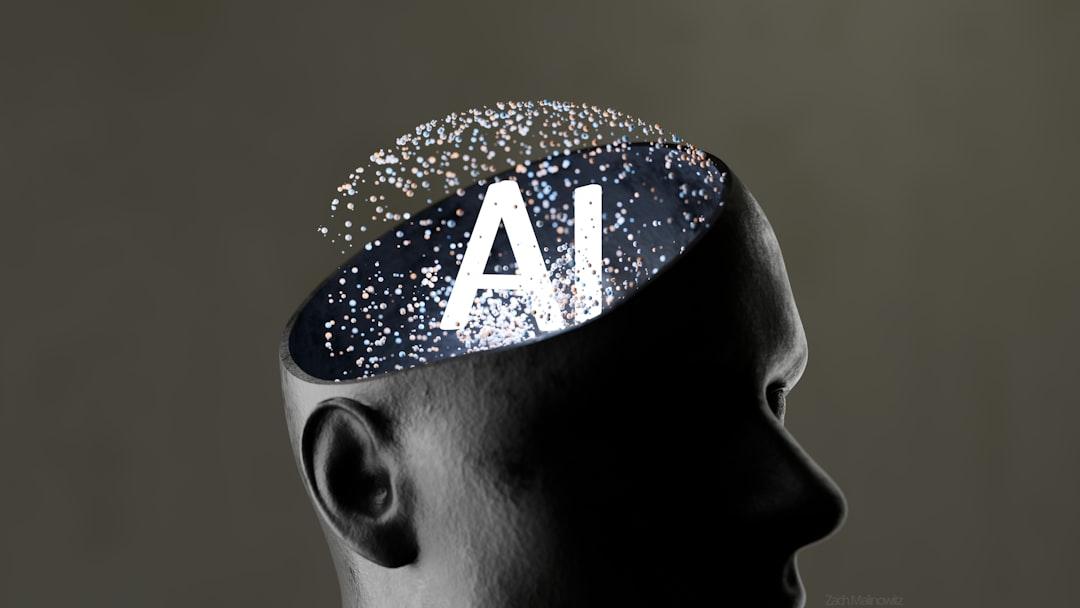
While bioethics takes center stage in the medical field, the world of artificial intelligence is undergoing its own paradigm shift. Researchers are moving beyond simple Large Language Models (LLMs) toward what are being called "World Models." Unlike current AI that predicts the next word in a sequence, these advanced systems are designed to understand the underlying laws of physics and the structure of the world around us.
Current AI often struggles with common sense and physical reasoning. If you show a standard AI a video of a ball rolling off a table, it can describe it, but it doesn't truly 'understand' gravity or object permanence. World models aim to bridge this gap by:
- Predicting Outcomes: Simulating future states based on current environmental data.
- Physical Reasoning: Learning how objects interact within a 3D space.
- Enhanced Autonomy: Allowing robots and autonomous vehicles to navigate unpredictable environments more effectively.
Tech giants and startups alike are pouring billions into this research. The goal is to create AI that doesn't just process text, but interacts with reality. By training models on massive amounts of video data, engineers hope to teach AI the 'rules of the game'—the unwritten laws of cause and effect that govern our daily lives. If successful, this could lead to a new generation of AI assistants capable of performing complex physical tasks in the real world, moving us closer to the dream of Artificial General Intelligence (AGI).
Both the regulation of donor conception and the advancement of world models represent a broader trend: the attempt to impose structure on complex, fluid systems. Whether it is managing the biological legacy of humans or the cognitive architecture of machines, the challenge remains the same. We are moving toward a future where our tools—both medical and digital—are becoming increasingly integrated into the fabric of our society.
As we look ahead, the collaboration between ethicists, policymakers, and computer scientists will be essential. The decisions made today regarding fertility caps and AI development will have long-lasting implications for generations to come. At Imai News, we will continue to monitor these developments, providing the context and analysis you need to stay informed in an ever-changing world.
Enjoying this article?
Get the daily AI briefing sent straight to your inbox.
Frequently Asked Questions
Why are fertility groups calling for sperm donor limits?
To prevent accidental consanguinity and mitigate the psychological challenges faced by donor-conceived individuals who may have an unknown, large number of siblings.
What is an AI world model?
An AI world model is a type of machine learning system designed to understand and predict the physical laws and cause-and-effect relationships of the real world, rather than just predicting text.
Comments
0Please sign in to leave a comment.
Related articles

Anthropic Overhauls AI Usage Policy to Combat Sophisticated Digital Threats
Anthropic has released a significant update to its usage policy, targeting the rise of AI-driven influence operations and autonomous capabilities.
Elon Musk Pledges SpaceX Equity to Every American Child in Bold Wealth Initiative
Elon Musk has announced a historic plan to grant SpaceX shares to every child in America, a move valued at over $10 billion.
Apple Cracks Down on 'Nudify' AI Apps in App Store Policy Overhaul
Apple is taking aggressive action against 'nudify' apps that hide their true functionality to bypass security screenings.