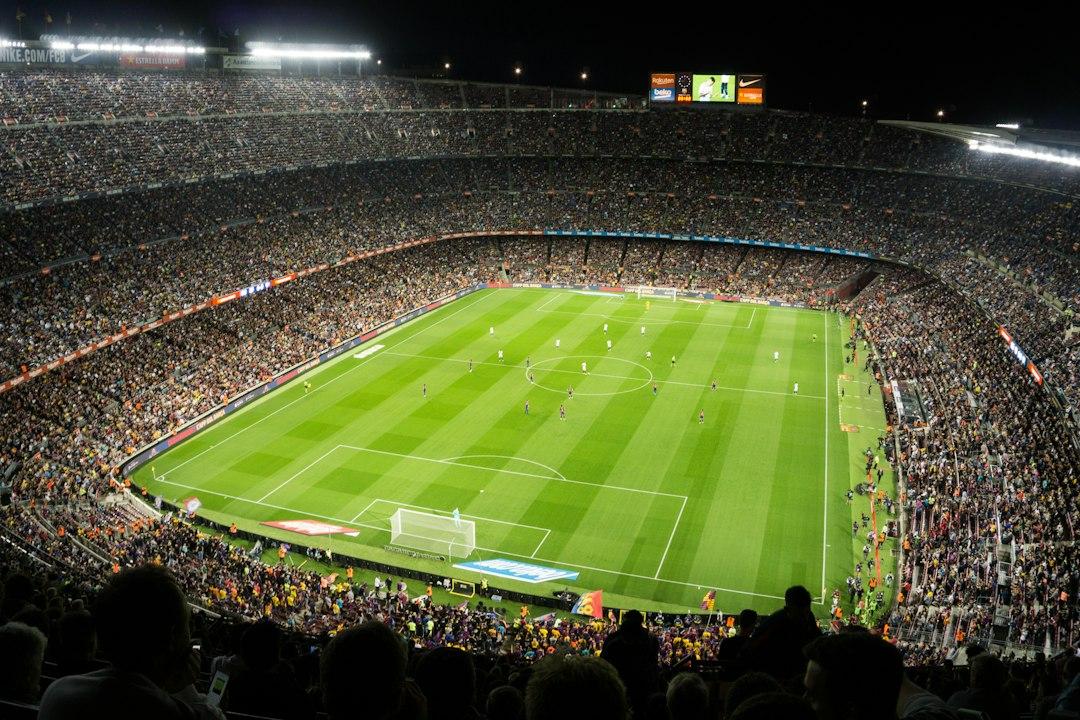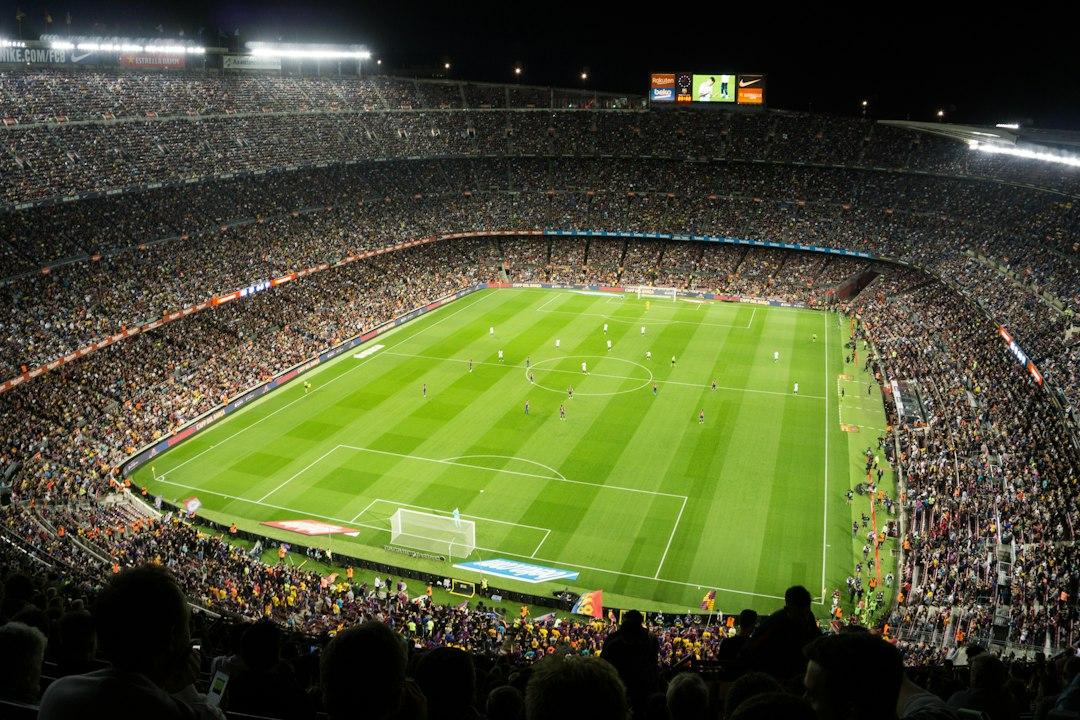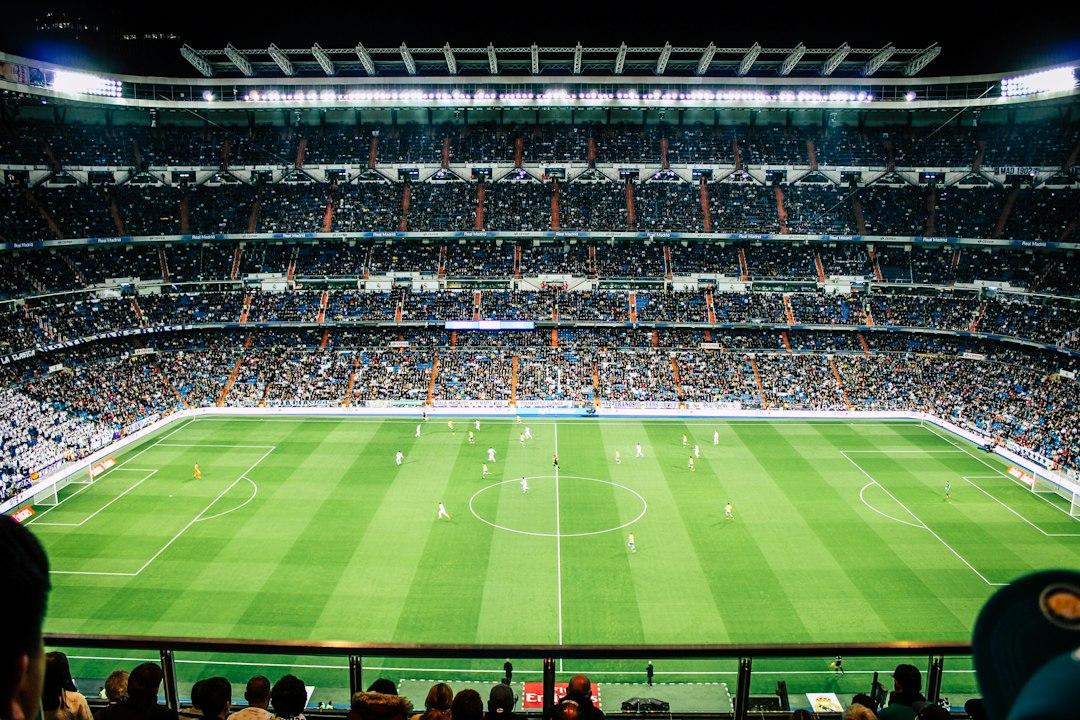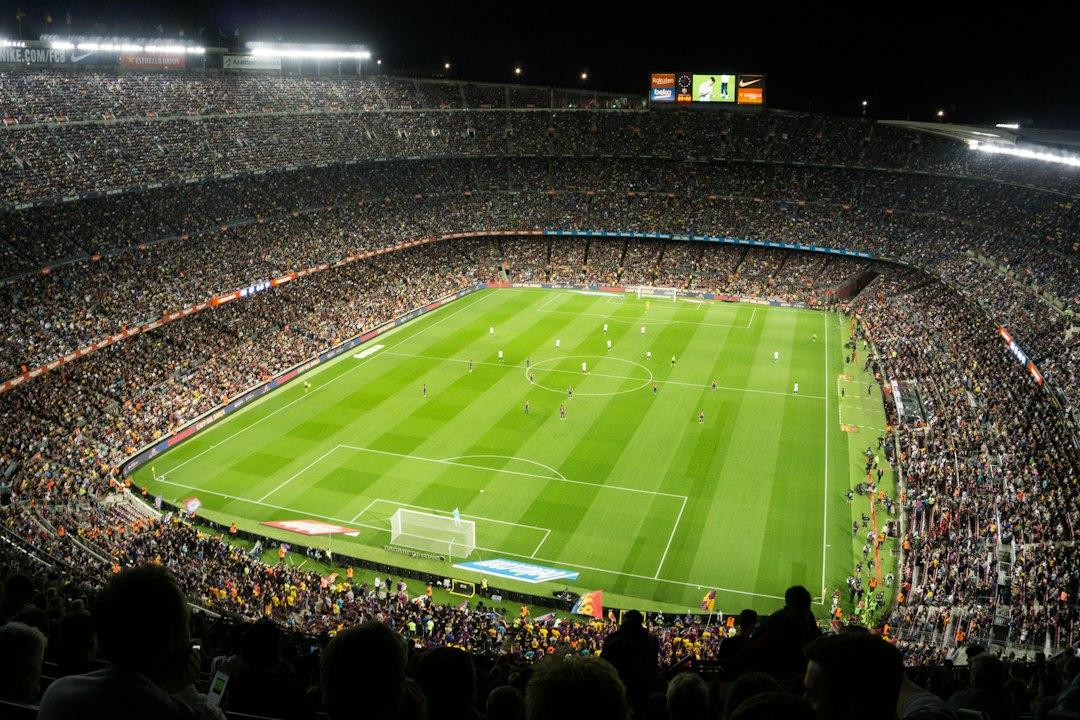
The landscape of modern international football is increasingly defined not by tactical rigidity on the pitch, but by the delicate art of elite man-management off it. The recent revelation that Real Madrid goalkeeper Thibaut Courtois will sit out Belgium’s upcoming UEFA Nations League fixtures—following a direct, open dialogue with the national team's coaching staff—is a prime example of this evolution.
Rather than signaling a permanent rupture, this calculated exclusion represents a pragmatic diplomatic truce. By establishing an open-ended understanding summed up by the philosophy of "if anything happens, we communicate," both player and country are prioritizing long-term physical sustainability over short-term international fixtures. As Belgium navigates a transitional era, managing their remaining world-class assets is paramount to their hopes for the FIFA World Cup 2026.
For an elite goalkeeper playing at the absolute pinnacle of club football, the international calendar has transitioned from a source of pride to an unsustainable physical burden. Courtois, who has battled severe knee injuries over the past eighteen months—including a ruptured ACL and subsequent meniscus issues—must manage his workload with extreme precision.
- Club vs. Country Demands: Real Madrid’s expanded schedule, featuring the revamped UEFA Champions League and the upcoming FIFA Club World Cup, places unprecedented physical demands on starting players.
- Injury Prevention: At 32 years old, Courtois requires structured recovery periods that the intensive international break windows simply do not allow.
- Psychological Reset: Stepping away from the high-pressure national team environment allows the veteran to focus entirely on maintaining his status as Real Madrid’s undisputed number one.
This agreement is not a retirement; it is a strategic pause. The coaching staff's willingness to grant Courtois this space demonstrates a modern approach to player welfare, recognizing that a healthy, motivated Courtois in 2026 is infinitely more valuable than a fatigued Courtois in a mid-season Nations League group stage match.
The crucial takeaway from the coaching staff's recent press conference is the phrase: "If anything happens..." This terminology serves as a vital safety net for both parties. It keeps the communication channels open without forcing either side into a corner.
For Belgium, it means they do not close the door on one of the greatest goalkeepers of his generation. For Courtois, it removes the immediate pressure of national duty while leaving the path clear for a triumphant return when the stakes are at their highest. This mutual flexibility prevents the media-fueled drama that has previously plagued the Belgian camp, offering a clean slate under the current managerial regime.
Belgium is currently undergoing a painful but necessary transition. The legendary "Golden Generation" that secured a third-place finish at the 2018 World Cup has largely dispersed. Eden Hazard has retired, Toby Alderweireld and Jan Vertonghen have stepped back, and Kevin De Bruyne faces his own battle against the biological clock.
In this transitional phase, the national team must accomplish two things simultaneously:
- Blood New Talent: Young goalkeepers must be given meaningful international minutes to build chemistry with a revamped defensive line.
- Maintain Elite Standards: The squad must retain enough veteran leadership to guide the next generation and ensure qualification for the FIFA World Cup 2026.
By allowing Courtois to sit out current fixtures, backup goalkeepers like Koen Casteels and Matz Sels are afforded invaluable starting experience. This builds squad depth and tactical resilience, ensuring that Belgium is not overly reliant on a single individual when tournament football returns.
From a club perspective, Real Madrid will undoubtedly welcome this development. Elite clubs have long lamented the "FIFA virus"—the tendency for star players to return from international breaks with debilitating injuries. For a club that pays premium wages, the national team's cooperative stance is a welcome relief.
Courtois remains vital to Carlo Ancelotti’s defensive system. His ability to train under controlled conditions in Madrid during the international break, rather than traveling and adapting to different training regimens, significantly mitigates his re-injury risk. This synergy between club and country management could serve as a blueprint for other elite stars juggling congested schedules.
Ultimately, all roads lead to North America in 2026. Belgium’s goal is not merely to participate, but to prove that their footballing pipeline can sustain elite-level competitiveness even after the twilight of their golden era.
Keeping Thibaut Courtois in reserve, healthy, and on amicable terms is a core pillar of this strategy. By managing the present with diplomatic maturity, Belgium's coaching staff is safeguarding the future. When the bright lights of the World Cup turn on in 2026, do not be surprised to see a refreshed, elite-level Courtois back between the posts for the Red Devils.