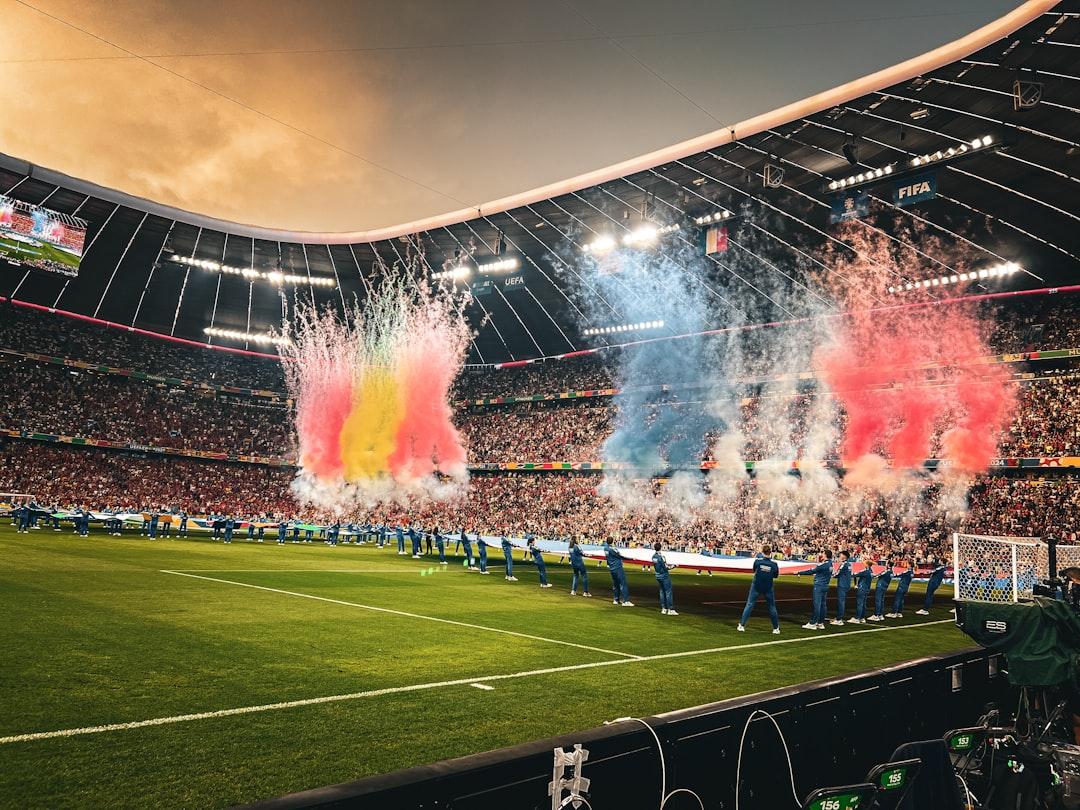
The beautiful game has always harbored a penchant for the unpredictable, but some results transcend mere surprise to shake the very foundations of international football. Cape Verde’s stunning performance against reigning world champions Argentina is one such watershed moment. What was once dismissed as an uneven matchup between a footballing superpower and a coastal island nation of just over half a million people transformed into a masterclass of tactical resilience and fearlessness.
For Argentina, a team accustomed to dictating the tempo of global football under Lionel Scaloni, the match was a stark reminder that reputation alone no longer guarantees victory. For Cape Verde, affectionately known as the Blue Sharks, the result represents the ultimate validation of a long-term footballing strategy that is quietly reshaping the balance of power in the sport.
To understand how Cape Verde neutralized the world champions, one must look past the emotional narrative of the 'underdog' and analyze the tactical mechanics of the match. Cape Verde did not merely park the bus; they executed a sophisticated mid-block defense that choked Argentina’s creative channels.
Key tactical pillars of Cape Verde's performance included:
- Compact Defensive Lines: The distance between Cape Verde's defensive and midfield lines was kept incredibly tight, denying Argentina's playmakers space between the lines.
- Aggressive Transition Play: Upon winning possession, the Blue Sharks did not waste time with lateral passing. They targeted the space behind Argentina's advancing full-backs with rapid, vertical transitions.
- Physical Dominance in Duels: Cape Verde won a surprisingly high percentage of second-ball duels, preventing Argentina from building sustained pressure in the final third.
By refusing to panic after conceding possession, Cape Verde forced Argentina into low-probability crosses and speculative long-range efforts, effectively neutralizing the threat of their world-class attacking unit.
The rise of Cape Verde is not an isolated phenomenon, but rather the result of a highly successful diaspora-recruitment model. Over the past two decades, the Cape Verdean Football Federation (FCF) has actively scouted and integrated players born or raised in European countries—particularly Portugal, France, and the Netherlands—who possess Cape Verdean heritage.
This strategy has injected European academy-grade tactical literacy and physical conditioning into the national team. Players representing Cape Verde today compete in top-tier and second-tier leagues across Europe, meaning they face elite competition on a weekly basis. The term 'minnow' is rapidly becoming obsolete when the squad in question is comprised of seasoned professionals who understand high-intensity, structured football just as well as their counterparts in Buenos Aires or Madrid.
For Argentina, this result serves as a crucial diagnostic tool. Since their historic triumph in Qatar, the Albiceleste have faced the challenge of maintaining their hunger and tactical flexibility. Scaloni's side appeared sluggish in transition, struggling to break down a well-drilled, athletic opponent that refused to be intimidated.
The match exposed a growing vulnerability in Argentina's squad depth and tactical plan B. When the primary creative outlets are stifled, the team occasionally lapses into predictable possession patterns. As the road to the FIFA World Cup 2026 intensifies, South American powerhouses will need to adapt to an international landscape where even the smallest nations possess the analytical tools and athletic profiles to disrupt elite tactical systems.
This historic upset arrives at a pivotal moment for international football. With the FIFA World Cup 2026 expanding to a 48-team format, critics have argued that the inclusion of more nations would dilute the quality of the tournament. However, Cape Verde's performance against Argentina suggests the exact opposite.
The democratization of football coaching, sports science, and video analysis has leveled the playing field. Smaller nations now have access to the same tactical blueprints as traditional giants. Rather than diluting quality, the expansion of the World Cup is poised to deliver some of the most competitive, unpredictable, and culturally rich matches in tournament history.
If a nation of 500,000 can go toe-to-toe with the world champions and emerge with their heads held high, the traditional hierarchies of international football are officially on notice. The gap is not just closing; in ninety-minute increments, it has completely vanished.