- FIFA faced heavy criticism, notably from Gary Neville, after attempting to shift the England vs. Mexico Round of 16 kickoff time by six hours.
- The proposed change aimed to optimize European prime-time TV ratings but ignored local weather conditions, player preparation, and fan logistics.
- FIFA ultimately backtracked on the scheduling shift due to intense backlash from national FAs, media figures, and supporter groups.
- The incident highlights the massive logistical and commercial challenges awaiting the multi-time-zone 2026 World Cup in North America.
The Commercial Chaos of World Cup Scheduling: Inside the FIFA Backtrack Over England vs Mexico Kick-Off
How broadcasting greed and logistical nightmares collided to spark a blistering critique from Gary Neville and expose FIFA's systemic flaws.
Jul 4, 2026·1 views
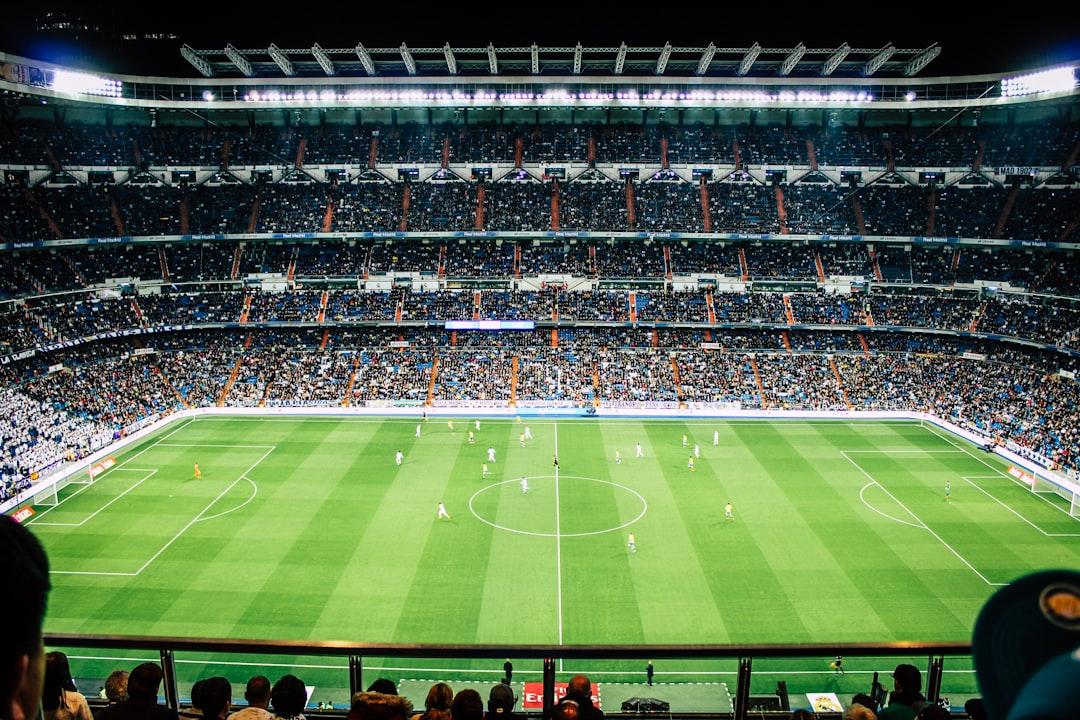
Key Takeaways
The beautiful game is no stranger to administrative friction, but as the countdown to the expanded FIFA World Cup intensifies, the logistical cracks are beginning to show. The latest flashpoint involves a highly anticipated Round of 16 clash between England and Mexico—a fixture that briefly descended into scheduling chaos before soccer’s governing body staged a dramatic U-turn.
The controversy erupted when reports surfaced that FIFA was actively planning to push the kick-off time forward by a massive six hours. The proposed shift, aimed at optimizing European television broadcast slots, was met with fierce resistance, most notably from high-profile pundit and former England defender Gary Neville. Though FIFA ultimately backtracked on the decision, the incident has exposed the deep-seated tensions between commercial broadcasting demands, player welfare, and fan logistics.
At the heart of the controversy lies the eternal tug-of-war between television revenue and the physical realities of elite sport. Moving an international knockout match forward by six hours is not a minor tweak; it is a fundamental disruption.
For players, a six-hour shift completely alters preparation cycles, sleep patterns, and nutritional strategies. More critically, in the context of a North American summer, shifting a kick-off from a cooler evening slot to the peak heat of the afternoon poses genuine risks to player safety.
- Physical Demands: Players are already pushed to the limit at the end of a grueling domestic season. Playing in midday heat increases the risk of dehydration and soft-tissue injuries.
- Tactical Impact: High-intensity pressing styles, characteristic of modern tactical setups, are nearly impossible to sustain in extreme afternoon temperatures.
- Broadcasting Pressures: European broadcasters heavily lobby for kick-off times that align with prime-time viewing in London, Paris, and Berlin, often at the expense of local stadium atmospheres and player comfort.
Gary Neville, never one to mince words, launched a scathing attack on FIFA, labeling the scheduling confusion "shambolic" and "disrespectful." Neville’s critique resonated deeply with match-going fans who are increasingly treated as secondary stakeholders in the modern game.
Neville argued that treating a World Cup knockout match like a flexible television asset undermines the credibility of the tournament. "You cannot run elite sport like a late-night talk show where you shuffle the guests around to suit the ratings," Neville remarked. His comments highlighted the immense frustration of supporters who had already booked travel, accommodation, and match tickets based on the initial schedule, only to find themselves facing logistical nightmares.
The England vs. Mexico scheduling scare serves as a warning shot for the upcoming FIFA World Cup 2026. Set to be hosted across three vast nations—the United States, Canada, and Mexico—the tournament presents unprecedented geographical and logistical challenges.
- Time Zone Chaos: With host cities spanning four different time zones (Pacific, Mountain, Central, and Eastern), coordinating kick-off times that satisfy local fans, traveling supporters, and global broadcasters is an incredibly complex puzzle.
- Travel Fatigue: Teams and fans will already be subjected to cross-continental flights. Sudden schedule changes compound the physical toll of travel.
- Stadium Operations: Modern stadiums require thousands of staff, security personnel, and local transit coordination. Shifting a kickoff by six hours at short notice can throw municipal infrastructure into disarray.
FIFA’s decision to abandon the proposed time change is a rare victory for public pressure. The governing body faced a coordinated wave of pushback from national associations, fan groups, and influential media figures.
The potential brand damage of hosting a marquee knockout match in empty stadiums—due to fans being unable to adjust their travel plans—likely played a major role in the U-turn. Furthermore, both the English FA and the Mexican Football Federation reportedly expressed serious reservations about the sporting implications of the sudden shift.
As football continues its rapid commercialization, this incident must serve as a turning point. FIFA must establish rigid, transparent scheduling protocols that prioritize sporting integrity and fan experience over marginal gains in television viewership.
If the governing body wishes to deliver a successful, expanded 48-team tournament in 2026, it must learn to balance the books without compromising the very product on the pitch. For now, England and Mexico fans can breathe a sigh of relief, but the underlying systemic issues remain unresolved.
Enjoying this article?
Get the daily AI briefing sent straight to your inbox.
Frequently Asked Questions
Why did FIFA want to change the England vs Mexico kick-off time?
FIFA proposed moving the kick-off time forward by six hours primarily to accommodate European television broadcasters, ensuring prime-time viewing slots in major markets like the UK.
What was Gary Neville's reaction to the scheduling confusion?
Gary Neville heavily criticized FIFA, calling the scheduling confusion 'shambolic' and accusing the governing body of treating elite sporting events like flexible television assets at the expense of fans and players.
What does this mean for the FIFA World Cup 2026?
This controversy highlights the massive scheduling challenges facing the 2026 tournament, which spans three countries and multiple time zones, illustrating the tension between local stadium logistics and global broadcast demands.
Comments
0Please sign in to leave a comment.
Related articles
Vozinha’s Historic World Cup Run: A Masterclass in Goalkeeping Resilience
Cape Verdean legend Vozinha has etched his name into football history, delivering a historic 18-save performance that defines the 2026 World Cup narrative.
World Cup Logistics Breakdown: Coach Outrage as Scheduling Chaos Hits Round of 16
Tensions are boiling over at the World Cup as a major scheduling blunder sparks a public outcry from coaches just days before the crucial Round of 16.
USMNT Boss Mauricio Pochettino Makes His Mark at T-Mobile Park
New USMNT manager Mauricio Pochettino brought his signature intensity to the baseball diamond, delivering a solid first pitch before a Seattle crowd.