- FIFA selected MetLife Stadium (NY/NJ) for the 2026 World Cup final, beating out heavy favorites AT&T Stadium (Dallas) and SoFi Stadium (Los Angeles).
- The decision prioritizes global broadcast time zones and the unmatched international brand power of New York City over more modern, roofed stadium designs.
- MetLife faces significant logistical challenges, including installing a natural grass pitch over turf and upgrading transport links to handle peak global crowds.
- The economic impact for the New York-New Jersey region is projected to exceed $2 billion, cementing the area's status as a premier global sports hub.
The Battle for the Crown: Why MetLife Stadium is FIFA’s Pragmatic, if Polarizing, World Cup 2026 Final Host
Choosing East Coast heritage over futuristic domes, FIFA bets on global connectivity and the allure of New York City.
Jul 18, 2026·0 views
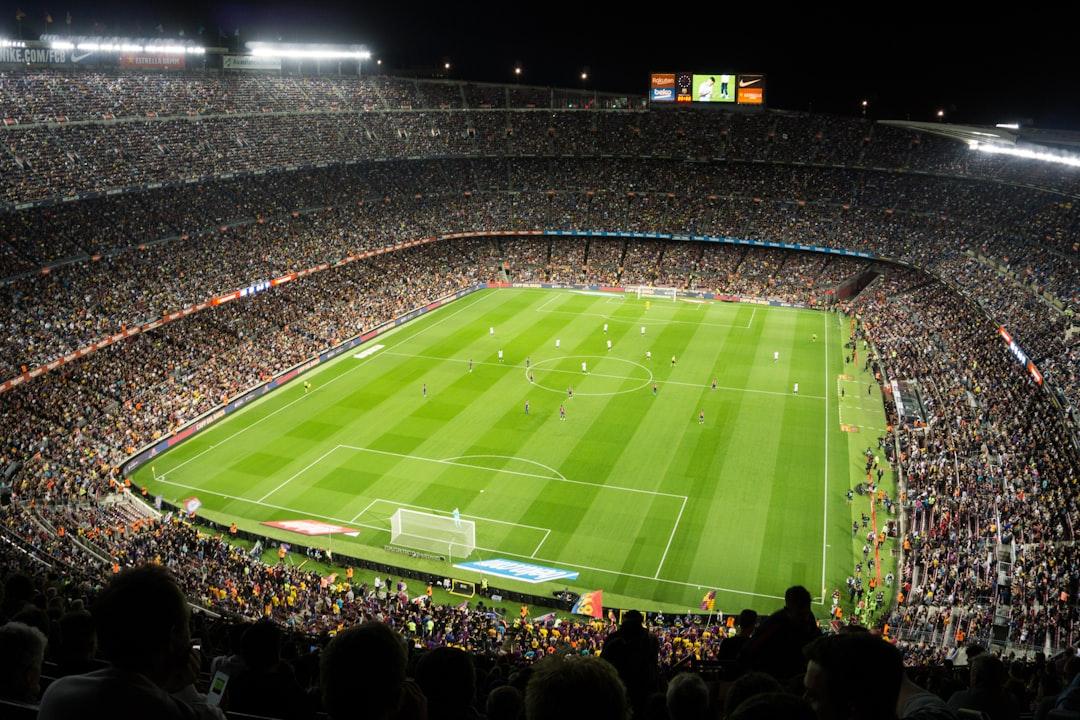
Key Takeaways
The announcement that MetLife Stadium in East Rutherford, New Jersey, will host the FIFA World Cup 2026 final on July 19, 2026, sent shockwaves through the global sports community. For months, speculation favored the futuristic, climate-controlled AT&T Stadium in Dallas or the glitz of Los Angeles’s SoFi Stadium. Instead, world football’s governing body chose a venue often criticized as a utilitarian "concrete bowl."
This decision is more than a simple venue selection; it is a calculated geopolitical and commercial maneuver. As North America prepares to host the most expansive World Cup in history—featuring 48 teams and 104 matches—the choice of the final venue highlights the delicate balance between architectural novelty and global logistical pragmatism.
To understand why MetLife Stadium won the crown, one must examine why its formidable rivals lost. The race was widely considered a three-way battle:
- AT&T Stadium (Dallas): Known affectionately as "Jerry World," this venue offered a retractable roof, shielding players and fans from the oppressive Texas summer heat. However, Dallas lacked the global "it" factor and transit infrastructure of its coastal rivals, despite offering a massive, high-tech indoor environment.
- SoFi Stadium (Los Angeles): The most expensive stadium ever built, SoFi epitomizes modern luxury. Yet, its narrow pitch dimensions—designed primarily for American football—would have required removing seats and major structural modifications to meet FIFA’s strict field-width requirements. Additionally, the West Coast time zone is notoriously unfriendly to European, African, and Middle Eastern broadcast markets.
Ultimately, New York/New Jersey presented a compromise that mitigated these weaknesses, offering unmatched global prestige and a highly favorable time zone for international broadcasters.
In the multi-billion-dollar business of sports broadcasting, time zones are destiny. A final kickoff in Los Angeles at 2:00 PM local time translates to 10:00 PM in London and 11:00 PM in Western Europe. Any later, and broadcasters lose prime-time audiences in their most lucrative markets.
By hosting the final on the East Coast, FIFA secures a perfect broadcast window:
- European Prime Time: A late afternoon kickoff in New Jersey aligns perfectly with Sunday evening prime-time television across Europe and Africa.
- Global Reach: The East Coast serves as a natural bridge between the Eastern and Western hemispheres, maximizing live viewership and advertising revenue.
For FIFA, which projects billions in broadcast rights revenue for the 2026 cycle, the financial logic of the East Coast was simply too powerful to ignore.
Critics of MetLife Stadium point to its lack of architectural flair. Opened in 2010 to replace the historic Giants Stadium, the venue has been described as sterile, lacking the iconic silhouettes of European or South American cathedrals of football. Furthermore, it sits in the Meadowlands swamp, far from the iconic skyline of Manhattan.
However, MetLife’s advantages lie in its sheer capacity and operational experience. It can host over 82,500 spectators, and the New York metropolitan area boasts the hotel capacity, international airport hubs, and security infrastructure required to host a global event of this magnitude.
Yet, major challenges remain. FIFA mandates that all World Cup matches be played on natural grass. MetLife, which currently uses synthetic turf—a surface frequently criticized by NFL players for causing injuries—must install a state-of-the-art temporary grass system. This transition requires sophisticated engineering to ensure the pitch remains durable and high-performing throughout the tournament.
Transportation is another critical concern. The Meadowlands transit loop has historically struggled with bottlenecking during major events, most notably during Super Bowl XLVIII in 2014. Local organizers are already working on comprehensive transit upgrades, including enhanced rail shuttle services and dedicated bus corridors, to ensure a seamless experience for hundreds of thousands of international visitors.
Hosting the World Cup final is a major economic coup for the New York-New Jersey region. Local authorities project an economic impact exceeding $2 billion, with tens of thousands of jobs created in tourism, hospitality, and event management.
Beyond the numbers, the choice cements New York's status as the cultural capital of the world. While Dallas and Los Angeles represent the cutting edge of American sports infrastructure, New York represents the global melting pot. In a tournament designed to celebrate diversity and international unity, there is no more fitting stage than the shadow of the Statue of Liberty.
Enjoying this article?
Get the daily AI briefing sent straight to your inbox.
Frequently Asked Questions
Why did FIFA choose MetLife Stadium over AT&T Stadium?
While AT&T Stadium offered a retractable roof and state-of-the-art facilities, MetLife Stadium won due to its favorable timezone for European and African broadcasters, its proximity to New York City, and its experience hosting major international events.
Will MetLife Stadium use real grass for the World Cup?
Yes, FIFA mandates natural grass for all tournament matches. MetLife Stadium, which currently uses synthetic turf, will install a temporary natural grass system engineered specifically for the tournament.
What is the date of the FIFA World Cup 2026 Final?
The final is scheduled to take place on July 19, 2026, at MetLife Stadium in East Rutherford, New Jersey.
Comments
0Please sign in to leave a comment.
Related articles
Roma Reportedly Eyes Franck Kessié in Strategic Transfer Maneuver Against Juventus
AS Roma is reportedly targeting Franck Kessié as a free agent, a move interpreted as strategic retaliation against Juventus and Frederic Massara, given their history of contentious transfer dealings.
AS Roma Solidifies Core: Mancini and Cristante Renew Contracts
AS Roma has officially announced contract extensions for key defensive midfielder Bryan Cristante and stalwart defender Gianluca Mancini, reaffirming their commitment to a stable and experienced core. These renewals underscore the club's strategic vision for continuity and competitiveness in Serie A and European competitions.
Wales Midfielder Charlie Estcourt Signs with Fulham Women
Charlie Estcourt, a dynamic midfielder for the Wales national team, has officially signed with Fulham Women. The move signals a significant addition to the English third-tier club as they prepare for the 2026-27 campaign.