- Thomas Tuchel faces his most significant challenge as England manager against Mexico in the high-altitude Estadio Azteca.
- Logistical tensions have peaked following FIFA's refusal to reschedule the match despite severe storm and flooding warnings in Mexico City.
- Tactically, England must transition from their 'frantic' group-stage form to a more composed, possession-based approach to survive the Mexican press and atmospheric pressure.
- The match serves as a pivotal moment for the 2026 World Cup's reputation, balancing player safety and environmental factors against broadcasting demands.
The Azteca Cauldron: Thomas Tuchel’s England Faces a Defining Storm in Mexico City
Beyond the tactical board, the Three Lions must navigate logistical chaos and a host nation’s fervor in a World Cup knockout clash for the ages.
Jul 5, 2026·0 views
Key Takeaways
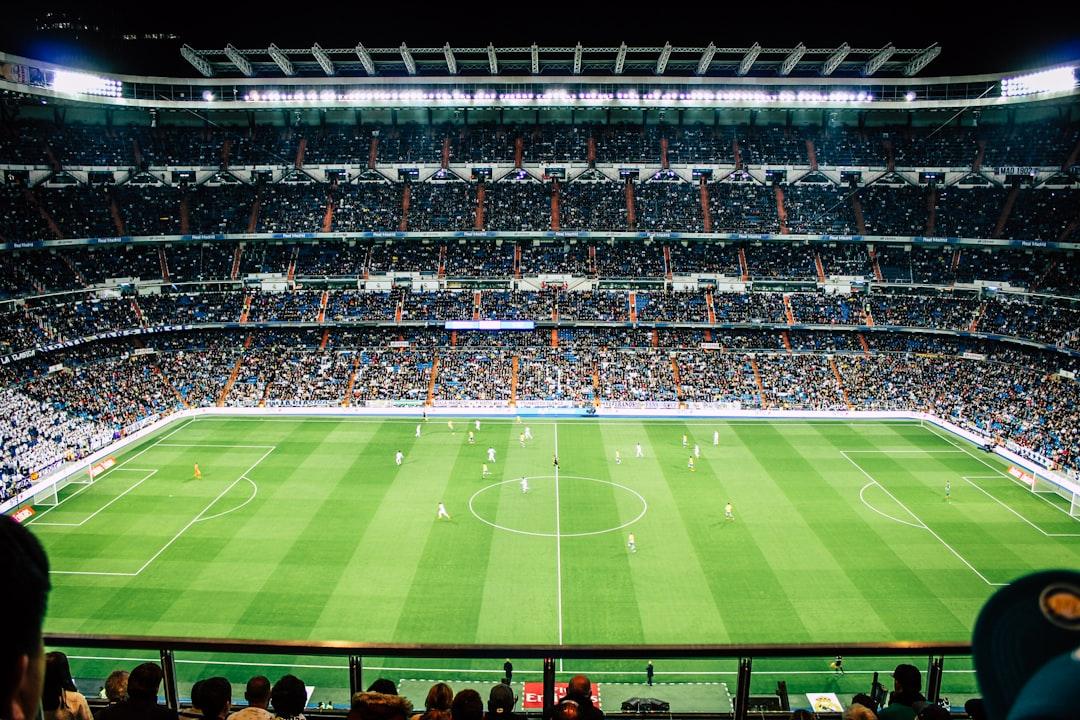
The 2026 FIFA World Cup has already delivered its share of spectacles, but the impending Round of 16 clash between England and Mexico at the Estadio Azteca is transcending the boundaries of a mere football match. It has become a geopolitical and meteorological event. For Thomas Tuchel, the man tasked with finally bringing football 'home,' the challenge is no longer just about 4-3-3 or 3-4-2-1 formations; it is about psychological warfare in one of the most intimidating sporting cathedrals on the planet.
The lead-up to Sunday’s encounter has been defined by a sense of impending 'bedlam.' Mexico City is currently gripped by a dual fever: the euphoria of El Tri’s progression after defeating Ecuador and a literal storm forecast that threatens to turn the Azteca pitch into a swamp. With reports of potential flooding and FIFA’s refusal to move the 6:00 PM local kickoff to an earlier slot, the stage is set for a night of high-octane chaos that will test the very fabric of England’s tactical resolve.
To understand the anxiety surrounding the England camp, one must look back at their frantic display against DR Congo. While the Three Lions progressed, the performance was uncharacteristically disjointed. Under the previous regime, England often prioritized defensive stability to a fault; under Tuchel, there is a visible attempt to play with more verticality and aggression. However, that transition has left gaps that a high-pressing Mexican side will be eager to exploit.
Tuchel’s primary objective this week has been the restoration of calm. The German tactician is known for his meticulous preparation—often referred to as 'Professor Tuchel' in his native land—but even his spreadsheets might struggle to account for the sheer visceral energy of 87,000 Mexican fans at 2,200 meters above sea level. The 'whirlwind' isn't just a metaphor for Mexico’s playing style; it is the atmosphere itself.
For England to survive the Azteca, they must master the art of game management. Historically, English teams have struggled with the 'slow-slow-quick' tempo required at high altitudes. Mexico, conversely, thrives on it. They utilize the thin air to launch devastating counter-attacks, banking on the visiting team’s fatigue in the final thirty minutes.
- Midfield Control: Declan Rice and Jude Bellingham will be the pivots. Their ability to retain possession under duress will be the difference between control and collapse.
- The High Line Risk: Tuchel’s preference for a high defensive line is a gamble in Mexico City. If the Three Lions lose the ball in transition, the recovery runs will be twice as taxing in the altitude.
- Set-Piece Sovereignty: In a game likely to be disrupted by weather and local hostility, England’s prowess in dead-ball situations remains their greatest equalizer.
The drama surrounding the kickoff time serves as a fascinating case study in the power dynamics of modern football. Mexican authorities, concerned about the 'storm of the century' hitting the capital in the evening, lobbied FIFA intensely for a midday start. FIFA, ever mindful of global broadcasting rights and the lucrative European primetime window, stood firm.
This decision has significant implications. A 6:00 PM kickoff means the humidity will be higher, and the pitch—already subject to heavy rain—will likely be slick and unpredictable. For a technical side like England, which relies on crisp passing, these conditions are a nightmare. For a Mexican side built on grit and opportunistic pressing, the 'chaos' is an ally.
This is the moment Thomas Tuchel was hired for. The FA moved away from the 'safe' English option to secure a proven winner of the UEFA Champions League—a manager who understands how to navigate the treacherous waters of knockout football. If England falls here, the narrative will inevitably shift toward the 'foreign manager' debate and the perceived fragility of the squad.
However, a victory in the Azteca 'cauldron' would be more than just a ticket to the quarter-finals. It would be a statement of intent. It would prove that this England side has the mental fortitude to withstand not just a talented opponent, but an entire nation’s collective will and the elements themselves.
As the first 48-team World Cup progresses, the England-Mexico matchup highlights the logistical complexities of a tournament spread across a continent. The travel, the varied climates, and the intense local pressures of host nations in North America are creating a unique set of challenges that differ significantly from the compact nature of Qatar 2022.
For sponsors and broadcasters, the 'Azteca Storm' is a double-edged sword. While the drama drives viewership through the roof, the risk of a weather-related abandonment or a subpar playing surface threatens the 'premium' product FIFA strives to maintain. Regardless of the scoreline on Sunday, the lessons learned in Mexico City will shape how future tournaments are scheduled and managed in the face of increasingly volatile global weather patterns.
England stands at a crossroads. To their left is the familiar path of 'what ifs' and heroic failure. To their right, guided by Tuchel’s analytical mind, is a chance to silence one of the loudest stadiums in the world and march toward history. The whirlwind is coming; the only question is whether the Three Lions have the anchors to hold firm.
Enjoying this article?
Get the daily AI briefing sent straight to your inbox.
Frequently Asked Questions
Why was there a dispute over the England vs Mexico kickoff time?
Mexican authorities requested a midday kickoff due to forecasts of a severe storm and potential flooding in Mexico City. However, FIFA maintained the 6:00 PM local time slot to accommodate global broadcasting schedules.
How does the Estadio Azteca affect the players?
The stadium is located at over 2,200 meters above sea level. The thin air makes cardiovascular recovery more difficult for visiting teams and causes the ball to travel faster, favoring teams used to the conditions like Mexico.
What is Thomas Tuchel's strategy for the Round of 16?
Tuchel is focusing on tactical composure and 'restoring calm' after a disorganized performance against DR Congo. He aims to use England's technical superiority to control the tempo and negate Mexico's high-intensity home advantage.
Comments
0Please sign in to leave a comment.
Related articles
Noni Madueke Praises Arsenal’s 'Champions' Mentality After Nottingham Forest Win
Noni Madueke has publicly lauded Arsenal’s recent performance against Nottingham Forest, noting a distinct 'champions' spirit within Mikel Arteta’s squad.
Alessio Tacchinardi Slams Juventus and Spalletti Amid Stagnation Concerns
Former midfielder Alessio Tacchinardi has delivered a scathing critique of Juventus and Luciano Spalletti, arguing that neither the club nor the national team shows signs of progress.
PSG Stunned: Nuno Mendes Injury Rules Star Out of Barcelona Showdown
Paris Saint-Germain faces a defensive crisis as star Nuno Mendes is ruled out for several weeks due to a muscle injury, missing the crucial Barcelona clash.