In mid-May 2026, as tech giants gathered in Palo Alto for Google's annual I/O conference, a parallel—and perhaps more culturally significant—shift was happening across the Atlantic. In London, Anthropic kicked off its two-day "Code with Claude" developer event. While Anthropic representatives insisted the timing was a coincidence rather than a direct competitive flex, the energy in the room told a different story.
The central question posed to the audience of software engineers was telling: "Who here has shipped a pull request in the last week that was completely written by AI?"
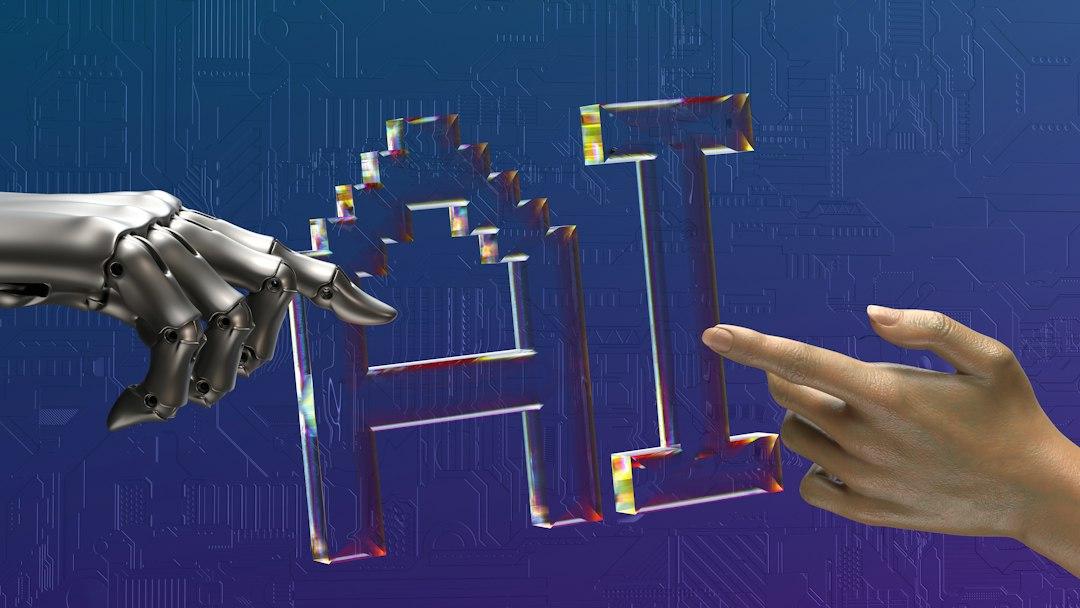
A surprising number of hands went up. This simple interaction highlights a profound shift in how software is created. We have officially transitioned from the era of AI as a simple autocomplete tool to an era of autonomous software generation. Whether developers are ready for it or not, the nature of coding has changed forever.
For the past few years, tools like GitHub Copilot acted as digital assistants, suggesting the next line of code or filling in repetitive boilerplate. Today, however, models like Anthropic's Claude are capable of understanding entire codebases, architectural patterns, and systemic dependencies.
Instead of writing code line-by-line, modern developers are increasingly acting as system architects and code reviewers. They describe a feature, outline the constraints, and let Claude generate the entire pull request (PR). The developer’s role is shifting from writing code to editing and validating it.
This shift has unlocked unprecedented productivity. Startups are building complex applications with a fraction of the engineering staff previously required. Lone developers are launching full-scale platforms in weekends. But this rapid acceleration comes with a complex set of anxieties.
The atmosphere at "Code with Claude" was a microcosm of the broader software engineering community: a mix of intense enthusiasm and underlying dread.
On one hand, the productivity gains are undeniable. By offloading routine coding tasks to Claude, senior engineers can focus on high-level system design, security protocols, and user experience. The barrier to entry for building software has never been lower, democratizing innovation for creators who may not have formal computer science degrees.
On the other hand, a quiet anxiety looms over the industry. If an AI can write a flawless pull request in seconds, what happens to junior developers? Traditionally, junior engineers learned the trade by writing the very boilerplate and basic features that AI now automates. Without these entry-level tasks, the path to becoming a senior engineer becomes highly uncertain.
Furthermore, there are growing concerns about technical debt. When code is generated autonomously, there is a risk that developers will merge PRs they do not fully understand. If a bug or security vulnerability is buried deep within thousands of lines of AI-generated code, diagnosing and fixing it could prove far more difficult than if it had been written by human hands.
Anthropic’s event wasn't just a celebration of current capabilities; it was a roadmap for what comes next. The company is actively steering Claude toward "agentic" workflows.
Rather than waiting for human prompts for every single action, future iterations of Claude are designed to operate as autonomous agents. These agents will be capable of monitoring error logs, identifying bugs, writing the necessary patches, testing them in isolated environments, and submitting the PRs for human approval—all without direct human intervention.
This level of automation promises to redefine DevOps and system maintenance. However, it also demands a new paradigm of trust and oversight. As AI agents become more autonomous, the tools we use to monitor, audit, and secure AI-written code must evolve at an equal pace.
The takeaway from "Code with Claude" is clear: the traditional definition of a software engineer is obsolete. The future belongs to those who can effectively collaborate with AI, leveraging its speed while maintaining rigorous standards of quality and security.
Educational institutions and bootcamps will need to overhaul their curricula. Instead of focusing solely on syntax and algorithms, they must teach system design, prompt engineering, code auditing, and AI collaboration.
Ultimately, AI is not replacing the need for human ingenuity; it is elevating it. The developers who thrive in this new era will not be those who fight the tide, but those who learn to steer it. The future of coding is here—and it is written by Claude.