The intersection of artificial intelligence and financial compliance is undergoing a radical transformation. While early iterations of AI in finance focused on basic data entry and pattern recognition, a new frontier has emerged: self-improving tax agents. By leveraging OpenAI Codex, a model specifically designed for code generation, industry leaders like Thrive and Crete are moving beyond static software toward dynamic, agentic systems that can reason, write code, and correct their own errors in real-time. This shift represents a fundamental change in how we approach the $12 trillion global tax and compliance industry.
For decades, tax software has relied on hard-coded logic. Every time a tax law changed, developers had to manually update thousands of lines of code to reflect new brackets, deductions, and jurisdictional nuances. This process is not only slow but prone to human error. The introduction of self-improving tax agents powered by OpenAI Codex changes this paradigm by treating tax law as a translation problem—translating legal prose into executable, verifiable code.
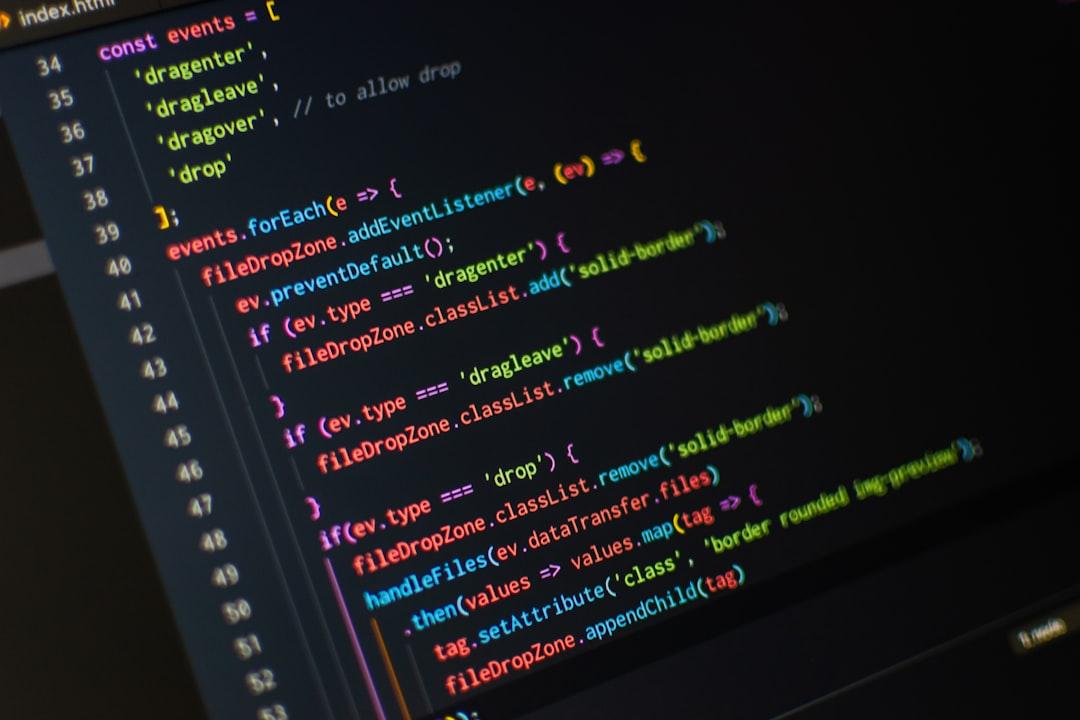
OpenAI Codex, the descendant of GPT-3 optimized for programming tasks, serves as the engine for this transition. Unlike a standard chatbot, an agentic system built on Codex doesn't just provide an answer; it builds the infrastructure to reach that answer. When presented with a complex tax filing requirement, the agent generates a script to process the data, runs that script against a set of validation rules, and—crucially—iterates if it encounters an error or a logical inconsistency.
The collaboration between OpenAI, Thrive, and Crete highlights a sophisticated three-tier architecture that defines the next generation of AI tax automation:
- Logical Translation: The system ingests vast quantities of tax code and regulatory documentation. Using Codex, it translates these natural language requirements into Python or SQL scripts.
- Autonomous Execution: The agent executes the generated code against the user’s financial data. This isn't a "black box" prediction; it is a transparent programmatic execution that can be audited by human professionals.
- The Self-Correction Loop: This is the "self-improving" element. If the code fails a validation check (e.g., a mathematical impossibility or a conflict with a known tax rule), the agent analyzes the error log, identifies the flaw in its logic, rewrites the code, and attempts the filing again.
This loop significantly reduces the "hallucination" risks typically associated with Large Language Models (LLMs). Because the output is code—which is either syntactically correct or it isn't—the system has a built-in mechanism for truth-seeking that natural language alone lacks.
The rise of autonomous financial agents does not necessarily signal the end of the human accountant, but it does signal the end of the manual data-entry clerk. As these systems take over the heavy lifting of filing and compliance, the role of the Certified Public Accountant (CPA) is shifting toward high-level advisory and system oversight.
- Efficiency at Scale: Firms using agentic AI can handle a significantly higher volume of filings with fewer errors. This is particularly vital for multi-jurisdictional corporations that must navigate conflicting international tax laws.
- Real-Time Compliance: Traditional tax preparation is reactive, occurring months after the fiscal year ends. Self-improving agents can operate in real-time, flagging potential tax liabilities or optimization opportunities as transactions occur.
- Reduced Cost of Accuracy: By automating the validation process, companies can achieve a level of accuracy that previously required expensive manual audits.
Despite the promise of agentic AI in finance, several hurdles remain. The most significant is the "liability gap." If a self-improving agent makes an error that results in a significant fine, who is responsible? The software provider, the AI developer, or the end-user?
Furthermore, the "black box" nature of neural networks remains a point of contention for regulators. While Codex-generated code is readable, the reasoning behind why the model chose one code structure over another can be opaque. To address this, Crete and Thrive are focusing on "explainable AI" frameworks, where the agent provides a natural language justification for every line of code it generates, effectively creating a digital audit trail.
The work being done with OpenAI Codex is a precursor to a broader movement in Agentic AI. We are moving toward a world where every complex administrative task—from legal discovery to medical billing—is handled by specialized agents that learn from their environment.
In the context of tax, the next step is integration with government APIs. Imagine a system that not only prepares and validates your taxes but also communicates directly with the IRS or HMRC to resolve discrepancies autonomously. This level of integration would transform tax season from a period of national stress into a background process that runs silently and efficiently in the cloud.
As OpenAI continues to refine models like GPT-4o and its specialized coding iterations, the barrier to entry for building these agents will continue to drop. The success of the Thrive and Crete implementation serves as a blueprint for the future: a future where software doesn't just follow instructions, but learns how to solve problems on its own.