- Argentina's dramatic late-game comeback secured their spot in the World Cup final, sparking a wave of emotional coverage across national and global media.
- The cultural concept of 'locura' (madness) is central to Argentine football identity, serving as both a psychological motivator on the pitch and a powerful narrative tool for journalists.
- Tactical flexibility, high-pressure transitions, and late-game substitutions proved decisive in overcoming their opponent's defensive block.
- The digital media landscape thrives on high-stakes tournament drama, driving record engagement metrics and shaping the global perception of the tournament.
The Anatomy of Argentine 'Locura': How Media Narratives and Tactical Grit Fueled a Historic World Cup Comeback
Beyond the chaos on the pitch, Argentina's dramatic journey to the final reveals a masterclass in psychological resilience, tactical adaptation, and modern sports media dynamics.
Jul 16, 2026·0 views
Key Takeaways
There is a unique brand of theater reserved exclusively for Argentine football. It is a spectacle defined not merely by athletic excellence, but by an almost spiritual relationship with adversity. When Argentina secured their place in the World Cup final through a dramatic, late-stage comeback, the collective output of the nation's sports media did not just report on a football match—they chronicled an emotional exorcism. Relishing what they widely termed 'locura' (madness), outlets from Buenos Aires to Patagonia captured the essence of a sporting culture that thrives on the absolute brink of disaster.
To understand this victory is to look beyond the scoreboard. It requires a deep dive into the tactical adjustments that engineered the turnaround, the psychological framework of a team comfortable with chaos, and the global media ecosystem that amplifies these narrative arcs to millions of fans worldwide. As the dust settles on a historic night, the implications of this match offer a profound case study in modern tournament football.
In the immediate aftermath of the final whistle, Argentine media outlets bypassed traditional analytical restraint, opting instead to celebrate the sheer emotional volatility of the match. For publications like Olé and La Nación, the narrative of the 'suffering hero' is a foundational pillar of Argentine sporting identity. This is not a bug of their footballing philosophy; it is a feature.
- The Cult of Adversity: Argentine football culture historically views victory as illegitimate unless it is baptized in struggle. Media coverage reflected this, framing the late-game comeback as a testament to national character rather than mere tactical fortune.
- The Language of Passion: Terms like mística (mystique), garra (grit), and locura dominated the headlines. This linguistic framing serves to romanticize the tactical chaos, transforming a stressful defensive display into a heroic stand.
- The Global Resonance: By leaning heavily into the emotional narrative, Argentine media successfully exported their national passion, driving unprecedented engagement metrics across global digital platforms.
This media strategy highlights a broader trend in sports journalism: the monetization of high-stakes emotion. In an era dominated by rapid-fire social media updates, the outlets that capture the raw, human element of sporting triumphs consistently outperform those offering dry, purely statistical breakdowns.
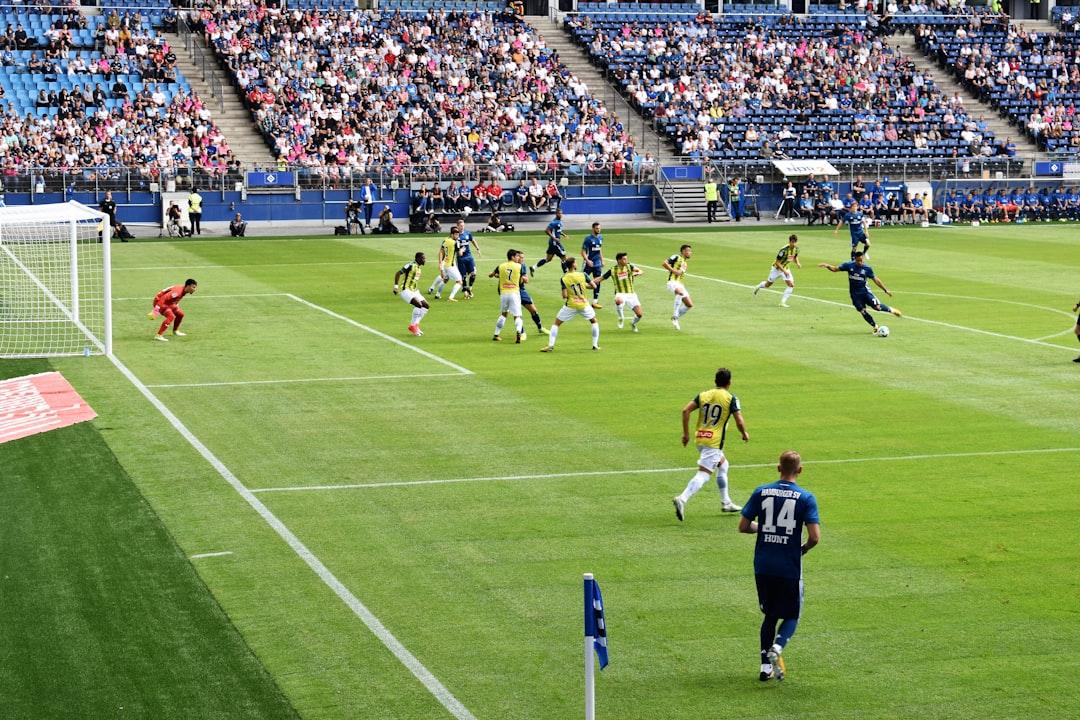
While the media celebrated the emotional narrative, the comeback was ultimately secured through calculated tactical interventions on the pitch. Facing a disciplined opponent that had successfully neutralized Argentina's primary creative outlets, the coaching staff was forced to abandon their initial game plan and embrace a high-risk, high-reward strategy.
In the first half, Argentina struggled against a compact defensive block. The opposition successfully closed the half-spaces, isolating Argentina's talismanic playmakers. The turnaround began when the coaching staff instructed the full-backs to push aggressively high and wide, effectively stretching the opponent's defensive line and creating passing lanes through the center.
As fatigue set in during the final twenty minutes, Argentina transitioned to a relentless counter-press. By committing more bodies to the final third, they forced turnovers in high-value areas. This tactical shift directly led to the equalizing goal, capitalizing on a defensive lapse born of sustained physical and mental pressure.
The introduction of dynamic, vertical runners off the bench injected much-needed energy into a tiring side. These substitutions allowed Argentina to transition from a possession-oriented style to a direct, vertical attack, catching their opponents off guard and sealing the decisive winning goal in the dying minutes of the match.
From an industry perspective, matches of this caliber are massive engines for the digital sports economy. The dramatic nature of a late comeback creates a perfect storm for search engine optimization (SEO) and social media virality.
During the match and its immediate aftermath, search queries related to Argentine football, individual player statistics, and tactical breakdowns spiked globally. For digital publishers, capturing this traffic requires a sophisticated understanding of search intent. Audiences are not just looking for the final score; they are seeking post-match analysis, tactical diagrams, and emotional fan reactions that validate their own viewing experience.
Furthermore, the integration of real-time data and AI-driven content generation has changed how sports news is consumed. While automated systems can quickly generate match summaries, the deep-dive editorial—the exploration of 'locura'—remains the exclusive domain of human journalists who understand the cultural nuances of the sport. This blend of high-tech distribution and high-touch storytelling represents the future of sports media.
As Argentina prepares for the World Cup final, the double-edged sword of their dramatic journey becomes the central talking point. While surviving a high-stress comeback builds immense psychological resilience, the physical toll of playing high-intensity, emotionally draining football cannot be ignored.
History shows that teams that expend excessive emotional energy in the semi-finals can struggle to replicate that intensity in the final. The coaching staff must now focus on physical recovery and mental resetting. If they can channel the momentum of this 'madness' while tightening their defensive structure, Argentina will enter the final not just as contenders, but as a battle-tested collective capable of overcoming any obstacle. The stage is set for a historic climax, and the global media will be watching every move.
Enjoying this article?
Get the daily AI briefing sent straight to your inbox.
Frequently Asked Questions
How did Argentine media react to the comeback victory?
Argentine media outlets embraced the 'madness' (locura) of the match, celebrating the team's emotional resilience, dramatic late-game execution, and the deep cultural connection between the squad and the nation.
What tactical adjustments led to Argentina's late-game turnaround?
The comeback was driven by aggressive high-pressing transitions, tactical flexibility in midfield, and high-impact substitutions that disrupted the opposition's defensive shape in the final third.
How does dramatic tournament football impact digital media engagement?
High-stakes comebacks generate massive spikes in real-time social media traffic, search volume, and digital sports journalism readership, making dramatic narratives highly valuable for global sports publishers.
Comments
0Please sign in to leave a comment.
Related articles
Manchester United Plot Audacious Hijack of Liverpool’s £102m Target
Manchester United are reportedly monitoring the stalemate between Liverpool and RB Leipzig regarding the transfer of star defender Yan Diomande.
The Brazilian Série A Resurgence: Analyzing the Strategic Return of the Brasileirão
With the Copa América taking a brief hiatus, the focus shifts back to the intense competition of the Brazilian Série A. We examine the critical matchups of Botafogo, Santos, and Vasco da Gama, alongside the digital revolution in sports broadcasting.
Jude Bellingham Sparks Post-Match Melee After England's World Cup Exit
England's World Cup dreams ended in heartbreak and a post-match scuffle, with Jude Bellingham at the center of a heated confrontation with Argentina's Valentin Barco.