- The 2026 FIFA World Cup set a new record of 14 own goals, eclipsing the previous record of 12 set during the 2018 tournament in Russia.
- Egypt's Mohamed Hany and Cape Verde's Diney Borges scored the historic deflections that pushed the tally to its record-breaking peak.
- Tactical shifts, including high-velocity low crosses, aggressive cutbacks, and high-pressing systems, are primary drivers behind the spike in defensive errors.
- The tournament's expanded 48-team format and resulting physical fatigue have exacerbated lapses in concentration and positioning for defenders.
The Anatomy of an Anomaly: Why the 2026 World Cup Shattered the Own-Goal Record
With 14 own goals surpassing the 2018 record, a mix of tactical evolution, expanded formats, and relentless attacking pressure is redefining defensive vulnerability.
Jul 4, 2026·0 views
Key Takeaways
The FIFA World Cup has always been a stage where history is written in moments of individual brilliance, tactical masterclasses, and occasionally, heartbreaking misfortune. However, the 2026 edition of global football's showpiece event has carved out a unique and somewhat agonizing legacy. With the tournament reaching its business end, a historic and bizarre statistical milestone has been shattered: the record for the most own goals scored in a single World Cup tournament.
Following crucial matches on Friday, own goals from Egypt's Mohamed Hany and Cape Verde's Diney Borges officially pushed the tournament's own-goal tally to 14. This surpasses the previous record of 12, which was set during the highly volatile 2018 World Cup in Russia. What was once considered a rare, catastrophic anomaly has now become a recurring tactical theme of the modern game.
To dismiss this record-breaking tally as mere bad luck is to ignore the profound tactical, physical, and structural evolutions that have reshaped elite football over the last decade.
In modern football analytics, own goals are increasingly viewed not as unforced blunders, but as "forced errors" engineered by sophisticated attacking systems. The contemporary meta of elite coaching heavily prioritizes low, hard, whipping crosses and rapid cutbacks from the half-spaces—zones pioneered by tactical minds like Pep Guardiola and Jürgen Klopp.
When attacking wingers or overlapping full-backs penetrate deep into the penalty area, they no longer look for traditional aerial crosses. Instead, they fire high-velocity passes across the face of the six-yard box. For a defender running back toward their own goal at full sprint, this scenario presents an impossible mathematical equation.
- The Defender's Dilemma: If they attempt to clear the ball, any slight miscalculation in body shape or foot contact will redirect the ball into their own net.
- The Attacker's Anticipation: If they leave the ball, an attacking forward waiting at the back post is almost guaranteed an easy tap-in.
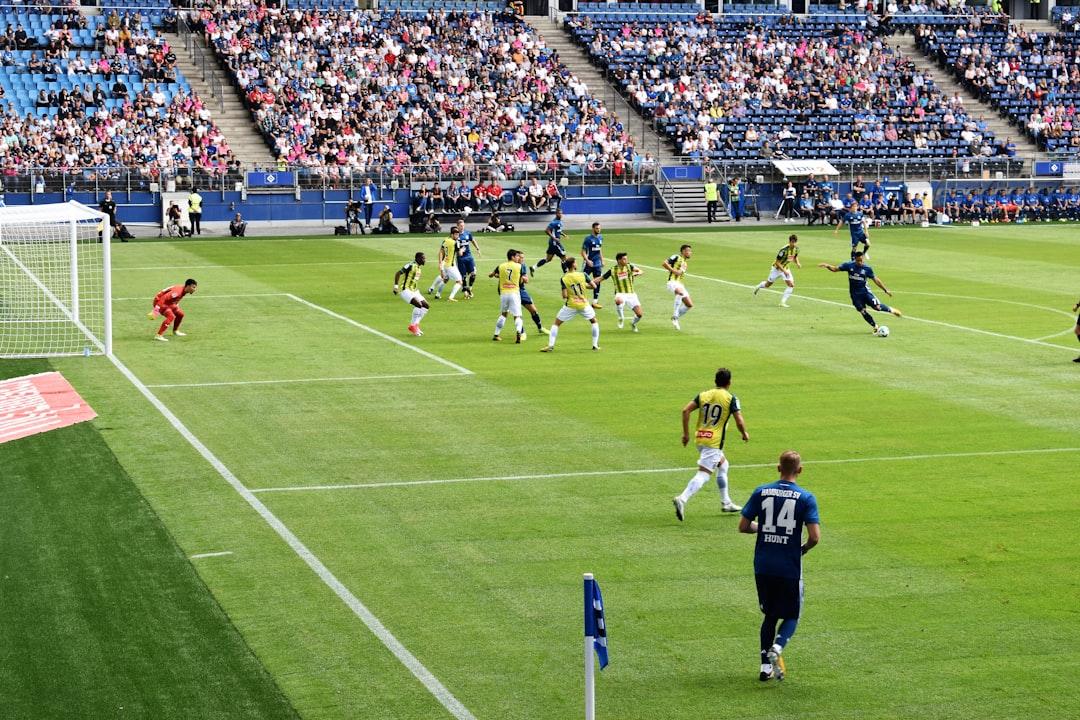
Both Mohamed Hany's and Diney Borges's historic deflections on Friday fit this exact mold. Under relentless pressure from rapid low-cross sequences, these defenders were forced into split-second, high-risk interventions where the margin for error was virtually zero.
The sheer volume of matches and the expansion of the tournament format have also played an undeniable role. With more teams competing and a more grueling schedule, physical and mental fatigue inevitably set in.
As fatigue accumulates, lactic acid builds up, and cognitive reaction times slow down by fractions of a second. In elite-level defending, a delay of even five milliseconds in adjusting one's hips or clearing a ball can mean the difference between a heroic clearance and a tragic own goal.
Furthermore, the inclusion of emerging football nations has widened the tactical disparity in some group-stage matchups. Underdog teams often deploy deep, compact low-blocks to absorb pressure. While this strategy can frustrate elite opponents, it also dramatically increases the density of bodies inside the penalty box. A higher density of players naturally leads to more chaotic deflections, ricochets, and ultimately, own goals.
We must also consider the physical tools of the trade. Every World Cup features a newly engineered match ball designed to enhance speed, accuracy, and spectator entertainment. Modern match balls are designed to minimize drag and maximize velocity when struck.
When these aerodynamic balls are combined with highly manicured, heavily watered pitches designed to make the ball zip across the grass, the speed of play increases exponentially. Goalkeepers and defenders have less time than ever to read the trajectory of a deflected pass. A ball that clips a defender's shin at high speed no longer trickles wide; it flies into the roof of the net.
This record-breaking milestone will undoubtedly force coaching staffs worldwide to re-evaluate their defensive drills. Traditional defending taught players to face the ball and clear it with the dominant foot. Today, defenders must learn how to "shepherd" attackers without committing their bodies, utilizing body positioning to block passing lanes rather than lunging at high-speed cross-ins.
From an analytical perspective, sports data firms are beginning to track "expected own goals" (xOG) or pressure-induced errors. Teams that consistently force opponents to defend in their own six-yard box are rewarded by the laws of probability.
While 14 own goals may feel like a cruel joke to the players involved, it is the logical culmination of a sport that has become faster, more attacking-oriented, and physically demanding than ever before. As the 2026 World Cup marches toward its conclusion, this record stands as a testament to the relentless, unforgiving pressure of modern international football.
Enjoying this article?
Get the daily AI briefing sent straight to your inbox.
Frequently Asked Questions
What is the new own-goal record for a single FIFA World Cup?
The record was set at 14 own goals during the 2026 tournament, surpassing the previous record of 12 set in 2018.
Who scored the record-breaking own goals in the 2026 World Cup?
Egypt's Mohamed Hany and Cape Verde's Diney Borges scored the decisive own goals on Friday that pushed the historic tally to 14.
Why are own goals becoming more common in modern football?
Tactical evolutions emphasizing rapid low crosses, high-pressing defensive lines, and increased physical fatigue from a grueling match schedule contribute heavily to forced defensive errors.
Comments
0Please sign in to leave a comment.
Related articles
The Road to Glory: Analyzing the 2026 World Cup Round of 16 Matchups
With the Round of 16 set, we rank the most compelling matchups of the 2026 FIFA World Cup, highlighting the high-stakes drama unfolding across North America.
France World Cup Campaign Jolted: Key Starter Ruled Out Against Paraguay
France’s World Cup 2026 aspirations hit a snag as a vital player is confirmed unavailable for the knockout clash against Paraguay.
Colombia Seals Round of 16 Berth After Hard-Fought Victory Over Ghana
Colombia’s disciplined defensive display and early goal against Ghana cement their spot in the knockout stages of the 2026 FIFA World Cup.