- Spain utilized a collective tactical approach to defeat France’s individual-heavy roster.
- Positional fluidity and high-pressing intensity were the core components of the Spanish strategy.
- The match highlights a potential shift in football toward team-centric systems over individual star reliance.
- Spain has emerged as a serious contender to win the 2026 World Cup.
Tactical Mastery: How Spain’s Collective Brilliance Outshone France
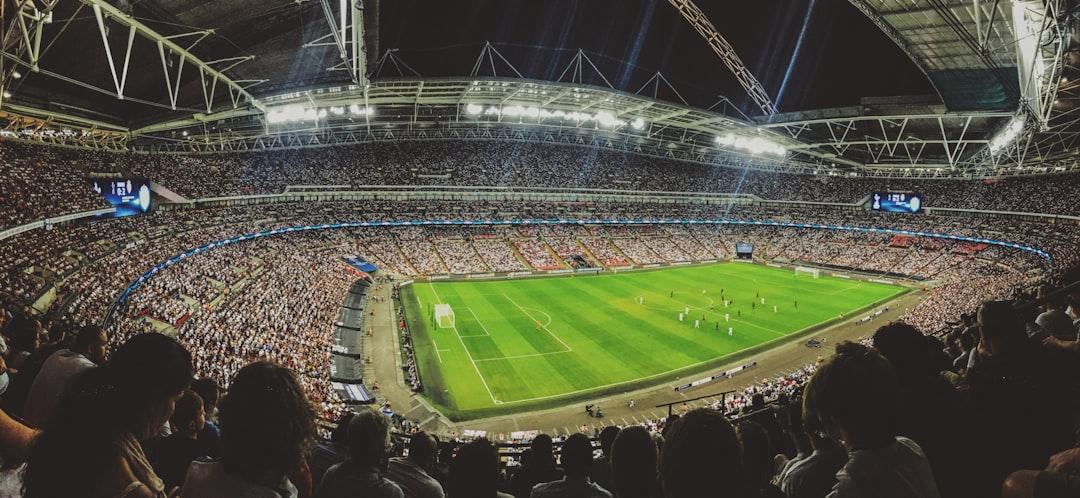
In a tactical masterclass at the 2026 World Cup, Spain proved that a cohesive unit can dismantle even the most star-studded individual rosters.
Jul 15, 2026·0 views
Key Takeaways
In the high-stakes arena of the 2026 World Cup, a narrative has emerged that challenges the traditional dependency on individual superstars. Spain, often viewed as a dark horse throughout the early stages of the tournament, delivered a statement performance against France that serves as a tactical blueprint for the modern game. While France entered the match with a squad laden with household names and global icons, it was the symphony of Spanish teamwork that ultimately secured their progression.
For years, football discourse has revolved around the 'Galactico' model—the idea that assembling the world’s best individual talents is the surest path to silverware. However, the recent clash between Spain and France suggests a shifting paradigm. Spain’s performance was not defined by a single moment of individual magic, but rather by an unrelenting commitment to a collective philosophy that left their opponents scrambling to find defensive coherence.
Spain’s success is rooted in a sophisticated tactical framework that emphasizes spatial awareness and rapid transition. Under the guidance of their current coaching staff, the team has cultivated a style of play that minimizes individual liability while maximizing the group’s output. Several key factors contributed to their dominance:
- Positional Fluidity: Players were constantly rotating, creating numerical superiorities in midfield that France simply could not track.
- High-Pressing Intensity: By forcing turnovers in the final third, Spain prevented French playmakers from settling into a rhythm.
- Defensive Synchronization: Even when France attempted to counter-attack, the Spanish backline maintained a rigid structure, neutralizing threats before they could develop into high-probability scoring chances.
France, despite their undeniable pedigree, struggled to adapt when their primary creative outlets were stifled. The reliance on individual brilliance becomes a vulnerability when a team lacks a cohesive tactical pivot point. When the opposition successfully isolates a star player, the entire offensive structure can crumble. This is precisely what Spain exploited.
By prioritizing the system over the individual, Spain created a environment where any player on the pitch could contribute to the attack. This approach effectively 'democratized' their scoring threat. Defenders had to worry about every player in a red shirt, rather than focusing their entire defensive effort on a single talismanic figure. This psychological weight wore down the French defense, leading to lapses in concentration that were ruthlessly punished.
As the tournament progresses, the question on every analyst's mind is whether Spain can maintain this level of intensity. History shows that teams peaking too early can often succumb to pressure or fatigue. However, the nature of Spain’s victory suggests a sustainability that is rare in international football. Their reliance on tactical discipline rather than high-octane, individual-dependent bursts allows them to conserve energy while maintaining control of the game.
Furthermore, the psychological boost of dismantling a top-tier opponent like France cannot be overstated. Spain has transitioned from being a 'quiet contender' to a legitimate favorite. Their path to the final remains treacherous, with other heavyweights lurking in the knockout stages, but the blueprint they have established is one that every remaining team will fear.
If Spain continues to succeed with this collective-first model, we may see a shift in how national teams are constructed. The focus may move away from scouting singular talents and toward building 'units'—groups of players whose skill sets are intentionally complementary. For the 2026 World Cup, this is more than just a victory; it is a tactical trendsetter that will influence coaching philosophies for years to come. Spain has proven that while stars may sell tickets, it is the machine that wins trophies.
Enjoying this article?
Get the daily AI briefing sent straight to your inbox.
Frequently Asked Questions
How did Spain manage to beat France in the 2026 World Cup?
Spain utilized a highly disciplined collective strategy, focusing on positional fluidity, high-pressing, and defensive synchronization to neutralize France's individual stars.
Is Spain now considered a favorite to win the 2026 World Cup?
Yes, following their tactical masterclass against France, Spain has moved from being a dark horse to a legitimate favorite to win the tournament.
Comments
0Please sign in to leave a comment.
Related articles
Alan Shearer Reflects on 1998 Heartbreak and England's Path to Glory
Alan Shearer opens up about the lasting sting of the 1998 World Cup and why the modern England generation is finally ready to claim a major trophy.
The Alchemy of Argentina: How Messi Found His Ultimate Squad Synergy
Discover how Argentina transformed its national team identity to unlock Lionel Messi’s full potential, blending tactical freedom with deep personal bonds.
Alan Shearer: Why England’s Current Squad Can Rewrite 1998 World Cup Heartbreak
Alan Shearer opens up about the lingering sting of England's 1998 World Cup exit, offering a masterclass on how the current squad can overcome past national trauma.