- Spain defeated France by prioritizing collective tactical discipline over individual star power.
- The Spanish team utilized high-intensity pressing and positional synchronization to neutralize French attackers.
- Spain has emerged as a serious title contender by maintaining a low profile and high tactical focus.
- The victory serves as a case study for the superiority of team-oriented systems in modern international football.
Tactical Masterclass: How Spain’s Collective Brilliance Outshone French Stars
Spain’s tactical cohesion dismantled France in a display that proves team synergy remains the ultimate weapon in modern international football.
Jul 15, 2026·0 views
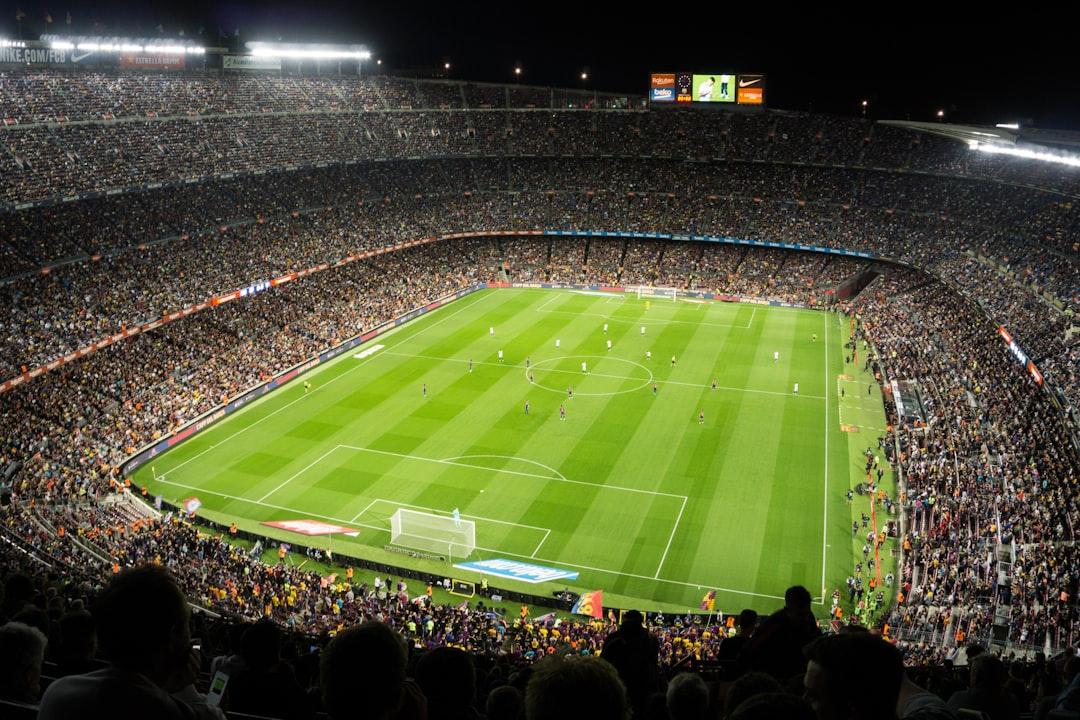
Key Takeaways
In the high-stakes theater of the 2026 World Cup, the narrative surrounding the tournament has often focused on individual superstars. Yet, Spain has emerged as the definitive counter-argument to the 'Galactico' model of team building. In their recent dismantling of France, Spain demonstrated that a well-drilled, cohesive unit can systematically neutralize even the most gifted individual talents in world football.
While France entered the match with a roster brimming with household names and elite-level technical ability, they were left looking disjointed against a Spanish side that operated with the clinical precision of a Swiss watch. Spain did not rely on a single moment of individual magic; instead, they relied on a system that prioritized structural integrity, intelligent pressing, and rapid transitions.
Spain’s approach was rooted in high-intensity positional play. By ensuring that every player was perfectly spaced, they created a passing network that made it nearly impossible for France to establish a defensive rhythm. Whenever a French player received the ball, they were immediately met by a Spanish double-team, forcing turnovers that were quickly converted into dangerous attacking opportunities.
Key tactical observations from the match included:
- Midfield Synchronization: The Spanish midfield trio acted as a single organism, rotating positions to ensure constant availability for passes and defensive coverage.
- Defensive Compactness: Spain’s backline held a high line, effectively compressing the space available for French attackers to operate in, thereby nullifying the pace of their wingers.
- Transition Efficiency: Rather than holding onto the ball for the sake of possession, Spain exhibited a newfound ruthlessness in moving the ball forward the moment a turnover occurred.
Throughout the 2026 tournament, Spain has largely operated under the radar. While media attention has been fixated on the traditional powerhouses and the headline-grabbing performances of individual icons, Luis de la Fuente’s squad has quietly built momentum. Their victory over France was not merely a win; it was a statement of intent that has forced analysts to recalibrate their predictions for the remainder of the competition.
This 'quiet' progression is by design. By avoiding the intense glare of the media spotlight, the team has maintained a level of focus that is rare in the pressure-cooker environment of a World Cup. Their performance against France suggests that they are not just participating; they are peak-timing their physical and tactical condition for the final stages.
As the tournament heads into its final act, the question on every supporter's mind is whether this Spanish side can go all the way. History suggests that while individual brilliance wins matches, collective structure wins championships. Spain’s ability to remain disciplined under pressure, combined with their tactical flexibility, makes them arguably the most dangerous team left in the bracket.
France’s reliance on individual brilliance proved to be their undoing. In a game of inches, the lack of a cohesive defensive structure left them exposed to Spain’s relentless, patterned attacks. If Spain continues to operate with this level of synergy, they will be incredibly difficult to break down, regardless of the quality of the opposition they face in the semifinals and beyond.
As the world watches the final stages of the 2026 World Cup, Spain has effectively shifted the narrative. They have proven that in a sport often obsessed with the 'best player in the world,' the 'best team in the world' remains the true standard for success. Whether they lift the trophy or not, their performance against France will serve as a masterclass for football academies and coaches worldwide on the importance of the collective unit over the individual star.
Enjoying this article?
Get the daily AI briefing sent straight to your inbox.
Frequently Asked Questions
How did Spain beat France in the 2026 World Cup?
Spain utilized superior tactical discipline, high-intensity pressing, and a cohesive team structure to neutralize France's individual stars.
Is Spain a favorite to win the 2026 World Cup?
Following their impressive victory over France, Spain has moved into the conversation as a top contender due to their disciplined and cohesive style of play.
Comments
0Please sign in to leave a comment.
Related articles
Alan Shearer Reflects on 1998 Heartbreak and England's Path to Glory
Alan Shearer opens up about the lasting sting of the 1998 World Cup and why the modern England generation is finally ready to claim a major trophy.
The Alchemy of Argentina: How Messi Found His Ultimate Squad Synergy
Discover how Argentina transformed its national team identity to unlock Lionel Messi’s full potential, blending tactical freedom with deep personal bonds.
Alan Shearer: Why England’s Current Squad Can Rewrite 1998 World Cup Heartbreak
Alan Shearer opens up about the lingering sting of England's 1998 World Cup exit, offering a masterclass on how the current squad can overcome past national trauma.