- Spain outperformed France through superior midfield control and tactical discipline.
- Physical and mental fatigue from years of high-level competition hampered the French squad.
- France's reliance on individual brilliance proved insufficient against a cohesive team structure.
- The defeat highlights a critical need for tactical evolution within the French national team.
Tactical Failure: Three Lessons from France’s World Cup Semi-Final Exit
Spain’s tactical discipline exposes cracks in Didier Deschamps’ aging squad as Les Bleus crash out of the tournament.
Jul 15, 2026·0 views
Key Takeaways
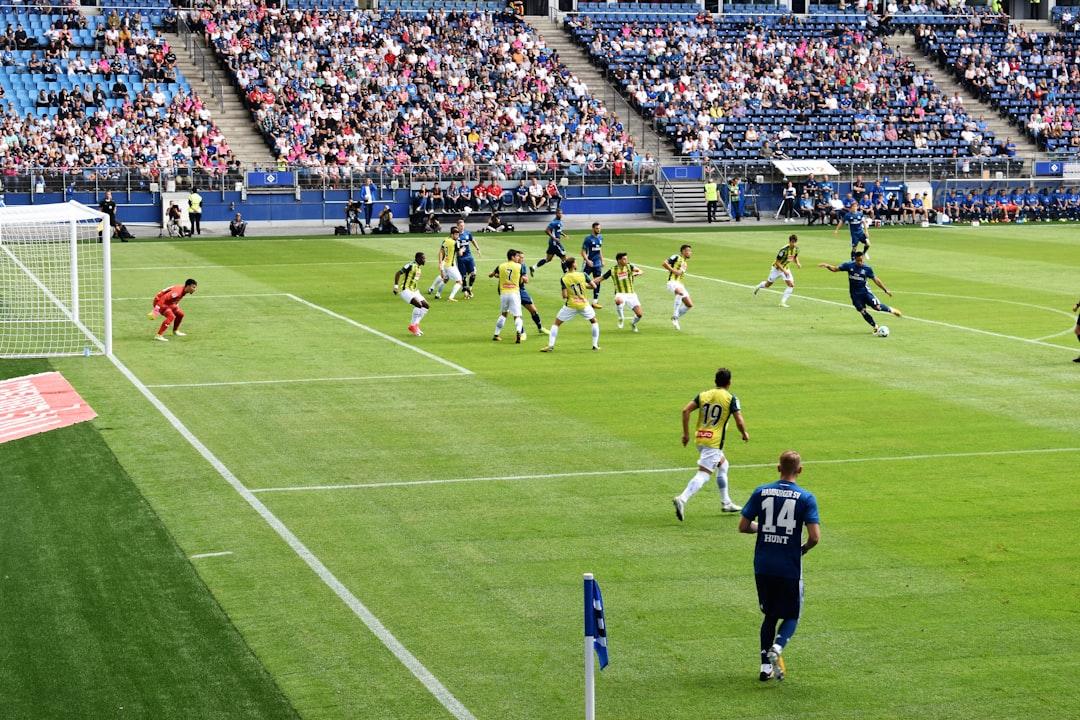
The atmosphere in Dallas was electric as France took to the pitch, aiming to secure a historic third consecutive appearance in a FIFA World Cup final. However, the narrative took a sharp turn as Spain dismantled the French defensive structure with surgical precision. For Didier Deschamps and his squad, the semi-final loss was not merely a defeat; it was a realization that the golden generation of French football is facing an inevitable transition.
Throughout the tournament, France relied heavily on individual brilliance to carry them through tight encounters. Against a disciplined Spanish side, this strategy finally crumbled. Spain’s midfield trio operated with a level of synchronicity that left the French engine room looking disjointed and reactive. While France’s players were often forced to chase shadows, Spain maintained possession with a rhythmic confidence that stifled any hope of a counter-attacking rhythm.
It became clear that France lacked a creative heartbeat. Without a player capable of dictating the tempo, Les Bleus were forced into long-ball tactics that played directly into the hands of Spain’s composed defensive line. The reliance on physical dominance over tactical fluidity proved to be the team's undoing.
One cannot ignore the toll that years of deep tournament runs have taken on this squad. Many of the key players who lifted the trophy in previous cycles appeared to be playing with heavy legs. The intensity required for international football is immense, and for a team that has played more competitive minutes than perhaps any other nation over the last decade, the fatigue was palpable.
Substitutions, which have historically been a strength for Deschamps, failed to provide the necessary spark. When the legs tire, the tactical discipline often slips. France’s late-game defensive lapses were a direct symptom of players who were physically pushed to their absolute limits. It raises a difficult question for the French Football Federation: is it time for a total refresh of the starting eleven?
Football is an evolving sport, and Spain’s performance highlighted how quickly the game can move away from traditional powerhouses. While France remained committed to a pragmatic, defensive-first approach, Spain embraced a high-pressing, high-possession game that exploited the spaces left by the French full-backs.
- Key Tactical Observations:
- Over-reliance on individual stars: France struggled to create cohesive team attacks when isolated from their primary playmakers.
- Defensive vulnerability: High-pressing opponents found success by targeting the gaps behind the French wing-backs.
- Lack of adaptability: The failure to shift formations mid-game left France predictable for the Spanish coaching staff.
As the dust settles in Dallas, the post-mortem for the French team will be intense. The talent pool in France remains the deepest in the world, yet the transition from the current core to the next generation remains uncertain. Deschamps faces a crossroads: continue with the veterans who have served him so well or tear up the playbook and build a squad designed for the modern, high-intensity game that Spain showcased so effectively.
For Spain, the victory is a statement of intent. They have proven that technical skill and tactical intelligence can overcome even the most physically imposing opponents. As they head to the final, they carry the momentum of a team that has finally solved the puzzle of international success. For France, the summer ends in reflection, marking the end of a legendary chapter and the difficult, necessary beginning of a new one.
Enjoying this article?
Get the daily AI briefing sent straight to your inbox.
Frequently Asked Questions
Why did France lose the World Cup semi-final to Spain?
France lost due to a lack of midfield control, physical fatigue from sustained tournament success, and a failure to adapt to Spain's high-pressing tactical approach.
Was this France's final chance with their current squad?
The performance suggests the current French squad is reaching the end of its cycle, with many key players showing signs of fatigue, necessitating a potential roster refresh.
Comments
0Please sign in to leave a comment.
Related articles
Tactical Masterclass: Spain’s Path to the Final and France’s Tactical Exit
Spain’s tactical brilliance propelled them past France into their first World Cup final since 2010. We break down the key player ratings and decisive moments.
Spain Topples France: La Roja Advances to FIFA World Cup 2026 Final
Spain’s clinical performance in Arlington has sent them to the World Cup final, marking a dominant chapter in their rivalry against France.

England vs. Argentina: How to Watch the Historic World Cup Semifinal Clash
Get all the details on how to stream and watch the high-stakes England vs. Argentina match, including team news and expert predictions.