- Argentina attempted to disrupt Spain's rhythm through aggressive physical play.
- Referees allowed a high level of physical contact, which contributed to a slow-paced first half.
- Spain maintained tactical discipline and refused to be drawn into an emotional or chaotic contest.
- Argentina's overreliance on Lionel Messi left them vulnerable when the game turned into an endurance test.
Tactical Discipline: How Spain Outlasted Argentina in the 2026 World Cup Final
Spain’s refusal to engage in a physical war of attrition proved the difference as they secured the global crown over a rigid Argentina side.
Jul 20, 2026·0 views
Key Takeaways
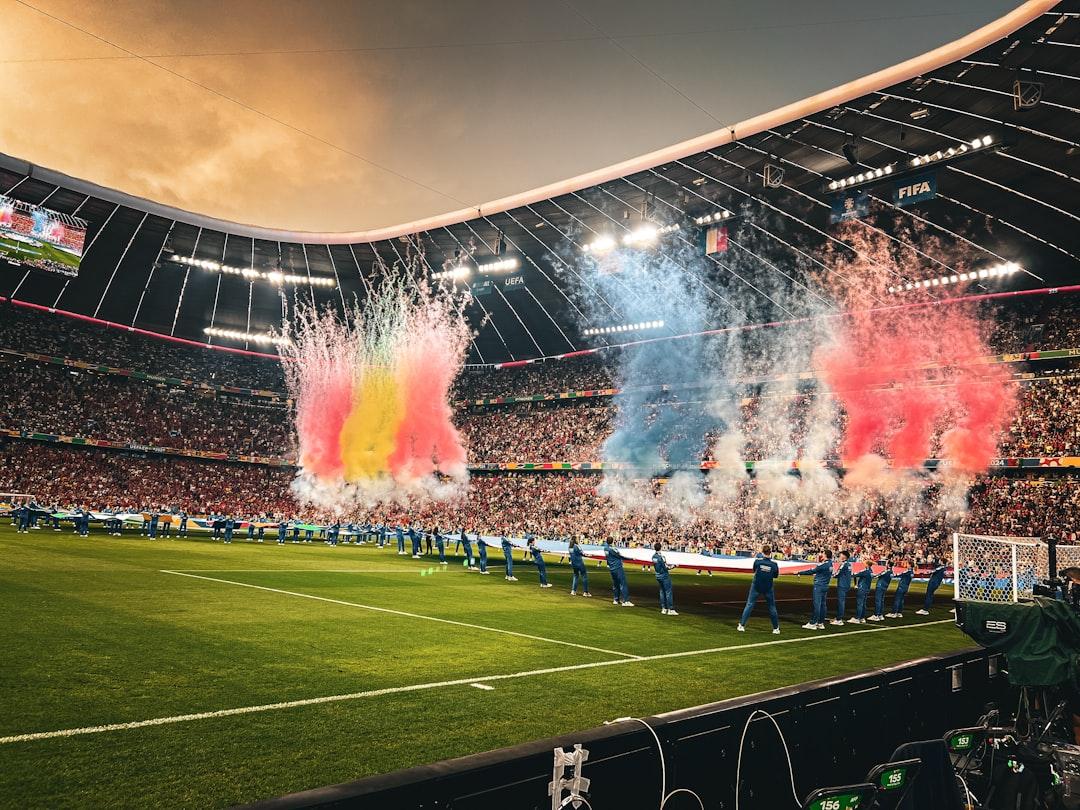
The 2026 World Cup final will likely be remembered not for its aesthetic beauty, but for the stark contrast in tactical intent between two of football’s most storied nations. As the tension mounted in the stadium, it became clear early on that Argentina had formulated a specific, albeit controversial, blueprint: disrupt, agitate, and neutralize.
Lionel Scaloni’s side arrived at the final with a clear objective. Recognizing that they could not match Spain’s technical proficiency in possession, Argentina sought to turn the marquee event into a physical war of attrition. By clogging the midfield and pressing aggressively—sometimes crossing the line of fair play—they aimed to stifle the Spanish rhythm. For long stretches of the first half, the plan appeared to be working, leaving spectators and pundits alike questioning if the halftime show would ultimately prove more compelling than the match itself.
A critical factor in the opening forty-five minutes was the officiating of Slovenian referee Slavko Vincic. His lenient approach to physical challenges allowed Argentina to set a bruising tempo. Early in the match, a heavy challenge from Alexis Mac Allister on Dani Olmo went unpunished, setting a precedent that favored the aggressor.
Coupled with a pitch that struggled to facilitate the quick, one-touch passing game synonymous with Spanish football, the conditions were ripe for a stalemate. Argentina’s strategy was to kill the spectacle, dragging the game into a slog that relied on set-pieces and individual moments of brilliance from Lionel Messi rather than collective fluid movement. However, this overreliance on singular moments ultimately played into Spain’s hands as the game progressed into the second half.
While Argentina leaned into the dark arts of the game, Spain displayed a remarkable degree of institutional patience. Rather than retaliating to the physical provocation, Luis de la Fuente’s men remained committed to their identity. They understood that to defeat Argentina, they had to move the ball with purpose and resist the urge to turn the match into a chaotic scuffle.
As the game entered its final act, the difference in preparation became evident. Spain’s depth and tactical discipline allowed them to maintain intensity, while Argentina’s reliance on Messi to conjure something out of nothing began to wane under the pressure of a disciplined defensive block.
- Midfield Control: Spain’s ability to keep possession despite intense pressure eventually fatigued the Argentine defensive line.
- Resilience: By refusing to take the bait, Spain forced Argentina to abandon their defensive shape in search of a late winner.
- The Messi Factor: Argentina’s tactical dependence on their captain became a liability when the game turned into a test of physical endurance rather than skill.
History has shown that even the greatest players require a cohesive structure to thrive at the highest level of international football. By attempting to force the game into a physical battle, Argentina inadvertently limited Messi’s influence. He was forced to drop deeper and deeper to find the ball, pulling him further away from the danger zones where he is most lethal.
In contrast, Spain’s win was a triumph of the collective. Every player understood their defensive responsibilities and their role in the attacking transition. When the final whistle blew, it was not the brilliance of one individual that decided the trophy, but the superior tactical discipline of a team that refused to be rattled.
Ultimately, the 2026 final served as a reminder that in the modern game, pure talent must be married to a clear, sustainable tactical vision. Argentina’s gamble to prioritize physicality over their own footballing identity failed, and Spain, through patience and persistence, earned their place in the history books.
Enjoying this article?
Get the daily AI briefing sent straight to your inbox.
Frequently Asked Questions
Who won the 2026 World Cup final?
Spain won the 2026 World Cup final by maintaining tactical discipline and patience against a physical Argentina side.
What was Argentina's strategy in the final?
Argentina aimed to disrupt Spain's passing game through aggressive physicality and by slowing down the match tempo.
Comments
0Please sign in to leave a comment.
Related articles
Plymouth Parkway Boss Karl Curtis Eyes EFL Clash in Historic FA Cup Run
Plymouth Parkway has reached the FA Cup first round for the first time in club history, with manager Karl Curtis eager to test his squad against an EFL powerhouse.
Juventus Injury Crisis: Francisco Conceição Sidelined After Lazio Defeat
Juventus faces a major setback after Francisco Conceição was sidelined with an injury following their 3-0 defeat to Lazio, complicating their Serie A campaign.
Sevilla Duo Slam VAR Decision in Controversial Clash Against Real Madrid
Sevilla players have publicly questioned VAR's inconsistency following their 4-1 loss to Real Madrid, specifically highlighting a missed red card incident involving Arda Guler.