- England suffered a 2-1 defeat to Argentina in the semi-finals after taking an early 1-0 lead.
- Thomas Tuchel is facing criticism for adopting a passive, defensive strategy that ceded control to Argentina.
- Analysts suggest the team's 'crumbled' defensive performance was a result of being pinned back for too long.
- The defeat has reignited the debate over balancing defensive security with proactive attacking play.
Tactical Autopsy: Did Thomas Tuchel’s Defensive Strategy Sink England?
After a devastating semi-final exit against Argentina, questions mount regarding whether the manager's cautious approach stifled England's attacking potential.
Jul 16, 2026·0 views
Key Takeaways
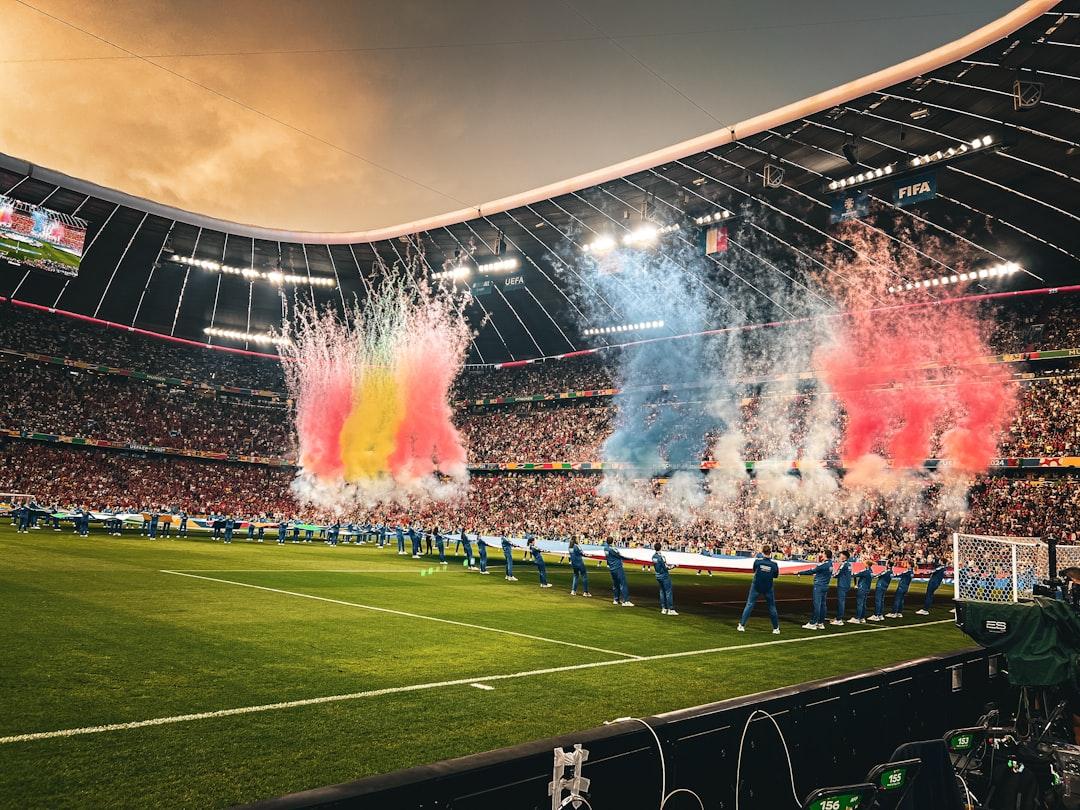
The dust has barely settled on England’s heart-wrenching semi-final exit, but the inquest into Thomas Tuchel’s tactical masterplan has already begun. After taking a promising 1-0 lead against Argentina, the Three Lions appeared to shift gears—not into overdrive, but into a defensive shell that ultimately invited pressure they could not withstand. As the final whistle blew on a 2-1 defeat, fans and pundits alike were left wondering: did the manager’s conservative approach effectively hand the game to the opposition?
For much of the tournament, Tuchel had been praised for his pragmatic restructuring of the squad. However, the semi-final performance has drawn sharp criticism for being 'passive' and lacking the clinical edge required to put a high-caliber side like Argentina to the sword.
Critics argue that the turning point occurred immediately after England secured the opening goal. Rather than pressing their advantage and looking for a second, the team retreated into a mid-block that allowed Argentina’s midfield maestros to dictate the tempo of the game.
- Loss of Possession: By sitting deep, England ceded control of the middle third, allowing Argentina to build rhythmic, probing attacks.
- Lack of Counter-Attack: The forward line became isolated, leaving the team unable to relieve pressure through transitions.
- The Psychological Toll: Once the momentum shifted, the defensive posture appeared to drain the team of its natural attacking confidence.
Former players and tactical analysts noted that the 'crumbled' nature of the defense in the final twenty minutes was a direct consequence of being pinned back for too long. When a team defends for their lives without an outlet, fatigue—both physical and mental—eventually leads to individual errors, which is precisely what transpired in the dying stages of the match.
Thomas Tuchel has long been known as a tactical chameleon, capable of shifting formations to suit the opponent. Yet, in this instance, many observers feel he over-engineered the setup. While the defensive solidity was intended to negate Argentina’s world-class attacking threats, it inadvertently suffocated England’s own creative sparks.
'Passive' is the word currently dominating the post-match discourse. England possessed the personnel to hurt Argentina on the break, yet the instruction appeared to be one of containment. In knockout football, containment is a dangerous game; when the opponent is as technically gifted as Argentina, giving them the ball is essentially inviting them to pick the lock.
As the squad returns home, the Football Association faces a difficult period of reflection. The performance highlights a recurring theme in England’s modern tournament history: the struggle to balance defensive organization with the ruthless ambition required to reach a final.
Is Tuchel the right man to lead England into the next cycle? The answer likely depends on his willingness to trust his attacking assets in high-pressure scenarios. While defensive structure is the foundation of any trophy-winning side, the World Cup semi-final served as a painful reminder that fortune favors the brave.
- Aggression as Defense: Sitting back often creates more defensive work than pressing high, as it allows the opposition to camp in the final third.
- Personnel Utilization: Star forwards must be empowered to create, even when the team is protecting a lead.
- Adaptability: The ability to shift from a defensive shell to an attacking threat mid-game remains the hallmark of world-class management.
Ultimately, the defeat will be categorized as a 'what if' moment in English football history. Whether this leads to a tactical evolution or a period of stagnation remains to be seen, but the criticism directed at the coaching staff suggests that the fans are hungry for a more proactive brand of football.
Enjoying this article?
Get the daily AI briefing sent straight to your inbox.
Frequently Asked Questions
Did England lose the semi-final due to Thomas Tuchel's tactics?
Critics argue that Tuchel's decision to play defensively after taking a 1-0 lead allowed Argentina to dominate possession and eventually win the match.
What was the main criticism of England's performance against Argentina?
The primary criticism was that the team became 'passive' and failed to capitalize on their early lead, leading to a defensive collapse in the final stages.
Comments
0Please sign in to leave a comment.
Related articles
Athletic Club Crisis: Gorka Guruzeta Out for Season With ACL Injury
Athletic Club confirms Gorka Guruzeta will miss the remainder of the season after suffering a season-ending cruciate ligament injury against Valencia CF.
Napoli Star Alisson Santos Faces Another Injury Setback After Return
Napoli’s momentum hits a snag as Alisson Santos suffers a fresh injury blow immediately following his return to the pitch.
Kamari Doyle Urges Leicester City to Build Momentum After Doncaster Victory
Leicester City midfielder Kamari Doyle believes the club's recent triumph over Doncaster is the catalyst needed to spark a consistent winning streak.