- Spain has conceded only one goal in six matches during the 2026 FIFA World Cup.
- The team utilizes a mix of high-pressing and compact defensive blocks to neutralize opponents.
- Luis de la Fuente’s tactical discipline has shifted Spain's identity from purely possession-based to defensively pragmatic.
- The upcoming semi-final against France will be the ultimate test for this defensive structure.
Spain’s Defensive Masterclass: The Tactical Blueprint at the 2026 World Cup
Luis de la Fuente’s squad has allowed only one goal in six matches, setting a historic defensive standard as they prepare for a high-stakes clash against France.
Jul 14, 2026·0 views
Key Takeaways
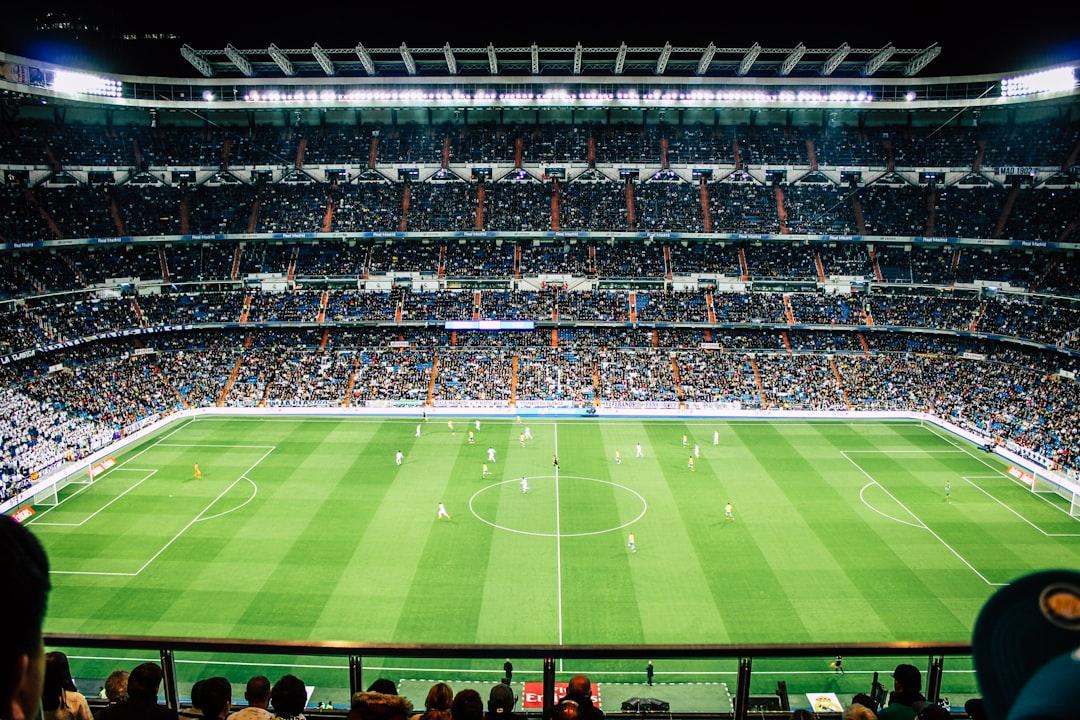
In the high-octane world of international football, where tactical fluidity often leaves gaps at the back, Spain has emerged as an anomaly. At the 2026 FIFA World Cup, Luis de la Fuente’s squad has effectively turned the pitch into a fortress. With a staggering record of conceding only one goal in six matches, the Spanish side is not just winning games; they are suffocating the opposition’s ability to even generate meaningful scoring opportunities.
As the team prepares for a massive showdown against France this Tuesday, the footballing world is taking note. This isn't just a streak of good luck or stellar goalkeeping; it is a calculated, systematic approach to defensive structure that has become the hallmark of this tournament's most disciplined team.
What makes this defensive record so "absurd," as many pundits have labeled it, is the evolution of Spain’s tactical identity. Historically known for their possession-heavy "tiki-taka" style—which prioritized ball retention as a defensive mechanism—this current iteration of Spain has added a layer of pragmatic steel.
The foundation of this success lies in the team’s ability to transition seamlessly between an aggressive high press and a compact low block. By forcing turnovers in the final third, Spain limits the time opponents have to organize counter-attacks. When the press is bypassed, the defensive line holds a disciplined shape that funnels attackers into congested areas, effectively neutralizing star forwards before they can test the goalkeeper.
- Midfield Shielding: The defensive midfielders have been instrumental in breaking up play before it reaches the back four.
- Full-Back Versatility: Spain’s full-backs are providing both width in the attack and defensive cover, preventing the exploitation of the flanks.
- Goalkeeping Excellence: When the structure does fail, the man between the posts has been clinical, maintaining focus despite long periods of relative inactivity.
As Spain looks toward their upcoming semi-final against France, the narrative centers on an unstoppable force meeting an immovable object. France, known for their blistering pace and individual brilliance, will be the greatest test yet for this Spanish defensive unit. The match is expected to be a tactical chess match, with both managers likely to prioritize control over chaos.
For Spain, the goal remains the same: maintain the defensive integrity that has carried them this far. If they can silence the French attack, it would not only secure their place in the final but also cement this team’s place in the history books as one of the most defensively sound squads to ever compete on the global stage.
While the focus has been on the defense, it is important to note that this stability has allowed Spain’s attackers to play with newfound freedom. Knowing that a single goal is often enough to win a match, the forward line has been able to take calculated risks without the looming fear of a defensive collapse.
This psychological edge is vital in tournament football. As the pressure mounts and the stakes grow higher, Spain’s ability to remain calm under duress—a trait instilled by De la Fuente—could be the decisive factor. Whether they lift the trophy or fall short in the final stages, their performance in the 2026 World Cup will serve as a masterclass for future generations on how to build a team from the back forward.
As the world turns its eyes to the upcoming clash, one thing is certain: Spain has already proven that in the modern game, an impenetrable defense remains the most reliable path to glory.
Enjoying this article?
Get the daily AI briefing sent straight to your inbox.
Frequently Asked Questions
How many goals has Spain conceded in the 2026 World Cup?
Spain has conceded only one goal throughout their six matches leading up to the semi-finals.
Who is the manager of the Spanish national team in 2026?
Luis de la Fuente is the manager leading the Spanish side at the 2026 FIFA World Cup.
Comments
0Please sign in to leave a comment.
Related articles
Milan’s Tactical Shift: Chukwueze Embraces New Role Under Amorim
Samuel Chukwueze is being repositioned in a tactical shift reminiscent of Amad Diallo’s growth, signaling a new era for AC Milan under Ruben Amorim.
Nico O'Reilly Eyes Historic Clash with Lionel Messi in World Cup Semi-Final
England's Nico O'Reilly reflects on the rare opportunity to face football icon Lionel Messi in a high-stakes World Cup semi-final showdown.
Sunderland Eye Move for Barcelona Prospect: A Tactical Fit for Le Bris?
Sunderland have emerged as a surprise contender for the signature of Barcelona's rising talent Roony Bardghji, sparking interest in the Championship.