- Spain defeated Argentina 1-0 in the World Cup final.
- The winning goal was scored during extra time after a scoreless regulation period.
- The match was defined by tactical discipline and high-stakes defensive play.
- Spain's victory highlights the success of their possession-based tactical approach.
Spain Clinches Historic World Cup Victory Over Argentina in New Jersey Thriller
A tense extra-time strike secures the trophy for La Roja in a match that will be remembered as a tactical masterclass.
Jul 20, 2026·0 views
Key Takeaways
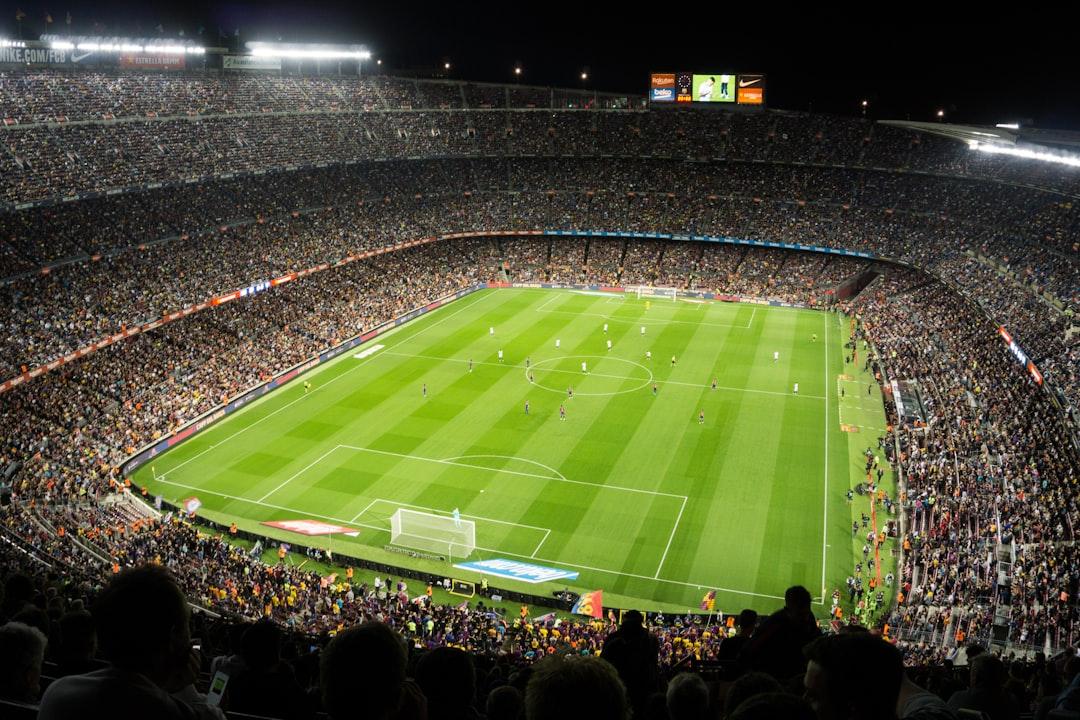
The global football landscape shifted on its axis this evening as Spain secured a hard-fought 1-0 victory over Argentina in a high-stakes World Cup final. The match, hosted at a packed stadium in New Jersey, was a grueling test of endurance, tactical discipline, and nerves that stretched well into extra time before a singular moment of brilliance decided the fate of the trophy.
For football fans across the globe, this encounter represented the pinnacle of the sport. Argentina, led by their iconic attacking line, sought to assert dominance early, while Spain relied on their signature possession-based rhythm to control the tempo. As the clock ticked past the regulation ninety minutes, the tension in the stadium was palpable, with both sides refusing to concede an inch of ground.
The stalemate remained intact throughout the entirety of regular time. Both defenses put on a clinic, neutralizing star players and forcing the game into the high-pressure environment of extra time. It was during this additional period that the match finally saw its decisive breakthrough.
With both teams showing signs of extreme fatigue, Spain managed to find the necessary spark to penetrate the Argentinian defense. A clinical finish followed a period of intense pressure, sending the Spanish contingent into a state of euphoria. Despite Argentina’s desperate attempts to find an equalizer in the closing minutes, the Spanish defensive line held firm, ensuring that the lone goal would be enough to clinch the title.
The match was widely viewed as a clash between two distinct footballing philosophies. Argentina entered the pitch with an aggressive, counter-attacking mindset designed to exploit space, while Spain’s approach centered on ball retention and surgical precision.
- Spain’s Midfield Control: By maintaining a high percentage of possession, Spain effectively limited Argentina’s ability to build momentum through the center of the pitch.
- Argentina’s Defensive Resilience: For over 90 minutes, the Argentine backline successfully absorbed pressure, blocking multiple attempts on goal.
- The Extra-Time Factor: Physical fitness proved to be the deciding variable. Spain’s bench depth allowed for fresh legs to enter the fray at the perfect moment, shifting the balance of power when it mattered most.
As the final whistle blew, the scenes of celebration from the Spanish squad were matched only by the solemnity of the Argentine players, who had played their part in an instant classic. For Spain, this victory is more than just a trophy; it is a testament to the evolution of their national program and their ability to perform under the immense pressure of a global stage.
Critics and analysts have already begun dissecting the match, labeling it a triumph of team cohesion over individual brilliance. While Argentina boasted several world-class talents, it was Spain’s collective movement and tactical adaptability that ultimately paved the way for their historic win.
This World Cup final serves as a reminder of the unpredictable nature of football at the highest level. As the dust settles on the New Jersey pitch, questions will naturally arise regarding the future of both squads. For Spain, the focus will shift to maintaining this level of excellence in upcoming continental tournaments. For Argentina, the process of rebuilding and reflecting on a narrow defeat will begin as they look toward the next cycle of international competition.
Regardless of the allegiances held by supporters, this match will be etched into the history books as one of the most disciplined and tightly contested finals in recent memory. The sport continues to evolve, but as this game proved, the ability to execute a game plan under the brightest lights remains the most valuable trait in football.
Enjoying this article?
Get the daily AI briefing sent straight to your inbox.
Frequently Asked Questions
Who won the World Cup final between Spain and Argentina?
Spain won the match with a final score of 1-0.
Where was the World Cup final played?
The final match took place at a stadium in New Jersey.
When was the winning goal scored?
The winning goal was scored during extra time.
Comments
0Please sign in to leave a comment.
Related articles
Plymouth Parkway Boss Karl Curtis Eyes EFL Clash in Historic FA Cup Run
Plymouth Parkway has reached the FA Cup first round for the first time in club history, with manager Karl Curtis eager to test his squad against an EFL powerhouse.
Juventus Injury Crisis: Francisco Conceição Sidelined After Lazio Defeat
Juventus faces a major setback after Francisco Conceição was sidelined with an injury following their 3-0 defeat to Lazio, complicating their Serie A campaign.
Sevilla Duo Slam VAR Decision in Controversial Clash Against Real Madrid
Sevilla players have publicly questioned VAR's inconsistency following their 4-1 loss to Real Madrid, specifically highlighting a missed red card incident involving Arda Guler.