- Spain defeated Argentina 1-0 in the 2026 World Cup final after extra time.
- Rodri was the standout performer, controlling the midfield and neutralizing Argentina's threats.
- Enzo Fernández struggled to impact the game, contributing to Argentina's lack of offensive rhythm.
- Spain’s tactical discipline and superior possession play were the deciding factors in the victory.
Spain Clinches 2026 World Cup Title: Player Ratings and Tactical Breakdown
La Roja secures a historic victory in a tense extra-time battle against Argentina, cementing their dominance on the global stage.
Jul 20, 2026·0 views
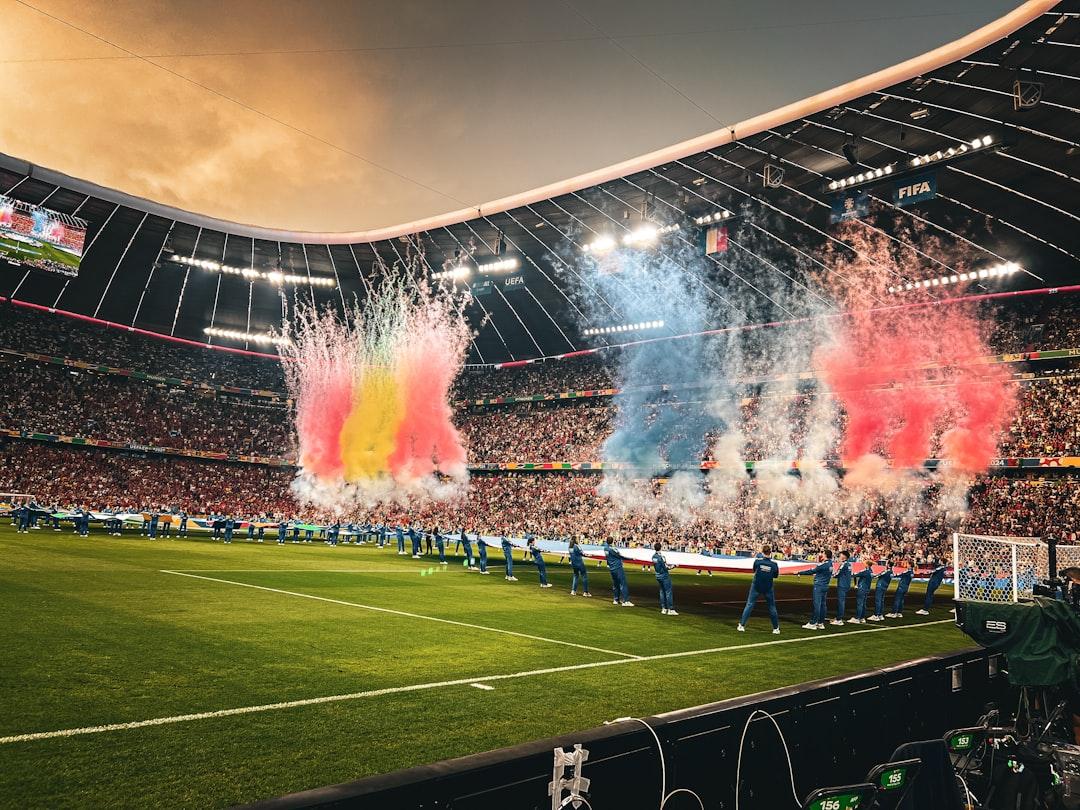
Key Takeaways
The 2026 FIFA World Cup final concluded in dramatic fashion as Spain defeated Argentina 1-0 after extra time, ending a tournament defined by tactical precision and high-stakes tension. In a match where margins were razor-thin, Spain’s disciplined approach ultimately stifled Argentina’s potent attack, securing the trophy in a performance that will be remembered for years to come.
While Argentina entered the match with high expectations, the tactical setup employed by the Spanish coaching staff neutralized the South American side's creative outlets. The midfield battle, in particular, became the defining narrative of the evening, with Spain’s veteran presence dictating the tempo of the game throughout the 120 minutes of play.
The standout performer for Spain was undoubtedly Rodri. Once again, the Manchester City stalwart proved why he is considered the heartbeat of the team. Operating at the base of the midfield, Rodri was imperious, breaking up Argentina’s transition play and recycling possession with clinical efficiency. His ability to read the game allowed Spain to maintain a high defensive line, effectively suffocating Argentina’s counter-attacking threats.
In contrast, Argentina’s midfield struggled to find a consistent rhythm. Enzo Fernández, who has been a pillar of consistency for his nation, had a day to forget. Tasked with disrupting Spain’s passing lanes, Fernández often found himself chasing shadows, struggling to cope with the rapid circulation of the ball from the Spanish interior midfielders. This disparity in the engine room was the primary reason Spain dominated the ball for the vast majority of the contest.
Spain’s defensive unit remained resolute under pressure. Even when Pau Cubarsí committed a nervy error early in the first half, goalkeeper Unai Simón was alert to the danger, demonstrating the composure required for a final of this magnitude. Beyond that isolated moment, Simón was rarely troubled, a testament to the defensive structure built in front of him.
Key takeaways from the defensive display included:
- High Pressing Intensity: Spain’s forward line consistently harried the Argentine defenders, forcing turnovers in dangerous areas.
- Positional Awareness: The center-back pairing remained disciplined, refusing to be pulled out of position by the movement of Argentina’s forwards.
- Goalkeeping Composure: Unai Simón’s ability to sweep behind the defensive line provided the security needed to push the team forward.
Argentina’s failure to secure the title will prompt significant soul-searching. Despite having world-class talent, the team appeared disjointed in the final third. The lack of service to the forwards meant that Argentina was forced to rely on individual moments of brilliance rather than collective build-up play. As the match entered extra time, the physical toll became evident, and Spain’s superior conditioning allowed them to find the decisive breakthrough.
This tournament has been a showcase of the evolution of modern football. Spain’s victory represents a triumph of system over individual flair, proving that tactical synergy remains the most important component in tournament football. For Argentina, the disappointment is deep, but the foundation remains strong for future competitions.
As the curtain falls on the 2026 World Cup, the footballing world looks toward the next cycle of international competition. Spain will head into the coming years as the team to beat, with a squad that perfectly balances experienced veterans and rising stars. The tactical blueprint laid down in this final will likely influence coaching philosophies across the globe for seasons to come.
Enjoying this article?
Get the daily AI briefing sent straight to your inbox.
Frequently Asked Questions
Who won the 2026 World Cup final?
Spain won the 2026 World Cup final, defeating Argentina 1-0 after extra time.
Who was the standout player for Spain?
Rodri was widely considered the standout performer for Spain due to his control and influence in the midfield.
Comments
0Please sign in to leave a comment.
Related articles
Plymouth Parkway Boss Karl Curtis Eyes EFL Clash in Historic FA Cup Run
Plymouth Parkway has reached the FA Cup first round for the first time in club history, with manager Karl Curtis eager to test his squad against an EFL powerhouse.
Juventus Injury Crisis: Francisco Conceição Sidelined After Lazio Defeat
Juventus faces a major setback after Francisco Conceição was sidelined with an injury following their 3-0 defeat to Lazio, complicating their Serie A campaign.
Sevilla Duo Slam VAR Decision in Controversial Clash Against Real Madrid
Sevilla players have publicly questioned VAR's inconsistency following their 4-1 loss to Real Madrid, specifically highlighting a missed red card incident involving Arda Guler.