- Spain defeated Argentina to win the 2026 FIFA World Cup.
- This victory marks Spain's second-ever World Cup title, their first since 2010.
- The match was defined by Spain's tactical discipline and efficient transition play.
- The 2026 final set new benchmarks for global viewership and competitive intensity.
Spain Clinches 2026 World Cup Title in Thrilling Final Against Argentina
La Roja secures their second-ever FIFA World Cup trophy after a tactical masterclass in the 2026 grand finale.
Jul 19, 2026·0 views
Key Takeaways
In a tournament defined by tactical shifts and the emergence of a new generation of footballing talent, Spain has officially ascended to the pinnacle of the sport. The 2026 FIFA World Cup concluded this weekend with a historic victory for La Roja, who overcame a formidable Argentina side to secure their second-ever World Cup title. The win marks a significant milestone for the Spanish national team, signaling a return to the glory days of 2010 while ushering in a modernized, high-intensity style of play that has captivated fans across the globe.
For football enthusiasts, this match was more than just a championship; it was a clash of philosophies. Argentina, led by their seasoned tactical core, entered the pitch with the weight of expectation and a storied history of recent tournament successes. However, Spain’s disciplined defensive structure and clinical efficiency in the final third proved to be the decisive factor in a match that kept millions of viewers on the edge of their seats until the final whistle.
The journey to the final for Spain was anything but straightforward. Throughout the 2026 tournament, the team demonstrated remarkable resilience, navigating a challenging group stage and a series of high-stakes knockout rounds against some of the world’s toughest opponents. Analysts have pointed to the team’s improved tactical flexibility as the primary engine behind their success. Unlike the possession-heavy 'tiki-taka' of the past, this iteration of the Spanish squad showcased a lethal transition game that punished defensive errors with surgical precision.
Key highlights of their campaign included:
- A dominant performance in the quarter-finals that showcased their defensive depth.
- A nerve-wracking semi-final victory that tested the squad's mental fortitude.
- A masterclass in the final, where the team neutralized Argentina’s primary offensive threats.
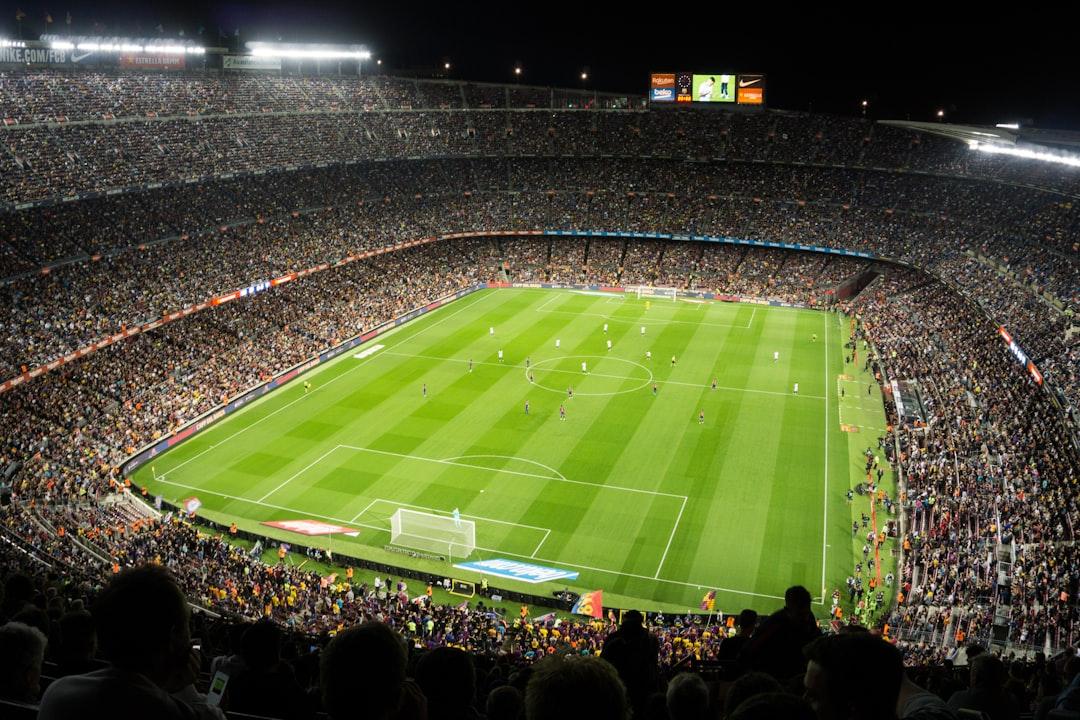
The final match itself served as a testament to the evolution of international football. From the opening minutes, Spain dictated the tempo, utilizing high-pressing maneuvers to disrupt Argentina’s rhythm. The midfield battle was particularly intense, with both sides fighting for control of the center circle.
Spain’s winning goal—a moment of individual brilliance executed within a perfect team framework—broke the deadlock during a critical juncture of the second half. Following the goal, the team shifted into a compact defensive formation, successfully repelling wave after wave of Argentine counter-attacks. The victory confirms the tactical prowess of the Spanish coaching staff, who have spent the last four years refining a system that balances technical skill with physical endurance.
As the dust settles on the 2026 tournament, the global football community is already looking ahead. This victory for Spain serves as a clear message to the rest of the world: the landscape of international football is shifting. With this second title, Spain joins an elite group of nations to have won multiple World Cups, further cementing their legacy in the sport's history books.
For Argentina, while the defeat is undoubtedly painful, the team remains a powerhouse with a deep pool of talent. The 2026 final will likely be remembered as one of the most competitive matches of the decade, serving as a benchmark for excellence in the years to come. As players return to their respective clubs, the focus will soon shift toward the qualification cycles for upcoming continental tournaments, but for now, the headlines belong to Spain.
Beyond the scoreline, the 2026 World Cup final has set new records for viewership and fan engagement. With the global reach of the tournament expanding, the interest generated by this final match highlights the enduring appeal of the beautiful game. From the streets of Madrid to football academies across South America, the influence of this match will be felt for years. Spain’s victory is not just a triumph for a team; it is a celebration of the sport’s ability to unite diverse cultures through the shared language of competition.
Enjoying this article?
Get the daily AI briefing sent straight to your inbox.
Frequently Asked Questions
Who won the 2026 FIFA World Cup?
Spain won the 2026 FIFA World Cup, defeating Argentina in the final match.
How many World Cup titles does Spain have now?
With the 2026 victory, Spain now has two World Cup titles, having previously won the tournament in 2010.
Comments
0Please sign in to leave a comment.
Related articles

Kleber Mendonça Filho Named Patron of Marrakech Film Festival’s Atlas Workshops
Brazilian auteur Kleber Mendonça Filho will mentor emerging filmmakers at the 9th edition of the Marrakech International Film Festival's Atlas Workshops.

BBC Rejects Reports of Tension on The Celebrity Traitors Set
BBC officials have dismissed rumors of a rift between James Acaster, Rob Beckett, and Romesh Ranganathan during the filming of the upcoming Celebrity Traitors series.

Kingston Rumi Southwick Joins Psychological Horror ‘Henry’s Ebb’
Rising star Kingston Rumi Southwick headlines the chilling new psychological horror film 'Henry’s Ebb,' now represented by Bridge Independent.