- Spain defeated Argentina to win the 2026 World Cup title.
- Tactical midfield control was the primary factor in Spain's victory.
- Argentina struggled to maintain offensive rhythm against a disciplined Spanish defense.
- The 2026 tournament highlighted the successful evolution of Spain's youth development programs.
Spain Clinches 2026 World Cup Glory in Historic Final Victory
La Roja overcomes a resilient Argentina to secure their second world title in a match that will be remembered for years.
Jul 20, 2026·0 views
Key Takeaways
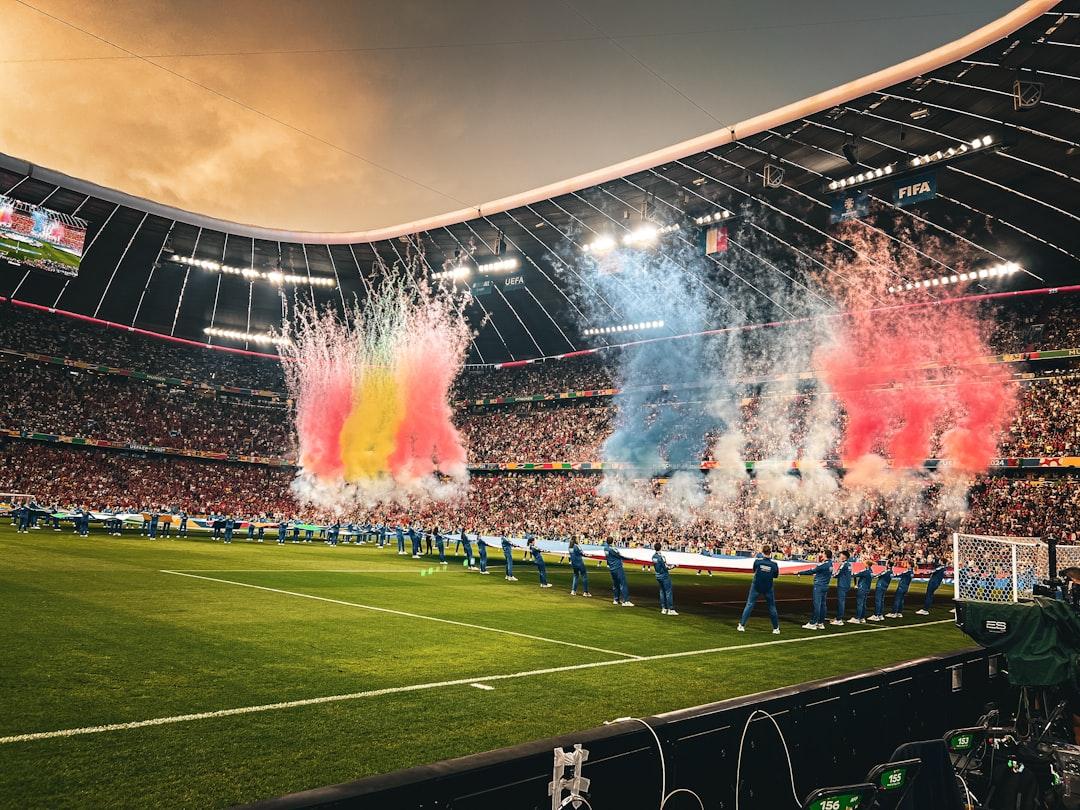
The 2026 World Cup has officially drawn to a close, leaving fans breathless as Spain stood tall to lift the most prestigious trophy in international football. In a tournament defined by tactical evolution, youthful exuberance, and shifting global power dynamics, the Spanish national team proved that persistence and structural discipline remain the bedrock of championship-caliber play.
While the journey to the final was fraught with uncertainty, Spain’s tactical masterclass in the closing stages of the tournament demonstrated their ability to adapt under immense pressure. By neutralizing high-intensity opponents and maintaining composure in the final third, La Roja secured a victory that solidifies their place in the pantheon of football greats.
Entering the match, the narrative was heavily focused on the clash of styles between Spain’s possession-heavy philosophy and Argentina’s grit and clinical finishing. Throughout the 90 minutes, Spain’s midfield dominance proved to be the deciding factor. By suffocating the middle of the pitch, they forced Argentina to rely on long balls and individual flashes of brilliance, which were ultimately thwarted by a disciplined Spanish defensive line.
Key moments that defined the victory included:
- Midfield Supremacy: The Spanish trio controlled the tempo, preventing Argentina from establishing any sustained rhythm.
- Clinical Finishing: When opportunities arose, the Spanish forwards displayed the composure that had been lacking in earlier rounds.
- Defensive Resilience: The backline successfully managed the threats posed by Argentina’s star-studded frontline, ensuring that the lead was never surrendered once secured.
For Argentina, the loss is a difficult pill to swallow. Having entered the tournament with massive expectations, the team showcased resilience throughout the knockout stages, often relying on late-game heroics to progress. However, in the final, the weight of expectation and the physical toll of a grueling tournament appeared to catch up with the squad.
Analysts have pointed toward the team’s inability to transition quickly from defense to attack as a primary reason for the defeat. While Lionel Messi’s influence remained palpable, the team struggled to find the necessary support in the final minutes to equalize. As the dust settles, questions regarding the future of the squad and the potential for a new generation to take the reins will undoubtedly dominate the discourse in Buenos Aires.
The 2026 World Cup will be remembered for more than just the final score. It served as a showcase for the global growth of football, with expanded brackets providing a platform for emerging nations to test their mettle against the established titans of the sport. Spain’s victory serves as a testament to the effectiveness of their youth development systems, which have consistently produced players capable of performing on the world’s biggest stage.
As the football community turns its attention toward the next qualification cycle, the lessons learned in 2026 will be invaluable. Spain has set a new benchmark for tactical flexibility, and the rest of the world now faces the challenge of closing the gap. For now, however, the spotlight belongs to Madrid and the millions of fans worldwide who cheered as their team reached the summit of the sport.
The ripple effects of this tournament will be felt across club football as well. With top-tier players showcasing their skills on the world stage, transfer markets are expected to shift in the coming months. Scouts and managers have been closely monitoring the breakout stars of this World Cup, and it is highly likely that we will see several key players move to bigger clubs in the European leagues. The victory for Spain is not just a win for the country, but a validation of the modern tactical trends that prioritize technical skill over raw physicality.
Enjoying this article?
Get the daily AI briefing sent straight to your inbox.
Frequently Asked Questions
Who won the 2026 World Cup final?
Spain won the 2026 World Cup final, defeating Argentina in a closely contested match.
What was the key factor in Spain's victory?
Spain's success was largely attributed to their midfield dominance, tactical discipline, and the ability to maintain composure under pressure.
Comments
0Please sign in to leave a comment.
Related articles
Plymouth Parkway Boss Karl Curtis Eyes EFL Clash in Historic FA Cup Run
Plymouth Parkway has reached the FA Cup first round for the first time in club history, with manager Karl Curtis eager to test his squad against an EFL powerhouse.

Juventus Injury Crisis: Francisco Conceição Sidelined After Lazio Defeat
Juventus faces a major setback after Francisco Conceição was sidelined with an injury following their 3-0 defeat to Lazio, complicating their Serie A campaign.
Sevilla Duo Slam VAR Decision in Controversial Clash Against Real Madrid
Sevilla players have publicly questioned VAR's inconsistency following their 4-1 loss to Real Madrid, specifically highlighting a missed red card incident involving Arda Guler.