- SpaceX is scheduled to launch 81 satellites via its Transporter-17 rideshare mission on July 7.
- The mission utilizes a flight-proven Falcon 9 booster, highlighting SpaceX's focus on reusability.
- Payloads include a mix of Earth observation, telecommunications, and academic research technology.
- The rideshare program provides a reliable and cost-effective orbital launch solution for small-scale satellite operators.
SpaceX Falcon 9 Set for Transporter-17 Mission: 81 Satellites to Reach Orbit
SpaceX continues its relentless pace of orbital deployment with the Transporter-17 rideshare mission, carrying 81 diverse payloads into low Earth orbit.
Jul 6, 2026·1 views
Key Takeaways
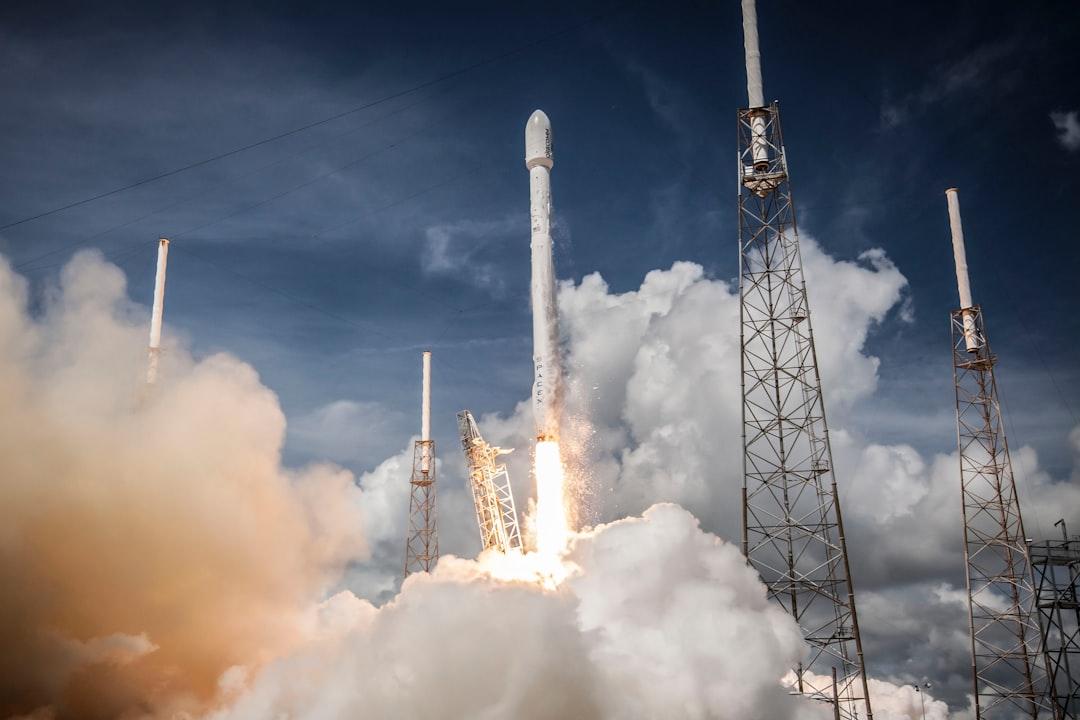
SpaceX is gearing up for another high-octane launch event as the aerospace giant prepares to deploy the Transporter-17 mission. Scheduled for early July 7, the Falcon 9 rocket is set to carry 81 distinct satellites into low Earth orbit (LEO). This mission marks another significant achievement for the company’s dedicated rideshare program, which has revolutionized how small satellite operators access space by offering a reliable, cost-effective “bus service” to the stars.
As the private space sector continues to expand, the demand for affordable orbital access has skyrocketed. Transporter-17 is designed to meet this need by aggregating payloads from a wide array of international customers, including government agencies, private corporations, and academic research institutions. By bundling these small satellites onto a single launch vehicle, SpaceX maximizes the utility of its Falcon 9 fleet while reducing the financial barrier to entry for smaller space-faring organizations.
The Falcon 9 rocket remains the workhorse of the modern space age. For the Transporter-17 mission, SpaceX will utilize a flight-proven first-stage booster, a hallmark of the company’s commitment to reusability. By recovering and relaunching these boosters, SpaceX has drastically lowered the cost of spaceflight, making frequent missions like Transporter-17 economically viable.
The 81 satellites aboard this mission represent a cross-section of current space technology. The payloads include:
- Earth Observation Satellites: Designed to monitor climate change, track deforestation, and assist in agricultural planning.
- Telecommunications Nodes: Small-scale arrays aimed at improving global connectivity and testing next-generation satellite-to-ground communication protocols.
- Academic Experiments: Student-led projects focusing on space weather, microgravity material testing, and orbital debris mitigation.
- Technology Demonstrators: Prototype sensors and propulsion systems intended to pave the way for future long-duration space missions.
Before the rise of the Transporter program, small satellite operators often faced the daunting prospect of waiting years for a secondary spot on a large government or military launch. The unpredictability of these "piggyback" opportunities made it difficult for companies to plan their business models or research timelines.
SpaceX changed the game by formalizing the rideshare model. By committing to a regular, reliable cadence of launches, the company has provided a predictable roadmap for the global space industry. This consistency is essential for the growth of the "New Space" economy, where hundreds of companies are now developing constellations that require frequent replenishment and upgrades.
The launch is currently slated for the early hours of July 7. Spectators and industry analysts alike will be watching closely as the Falcon 9 clears the pad at Cape Canaveral Space Force Station. Following liftoff, the first-stage booster will attempt a precision landing back at the launch site, a maneuver that has become routine yet remains a marvel of engineering precision.
Following the boost-back, the second stage will proceed to deploy the 81 payloads in a carefully choreographed sequence. The deployment process is a complex ballet of orbital mechanics, ensuring that each satellite reaches its intended sun-synchronous orbit without the risk of collision or interference with other payloads.
As SpaceX continues to refine its launch cadence, the Transporter missions serve as a testing ground for high-frequency operations. With the Starlink constellation growing and the Transporter program becoming a staple of the industry, the company is effectively normalizing routine access to space.
For those interested in the progress of the mission, SpaceX will provide a live webcast beginning approximately 15 minutes before liftoff. The stream will offer a detailed look at the telemetry, the stage separation, and the final deployment of the satellite stack. As we head into the second half of the year, missions like Transporter-17 serve as a reminder that the final frontier is becoming increasingly crowded, accessible, and essential to our daily lives on Earth.
Enjoying this article?
Get the daily AI briefing sent straight to your inbox.
Frequently Asked Questions
What is the Transporter-17 mission?
Transporter-17 is a SpaceX rideshare mission designed to launch dozens of small satellites into orbit simultaneously for various international clients.
When is the SpaceX Falcon 9 Transporter-17 launch?
The launch is currently scheduled for early July 7, departing from the Cape Canaveral Space Force Station.
Why does SpaceX use rideshare missions?
Rideshare missions allow multiple small satellite operators to share the cost of a single launch, making it more affordable and predictable to access space.
Comments
0Please sign in to leave a comment.
Related articles
Gemstones in the Clouds: Scientists Discover Exotic Weather on WASP-193b
Astronomers have identified potential gemstone-like particles in the atmosphere of WASP-193b, an ultra-low-density exoplanet that defies conventional physics.
Why Can You See the Moon During the Day? A Guide to Daytime Stargazing
Ever wondered why the Moon is visible during daylight hours? Experts explain the mechanics of lunar orbits and why this week offers prime viewing opportunities.
SpaceX Thrusters and the Tesla Roadster: A Deep Dive into Orbital Dynamics
Years after its historic launch, the Tesla Roadster remains a fixture in space lore. Recent developments in thruster technology have reignited interest in its trajectory.