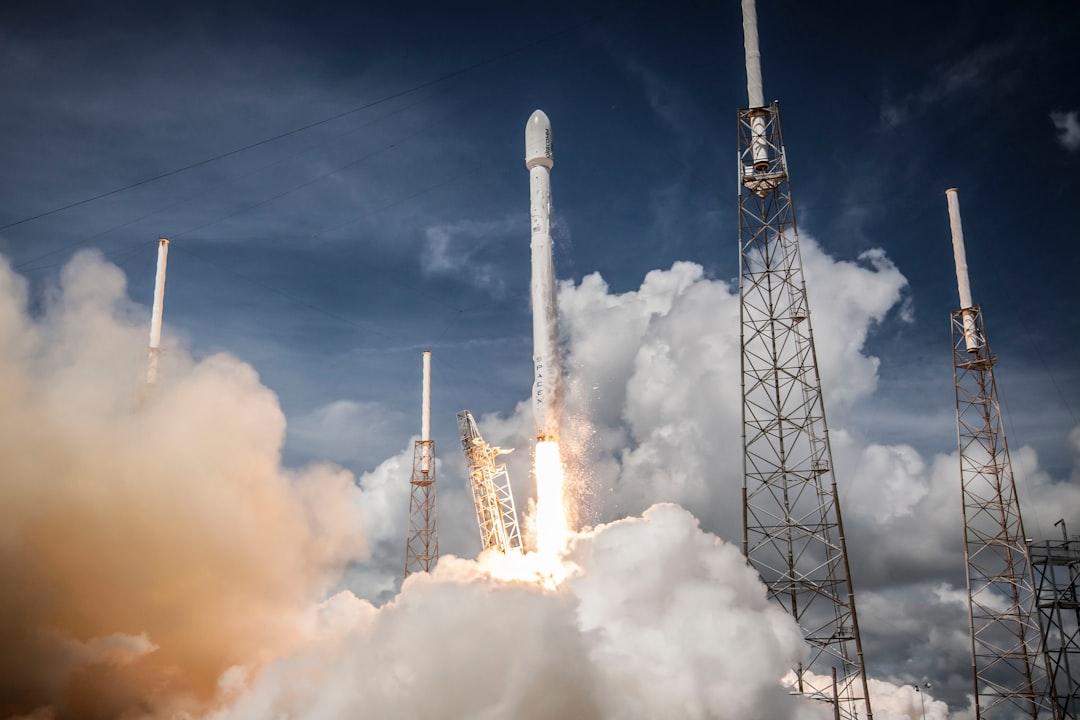
- SpaceX aborted a Falcon 9 launch for the second time in a row at Vandenberg Space Force Base.
- The abort was triggered by the rocket's automated flight computer, which detected an anomaly during the final countdown.
- Automated aborts are a safety feature designed to prevent vehicle damage and mission failure.
- These delays are part of a rigorous testing and safety process that ensures long-term operational success.
SpaceX Falcon 9 Abort: Why Safety Protocols Are Prioritizing Mission Success
A rare back-to-back abort sequence at Vandenberg Space Force Base highlights the rigorous automated safety checks embedded in SpaceX’s launch architecture.
Jul 20, 2026·0 views
Key Takeaways
In the high-stakes world of aerospace, the line between a successful deployment and a costly hardware failure is often measured in milliseconds. This week, SpaceX once again demonstrated that its automated systems remain the final arbiter of mission readiness, as a Falcon 9 rocket aborted its launch sequence at the very last second for the second time in consecutive attempts.
The mission, intended to carry a batch of Starlink satellites into low-Earth orbit from Vandenberg Space Force Base in California, was halted just moments before liftoff. While spectators and space enthusiasts often view these "scrubs" as setbacks, industry experts at Imai News characterize them as evidence of a highly mature safety protocol that refuses to compromise, even under the pressure of a tight launch cadence.
SpaceX’s Falcon 9 launch vehicle is equipped with a sophisticated array of sensors and computers designed to monitor every critical parameter of the rocket. These systems operate on a "fail-safe" philosophy. If any sensor reports data outside of the pre-programmed nominal range—be it pressure in a propellant tank, a temperature variance in an engine component, or a communication lag with ground support—the flight computer will automatically trigger an abort.
In this specific instance at Vandenberg, the abort occurred during the final seconds of the countdown. This is the stage where the vehicle transitions from external ground power to internal battery power, and the engine ignition sequence begins. When the computer detects an anomaly at this stage, it immediately shuts down the flow of propellants, preventing the engine ignition and ensuring the vehicle remains in a safe, stable state on the pad.
- Risk Mitigation: By aborting, SpaceX avoids the catastrophic risk of a launch failure that could destroy both the vehicle and the expensive satellite payload.
- Hardware Preservation: Shutting down before ignition prevents thermal stress on the Merlin engines, allowing for a quicker turnaround for the next attempt.
- Data Collection: Every abort generates a wealth of telemetry data, helping engineers refine the software and hardware thresholds for future flights.
SpaceX has set an unprecedented pace for orbital launches, often conducting multiple missions per week across its various launch sites in Florida and California. This high-cadence operational model relies on the repeatability of the Falcon 9 rocket. However, even with the most reliable hardware in the world, the environment of spaceflight is inherently volatile.
When a rocket fails to launch twice in a row due to automated aborts, it indicates that the automated safety "tripwires" are functioning exactly as intended. In the early days of space exploration, human controllers often had to make split-second decisions that were prone to error. Today, the Falcon 9’s computer acts as a tireless, emotionless observer that prioritizes the health of the rocket above the schedule of the launch.
Following a scrubbed launch, the standard procedure involves a "safing" of the vehicle. Ground crews must drain propellants, conduct a thorough inspection of the rocket’s systems, and review the telemetry data captured by the flight computer. This process is not a sign of failure, but a standard operational procedure that ensures the rocket is ready to fly again.
For the Starlink project, these delays are manageable. With a constellation numbering in the thousands, the loss of one specific launch window does not threaten the service's global connectivity goals. Instead, it serves as a reminder that space remains a difficult domain, and even for the most successful private space company in history, success is never guaranteed until the first stage reaches its landing zone and the satellites are safely in their target orbit.
As the industry looks toward the next attempt, the focus remains on the reliability of the Falcon 9 fleet. For SpaceX, the goal is not just to launch often, but to launch safely. As long as the automated systems continue to catch potential issues before they become disasters, the company will maintain its reputation as the gold standard in modern commercial spaceflight.
Enjoying this article?
Get the daily AI briefing sent straight to your inbox.
Frequently Asked Questions
Why did the SpaceX rocket abort its launch?
The rocket's automated safety systems triggered an abort because the flight computer detected an anomaly in the data parameters during the final seconds of the countdown.
Is a launch abort considered a failure for SpaceX?
No, an abort is considered a successful demonstration of the rocket's safety protocols, preventing potential hardware damage or mission failure.
How do these aborts affect the Starlink mission schedule?
While the launch is delayed, the mission remains viable. SpaceX will inspect the rocket, analyze the telemetry data, and reschedule the launch once the issue is resolved.
Comments
0Please sign in to leave a comment.
Related articles

Gemstones in the Clouds: Scientists Discover Exotic Weather on WASP-193b
Astronomers have identified potential gemstone-like particles in the atmosphere of WASP-193b, an ultra-low-density exoplanet that defies conventional physics.
Why Can You See the Moon During the Day? A Guide to Daytime Stargazing
Ever wondered why the Moon is visible during daylight hours? Experts explain the mechanics of lunar orbits and why this week offers prime viewing opportunities.
SpaceX Thrusters and the Tesla Roadster: A Deep Dive into Orbital Dynamics
Years after its historic launch, the Tesla Roadster remains a fixture in space lore. Recent developments in thruster technology have reignited interest in its trajectory.