- Scientists believe they've identified why defecating in space is difficult: the absence of gravity prevents proper separation of solid waste and gas.
- On Earth, gravity helps stratify rectal contents, making expulsion easier; in microgravity, this doesn't occur, leading to increased effort.
- This understanding could lead to improved space toilet designs and physiological countermeasures for astronauts.
- The research uses fluid dynamics and computational modeling to simulate rectal conditions in different gravitational environments.
Space Poop Mystery Solved? Scientists Uncover Gravity's Role
Years of anecdotal astronaut reports about difficult defecation in microgravity may finally have a scientific explanation, thanks to new research exploring the physics of waste management in space.
Aug 18, 2026·0 views
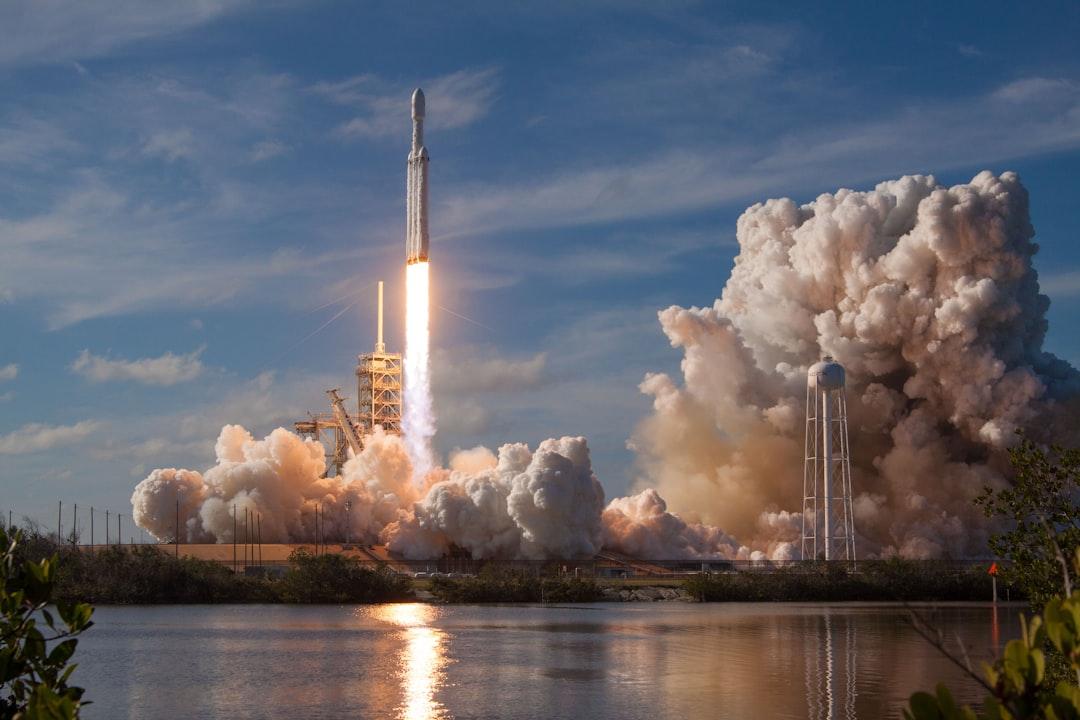
Key Takeaways
For decades, astronauts venturing beyond Earth's atmosphere have encountered a peculiar and persistent challenge: the simple act of defecating in space is remarkably difficult. While groundbreaking advancements have propelled humanity to the moon and beyond, the fundamental biological process of waste elimination has remained a surprisingly thorny issue. Anecdotal evidence from countless missions has painted a consistent picture – space poop is a struggle. Now, scientists may be on the verge of understanding precisely why this intimate human function becomes so complicated when gravity is taken out of the equation.
Previous attempts to address this issue in space have largely focused on the engineering of specialized toilets. These devices aim to create a vacuum to suck waste away from the body, a necessary workaround for the absence of downward gravitational pull. However, these solutions often proved cumbersome, inefficient, and sometimes even unpleasant for the astronauts using them. The core problem, however, wasn't just the collection of waste, but the very mechanics of expulsion itself. It turns out, the force we take for granted on Earth – gravity – plays a far more intricate role in our digestive processes than we might typically consider.
A recent study, detailed in scientific publications, proposes a compelling hypothesis that sheds new light on this persistent problem. The research suggests that gravity is not merely a passive force that pulls waste downwards, but an active participant in the final stages of defecation. On Earth, gravity assists in the process by helping to separate solid waste from the surrounding gases within the rectum. This separation is crucial for efficient and comfortable elimination.
Without this gravitational assistance in microgravity, the study posits that gas and solid waste are more likely to remain mixed. This mixture can lead to a feeling of incomplete evacuation and a significant increase in the effort required to expel waste. Imagine trying to push something out when it's not being naturally urged downwards – the process becomes significantly more challenging and requires a different, more strenuous physiological response.
To understand this phenomenon, researchers have turned to fluid dynamics and computational modeling. They've simulated the conditions within the human rectum in both Earth's gravity and microgravity. These simulations have revealed critical differences:
- On Earth: Gravity helps to create distinct layers within the rectal contents, with heavier solids settling below lighter gases. This stratification makes the expulsion process more straightforward.
- In Space (Microgravity): Without gravity, the distinction between gas and solid waste is blurred. They tend to remain intermingled, making it difficult for the body to effectively push the solids out.
The researchers have found that this lack of stratification is a key factor. The human body is accustomed to the gravitational cues and biomechanics of Earth. Adapting to a scenario where these cues are absent requires a different approach, one that astronauts have struggled to master without a clear understanding of the underlying physics.
This newfound understanding has significant implications for long-duration space missions, such as potential journeys to Mars. As humans spend more time in space, the comfort and efficiency of basic bodily functions become increasingly important for crew morale and overall mission success. Addressing this issue could lead to:
- Improved Toilet Design: Future spacecraft toilets could be engineered with a deeper understanding of the physics involved, potentially leading to more effective and less frustrating waste management systems.
- Physiological Countermeasures: Scientists might explore ways to help astronauts' bodies adapt or to develop countermeasures that assist in the defecation process in microgravity.
- Enhanced Crew Well-being: By solving this fundamental, albeit unglamorous, problem, the quality of life for astronauts on extended missions could be significantly improved, reducing stress and discomfort.
The study highlights that while space exploration pushes the boundaries of human ingenuity, even the most basic biological necessities require careful consideration and scientific investigation. The mystery of space poop, long a source of hushed jokes and astronaut complaints, is finally yielding to scientific inquiry, paving the way for more comfortable and successful future voyages into the cosmos.
Enjoying this article?
Get the daily AI briefing sent straight to your inbox.
Frequently Asked Questions
Why is it harder to poop in space compared to Earth?
It's harder to poop in space primarily because of the absence of gravity. On Earth, gravity assists in separating solid waste from gases in the rectum, making expulsion easier. In microgravity, this separation doesn't happen effectively, leading to mixed waste and increased difficulty.
What role does gravity play in defecation on Earth?
On Earth, gravity plays an active role by helping to pull solid waste downwards and separate it from gases within the rectum. This natural stratification makes the process of defecation more straightforward and less effortful.
How does the lack of gravity affect waste in the human body?
In microgravity, the absence of gravitational pull means that solid waste and gases do not separate as they do on Earth. They tend to remain mixed, which can create a sensation of incomplete evacuation and requires more physical effort to expel.
Comments
0Please sign in to leave a comment.
Related articles
Gemstones in the Clouds: Scientists Discover Exotic Weather on WASP-193b
Astronomers have identified potential gemstone-like particles in the atmosphere of WASP-193b, an ultra-low-density exoplanet that defies conventional physics.
Why Can You See the Moon During the Day? A Guide to Daytime Stargazing
Ever wondered why the Moon is visible during daylight hours? Experts explain the mechanics of lunar orbits and why this week offers prime viewing opportunities.
SpaceX Thrusters and the Tesla Roadster: A Deep Dive into Orbital Dynamics
Years after its historic launch, the Tesla Roadster remains a fixture in space lore. Recent developments in thruster technology have reignited interest in its trajectory.