- Serie A is seeing a tactical resurgence but remains hampered by outdated infrastructure.
- The 1990s 'Football Italia' era set a high bar for global prestige that the league currently struggles to match financially.
- Bureaucratic red tape in Italy prevents the construction of modern, revenue-generating stadiums.
- Modernizing stadiums and ownership models is critical for Serie A to compete with the Premier League and other top-tier leagues.
Serie A’s Renaissance: Why Italy’s Football Legacy Needs Modern Infrastructure
From the golden era of Channel 4’s 'Football Italia' to the current tactical revival, Italy faces a critical infrastructure hurdle in its quest for global dominance.
Jul 14, 2026·0 views
Key Takeaways
For football fans who came of age in the 1990s, the mention of Football Italia evokes a specific, golden memory. It was an era where the world’s best talent—from Gabriel Batistuta to Roberto Baggio—graced the pitches of the Italian peninsula. Lorenzo Bettoni, host of the Football Italia Summer Show, recently sat down with Jonathan Grade, the legendary producer behind Channel 4’s iconic broadcasts, to dissect what made that period so transformative for the sport.
During this time, Serie A was not just a league; it was a cultural phenomenon. The production quality, the tactical depth, and the sheer star power turned the Italian top flight into the undisputed center of the footballing universe. However, as the conversation between Bettoni and Grade highlights, the nostalgia of the 90s serves as a sharp contrast to the structural realities of the modern Italian game.
Despite the challenges that have plagued the league over the last two decades, Serie A is currently experiencing a tactical renaissance. Italian clubs have become increasingly competitive on the European stage, with several teams reaching major continental finals in recent seasons. This resurgence is driven by a new generation of coaches who are blending traditional Italian defensive discipline with high-pressing, modern attacking philosophies.
Yet, the product on the pitch is only half the battle. While the coaching quality in Italy remains among the highest in the world, the league’s global reach is often stifled by factors that have little to do with the 90 minutes played on the pitch. The contrast between the aesthetic beauty of Italian football and the decaying state of its venues is a central point of contention for both domestic fans and international investors.
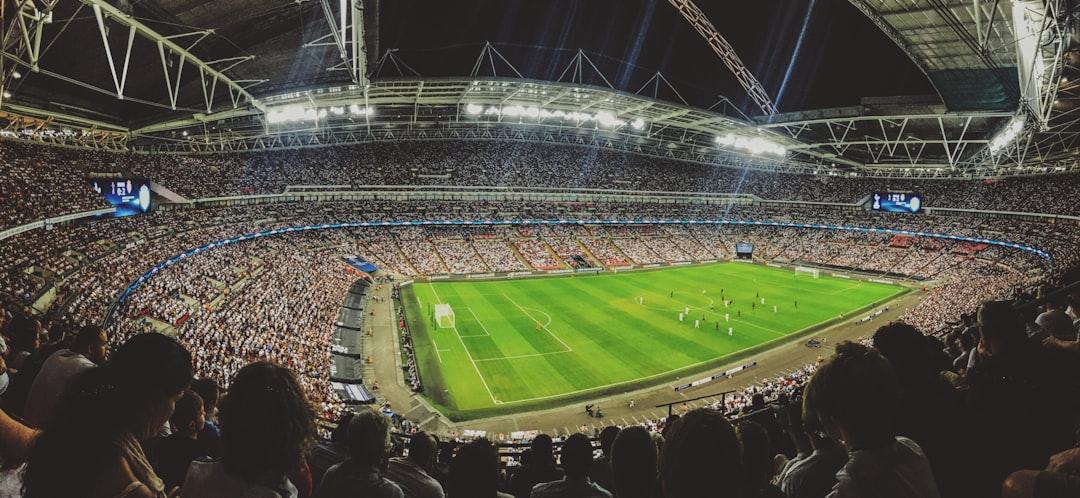
If Italy wants to return to the undisputed summit of world football, it must address its "stadium problem." Unlike the Premier League in England or the Bundesliga in Germany, most Serie A clubs play in municipal stadiums that are decades old. These facilities often lack the modern amenities—such as luxury suites, high-speed connectivity, and commercial hubs—that are necessary to generate the revenue required to compete with the financial giants of the sport.
Several factors contribute to this stagnation:
- Bureaucratic Red Tape: Obtaining permits to renovate or build new stadiums in Italy is notoriously difficult due to complex zoning laws and historical preservation regulations.
- Ownership Models: Many clubs still rely on traditional ownership structures that lack the private equity backing seen in other major European leagues.
- Fan Experience: Aging infrastructure leads to poor sightlines and limited comfort, which deters families and international tourists from attending matches in person, impacting the league’s overall brand appeal.
Jonathan Grade noted during the interview that the passion of the Italian fan base is still as intense as it was during the 90s. The challenge for the current leadership of the Lega Serie A is to channel that passion into a sustainable business model. The league has begun to embrace modern digital strategies, seeking to reach younger audiences through social media and improved broadcasting deals, but these efforts are only a stopgap if the physical foundation of the sport is not modernized.
For Serie A to truly enter a "new" golden age, it must evolve beyond the romanticism of its past. The talent is there, the tactical acumen is undeniable, and the history is etched into the DNA of the sport. However, the future of Italian football will be decided by its ability to modernize its infrastructure, attract foreign investment, and navigate the complex political landscape that has held it back for too long.
As the sport continues to evolve globally, Italy stands at a crossroads. Will it continue to rely on the fading echoes of the 90s, or will it finally undertake the necessary structural reforms to compete in the modern era? The answer to that question will determine whether Serie A remains a historic relic or transforms once again into the world's premier footballing destination.
Enjoying this article?
Get the daily AI briefing sent straight to your inbox.
Frequently Asked Questions
Why is Serie A struggling despite having high-quality teams?
While Italian clubs are tactically strong, the league suffers from aging municipal stadiums and bureaucratic hurdles that limit commercial revenue compared to other European leagues.
What was the 'Football Italia' era?
It refers to the 1990s period when Serie A was considered the most prestigious and star-studded football league in the world, famously broadcast in the UK by Channel 4.
Comments
0Please sign in to leave a comment.
Related articles
FC Barcelona Targets Julian Alvarez: The €100M Strategy for World Cup Glory
FC Barcelona is doubling down on its pursuit of Julian Alvarez, preparing a strategic bid that balances ambition with fiscal responsibility.
Why Oasis’ Wonderwall Has Become the Unofficial Anthem for England’s Footballers
Decades after its release, Oasis’ 'Wonderwall' is cementing its status as the ultimate rallying cry for the England national team.
Real Madrid Eyes High-Profile Pre-Season Friendly Against Schalke 04
Real Madrid's pre-season campaign is heating up with rumors of a marquee friendly against Bundesliga side Schalke 04.