- The San Siro is celebrating its 100th anniversary amidst deep uncertainty regarding its future.
- AC Milan and Inter Milan find the aging stadium's infrastructure limits their ability to generate modern commercial revenue.
- Conflict exists between preserving the historic stadium and building new, efficient facilities.
- The city of Milan is caught between heritage conservation and the economic demands of its two major football clubs.
San Siro at 100: The Uncertain Future of Football’s Most Iconic Cathedral
As Milan’s legendary stadium marks its centenary, clubs and city officials face a difficult choice between preservation and progress.
Sep 19, 2026·0 views
Key Takeaways
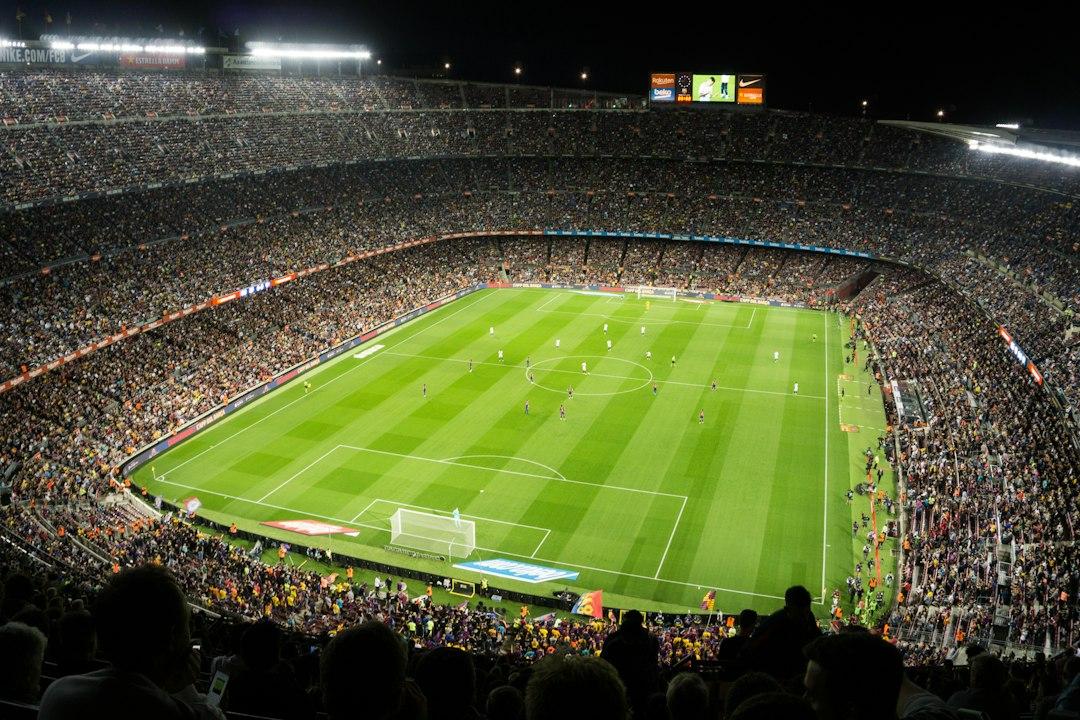
Standing as a concrete colossus on the western edge of Milan, the Stadio Giuseppe Meazza—universally known as the San Siro—has reached a monumental milestone: its 100th anniversary. Since its inauguration in 1926, the stadium has served as the heartbeat of Italian football, witnessing legendary clashes, World Cup triumphs, and the rise of global superstars. However, as the candles are blown out on this centenary celebration, the atmosphere is less one of nostalgia and more one of existential anxiety.
Recent events, including the hosting of the Winter Olympics opening ceremony, have showcased the venue's enduring majesty. Yet, behind the scenes, the narrative is shifting. The very architecture that once defined modern stadium design is now increasingly viewed as a relic of a bygone era, sparking an intense debate among city officials, club executives, and the passionate supporters who call the stadium home.
For AC Milan and Inter Milan, the San Siro is both a prestigious home and a significant commercial burden. In the modern era of professional football, revenue is driven by hospitality suites, premium seating, and year-round utilization—areas where the current San Siro structure struggles to compete with state-of-the-art facilities in England, Germany, and the United States.
- Infrastructure Constraints: The stadium’s aging foundation makes extensive retrofitting both technically challenging and prohibitively expensive.
- Regulatory Hurdles: Italian heritage laws often protect historical landmarks, complicating efforts to demolish or significantly alter the site.
- Revenue Gaps: Compared to modern arenas, the San Siro lacks the high-end commercial spaces necessary to compete with the financial powerhouses of the Premier League.
Both clubs have long argued that the current footprint is insufficient for 21st-century demands. While the city of Milan is keen to preserve the site as a cultural landmark, the clubs are increasingly looking toward building new, purpose-built stadiums on the outskirts of the city, potentially leaving the San Siro to face an uncertain future of obsolescence.
The prospect of abandoning the San Siro has ignited fierce opposition among local residents and traditionalists. Many fans argue that the stadium is not just a building, but a living museum of football history. The distinctive spiral ramps and the steep, intimidating tiers provide an atmosphere that no modern, sterile arena can replicate.
However, the economic reality is stubborn. The city is currently exploring a potential renovation plan that would keep both teams in the stadium, but the clubs remain skeptical. The logistical nightmare of playing matches in a venue that is simultaneously undergoing a multi-year, multi-million euro reconstruction is a prospect that neither management team is eager to entertain.
As the debate enters its next phase, the spotlight turns to the municipal government. The potential demolition of the San Siro would be a global shockwave, signaling that even the most hallowed grounds are not immune to the ruthless economics of modern sports entertainment.
If the clubs proceed with plans to build new stadiums elsewhere, the San Siro could be repurposed into a smaller community venue or a museum, but such plans remain speculative. For now, the "Scala del Calcio" (The Opera House of Football) remains standing, holding its breath as the city decides whether to honor its past or embrace a future that may not include its most famous structure.
Ultimately, the story of the San Siro is a microcosm of a larger trend in global sports: the tension between preserving the soul of the game and the relentless drive for commercial optimization. Whether it survives another century or is relegated to the history books, the San Siro remains a testament to the enduring power of football to define a city’s identity.
Enjoying this article?
Get the daily AI briefing sent straight to your inbox.
Frequently Asked Questions
Is the San Siro being demolished?
There is no confirmed plan to demolish the San Siro yet, though AC Milan and Inter Milan are exploring options for new stadiums due to the limitations of the current venue.
Why is the San Siro considered iconic?
The San Siro is considered iconic due to its 100-year history, its unique architectural design, and its status as the shared home of two of the world's most successful football clubs.
Comments
0Please sign in to leave a comment.
Related articles
Anderlecht Crisis Deepens: Vitor Bruno Under Fire After Shock Cup Exit
Anderlecht’s early exit from the Belgian Cup at the hands of Beerschot has left fans and management questioning the club's current trajectory under Vitor Bruno.
Cádiz CF Parts Ways With Albert Celades Following Dismal Run of Form
Cádiz CF has announced the immediate dismissal of head coach Albert Celades after a series of disappointing results left the club in a precarious position.
Mikel Arteta Praises Noni Madueke’s Impact in Dramatic Victory
Noni Madueke emerged as the hero for Arsenal, delivering a late winner that left Mikel Arteta praising his 'special' contribution against Nottingham Forest.