- The San Siro stadium celebrated its 100th anniversary on September 19, 2026.
- The venue is currently facing significant maintenance challenges due to its aging infrastructure.
- City officials and clubs are pursuing plans for a modern stadium project slated for 2030.
- The debate continues over preserving the historic venue versus building a new, economically sustainable facility.
San Siro at 100: A Century of Football History and a Future in Flux
As the Stadio Giuseppe Meazza marks its centennial, Milan looks toward a new stadium era by 2030.
Sep 19, 2026·0 views
Key Takeaways
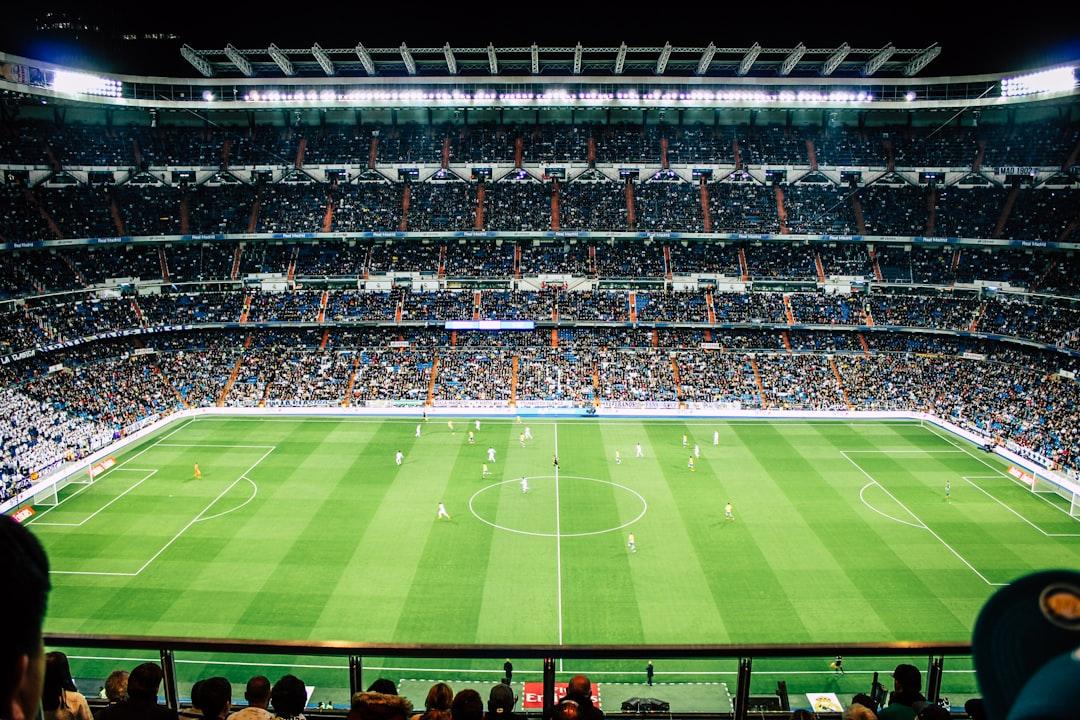
On September 19, 1926, the landscape of Italian football changed forever with the inauguration of the Stadio San Siro. Originally built to house AC Milan, the stadium was a gift to the city from then-president Piero Pirelli. One hundred years later, the venue stands as a global monument to the sport, having hosted countless Serie A clashes, European Cup finals, and World Cup matches. Known as the 'Scala del Calcio,' or the 'Opera House of Football,' it has evolved from a small English-style arena into the massive, multi-tiered concrete giant that dominates the Milanese skyline today.
As the stadium celebrates its centenary, the atmosphere is bittersweet. While fans and historians reflect on legendary nights featuring iconic players like Paolo Maldini, Giuseppe Meazza, and Marco van Basten, the reality of the stadium’s aging infrastructure looms large. The structure, which underwent significant expansion for the 1990 FIFA World Cup, is now at a crossroads.
The San Siro is not just a stadium; it is a living timeline of engineering. Its original design was focused on intimacy, with four separate stands that could hold roughly 35,000 spectators. Over the decades, the stadium saw multiple expansions that pushed its capacity toward the 80,000 mark. The most recognizable feature—the eleven iconic cylindrical towers and the massive roof structure—was added during the 1990 renovation, giving the stadium its futuristic, spaceship-like appearance.
However, maintaining a century-old structure of this magnitude in the modern era presents significant challenges. Modern safety standards, accessibility requirements, and the demand for premium hospitality suites have left the current facility struggling to compete with newer, purpose-built venues across Europe. The maintenance costs are mounting, and the city of Milan, alongside AC Milan and Inter Milan, has spent years debating whether to renovate or rebuild.
The current proposal for a new stadium in the San Siro district aims to modernize the fan experience while maintaining the area’s historic connection to football. Plans are currently underway to potentially construct a new, state-of-the-art facility in the immediate vicinity of the existing site. The goal is to have this new arena ready for the turn of the decade, aligning with broader city development plans for 2030.
This transition is not without controversy. Supporters of the existing stadium argue for the preservation of its heritage, suggesting that the 'Meazza' is an irreplaceable part of Milan’s cultural fabric. Conversely, club executives emphasize that for both AC Milan and Inter Milan to remain competitive on the global stage, they must transition to a venue that offers year-round revenue streams, improved public transit links, and advanced fan engagement technology.
As the city looks toward 2030, the challenge lies in honoring the legacy of the past while building for the future. The conversation has shifted from purely aesthetic concerns to economic sustainability. Modern stadiums are no longer just for match days; they are entertainment hubs that host concerts, corporate events, and tech-driven fan experiences.
Key aspects of the 2030 vision include:
- Sustainability: Incorporating green technology to reduce the carbon footprint of the new arena.
- Connectivity: Integrating the stadium into the urban fabric with better metro and public transport access.
- Fan Experience: Implementing cutting-edge digital infrastructure for AR-enhanced viewing and real-time statistics.
- Community Space: Creating a district that provides parks and recreational facilities for the local community, not just football fans.
Regardless of whether the original structure is repurposed or if a new arena rises, the San Siro remains a testament to the passion of Italian football. As the centenary celebrations conclude, the focus now shifts to the next hundred years, ensuring that Milan remains at the epicenter of world football.
Enjoying this article?
Get the daily AI briefing sent straight to your inbox.
Frequently Asked Questions
How old is the San Siro stadium?
The San Siro stadium celebrated its 100th anniversary on September 19, 2026, having been inaugurated in 1926.
Is the San Siro being demolished for a new stadium?
There are ongoing plans to develop a new stadium in the San Siro district by 2030, though the exact future of the current structure remains a topic of debate between the city and the clubs.
Comments
0Please sign in to leave a comment.
Related articles
Guernsey FC's Resilient Comeback Extends Winning Streak
Guernsey FC demonstrated impressive resilience, battling back from an early deficit to secure a vital 2-1 victory against Little Common. Manager Tony Vance lauded his side's 'character' as they continued their strong run of form, highlighting the mental fortitude crucial for their season's ambitions.
Champions Cup Opening Round: English Rugby Clubs Face Stinging Defeat, One Lone Success
The opening round of the Champions Cup delivered a stark wake-up call for English rugby, as a staggering seven out of eight Premiership entrants failed to secure a win. This analysis delves into the factors behind the widespread struggle and what it means for the tournament ahead.
Sevilla Boss Lashes Out at Officiating Following 4-1 Real Madrid Defeat
Sevilla manager Luis Garcia Plaza has publicly condemned the officiating in his side’s 4-1 loss to Real Madrid, claiming the referee robbed his team of a fair result.