- Lazard's 19th LCOE report confirms renewable energy is cheaper than fossil fuels.
- Wind and solar projects offer significantly faster deployment speeds than traditional energy infrastructure.
- The primary bottleneck for renewable growth is now grid interconnection and regulatory permitting, not technology.
- Economic and speed advantages are driving a shift in how utilities and tech companies plan for energy capacity.
Renewable Energy Outpaces Fossil Fuels in Speed-to-Power Race
Lazard’s latest analysis reveals that wind and solar are not just cheaper, but faster to deploy than traditional energy sources.
Jul 13, 2026·0 views
Key Takeaways
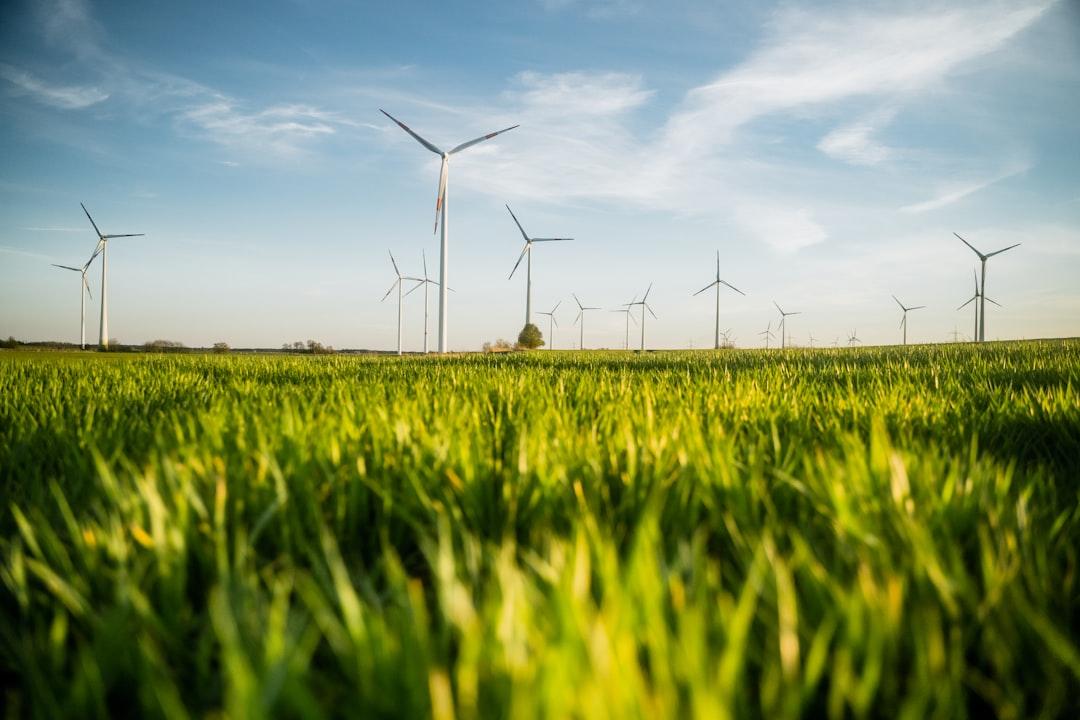
For decades, the energy sector has been locked in a debate over the reliability and economic viability of green energy compared to legacy fossil fuel systems. However, the 19th edition of the 'Levelized Cost of Energy+' (LCOE) report from global asset management giant Lazard has provided definitive evidence that the argument has shifted. Renewable energy, specifically wind and solar, is now decisively outperforming traditional coal and natural gas plants, not just in long-term cost, but in the critical metric of speed-to-power.
As global demand for electricity surges, driven by the rapid expansion of artificial intelligence data centers and the electrification of the automotive industry, the ability to bring new power capacity online quickly has become a strategic necessity. Lazard’s latest findings indicate that the deployment cycle for solar and wind projects has become significantly more efficient than the multi-year, often decade-long, construction timelines required for fossil fuel infrastructure.
In the past, critics of renewable energy often pointed to intermittency and grid instability as primary hurdles. While storage solutions continue to evolve, the speed-to-power advantage is changing the narrative. When a utility company or an independent power producer needs to add gigawatts to the grid, the bureaucratic and physical construction lead times for a coal-fired plant are prohibitive. Conversely, utility-scale solar and onshore wind projects can be scaled modularly and brought online in phases.
This 'time-to-market' advantage means that renewables can respond to economic signals and energy shortages with far greater agility. In an era where AI-driven tech companies are scouting locations for data centers, the ability to build renewable capacity in tandem with new infrastructure is becoming a competitive advantage for regions looking to attract high-tech investment.
Lazard’s LCOE analysis remains the gold standard for comparing the cost of energy production across different technologies. By accounting for capital costs, fuel costs, operating expenses, and efficiency, the report provides a 'levelized' figure that allows for an apples-to-apples comparison. The latest data confirms:
- Capital Efficiency: The capital expenditure required per megawatt of capacity is lower for solar and wind than for new-build coal or gas.
- Fuel Price Stability: Unlike fossil fuels, which are subject to global commodity market volatility, solar and wind have zero fuel costs once the infrastructure is operational.
- Operational Longevity: Improvements in turbine and photovoltaic efficiency have extended the useful life of renewable assets, further lowering the cost per megawatt-hour (MWh) over time.
While the technology is ready and the economics are favorable, the industry still faces significant hurdles. The report notes that while wind and solar are faster to build, the limiting factor is often the transmission grid. Interconnection queues—the administrative and engineering processes required to connect new power sources to the national grid—are currently the biggest bottleneck in the United States and abroad.
Policymakers are increasingly recognizing that the speed advantage of renewables is currently being stifled by outdated permitting laws. If governments can streamline the regulatory framework for grid expansion, the 'speed-to-power' gap between renewables and fossil fuels will widen even further, effectively rendering new fossil fuel investment economically redundant.
As we look toward 2030 and beyond, the transition to a greener grid is no longer a matter of environmental policy alone; it is a matter of economic survival. With Lazard’s data confirming the superior speed and cost-effectiveness of wind and solar, the transition is moving from a trend to an inevitability. Investors, tech giants, and utility providers are aligning their capital with these findings, signaling the beginning of the end for the traditional fossil-fuel-heavy energy era.
Enjoying this article?
Get the daily AI briefing sent straight to your inbox.
Frequently Asked Questions
What is the LCOE report by Lazard?
The Levelized Cost of Energy (LCOE) report is an annual industry-standard analysis that compares the total cost of building and operating various electricity-generating technologies over their lifetime.
Why are wind and solar faster to deploy than fossil fuels?
Wind and solar projects are modular and require less complex, long-term construction compared to traditional coal or gas plants, which often face years of regulatory and physical construction delays.
Comments
0Please sign in to leave a comment.
Related articles
Tesla Driver Asleep at Wheel in Crash Involving California Highway Patrol
Federal regulators and local authorities are investigating a serious Tesla collision in Fairfield, California, after a driver admitted to sleeping with FSD engaged.

Volkswagen Expands ID. Cross Lineup with New 37 kWh Battery Option
Volkswagen has introduced a new 37 kWh battery option for the ID. Cross, aiming to lower the entry price point for city-focused electric vehicle buyers.

Tesla’s Next-Gen Roadster: Engineering Marvel or Marketing Hyperbole?
Is the new Tesla Roadster a legitimate leap in automotive engineering, or are its 'flying' capabilities merely a marketing stunt? We dive into the physics.