- France defeated Paraguay 1-0 in a controversial Round of 16 World Cup match.
- The match referee received a rare '1' rating from L'Équipe, signaling significant dissatisfaction with the officiating.
- Didier Deschamps maintained a neutral stance, refusing to publicly criticize the officiating.
- The incident has sparked a broader conversation about the consistency of refereeing standards in the 2026 tournament.
Referee Controversy Erupts After France’s 1-0 Win Over Paraguay
A rare '1' rating from L’Équipe highlights growing tensions over officiating standards at the 2026 FIFA World Cup.
Jul 5, 2026·0 views
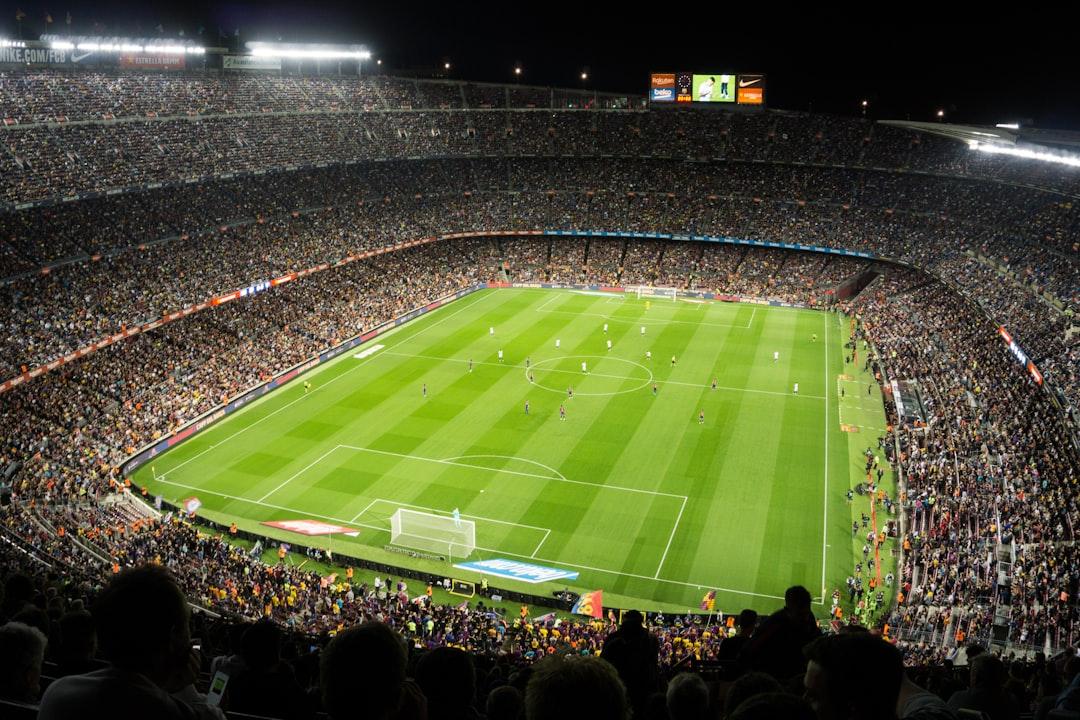
Key Takeaways
The 2026 FIFA World Cup has been a tournament defined by high-stakes drama and technological precision, but the Round of 16 clash between France and Paraguay has shifted the conversation toward the human element of the game. In a match that saw France edge out a 1-0 victory to secure a quarter-final spot, the headlines were stolen not by the goalscorer, but by the referee, who received a near-unprecedented '1' rating from the prestigious French publication L’Équipe.
Such a rating is a rarity in professional sports journalism, where officials are typically granted a degree of professional courtesy. However, the decision to award the lowest possible score reflects a deep-seated frustration regarding the consistency and management of the match. For fans and analysts alike, the performance served as a stark reminder that even in the age of VAR (Video Assistant Referee) and semi-automated offside technology, the referee remains the most controversial figure on the pitch.
Despite the external outcry, French head coach Didier Deschamps maintained a notably restrained demeanor during his post-match press conference. When asked to comment on the referee’s performance, Deschamps famously declined to offer criticism, choosing instead to focus on his team’s resilience in a high-pressure environment.
"I will not criticize the referee, nor will I criticize the circumstances of the game," Deschamps told reporters. His comments were interpreted by many as a tactical move to avoid potential disciplinary action from FIFA, as well as a way to keep his squad focused on the upcoming quarter-final. By refusing to engage in the controversy, Deschamps effectively shielded his players from the distraction of the officiating debate, though the silence from the French camp did little to dampen the firestorm in the global press.
L’Équipe’s decision to assign a score of 1 is more than just a critique; it is a statement on the integrity of the match proceedings. In the context of the 2026 World Cup, where officiating standards are held to a global microscope, such a rating suggests a systemic failure in game management. Several factors likely contributed to this harsh assessment:
- Inconsistent Disciplinary Action: The referee’s failure to maintain a consistent threshold for yellow cards, leading to a fragmented rhythm of play.
- Disputed VAR Interventions: Moments where the delay in technology usage halted the momentum of the game, frustrating both players and spectators.
- Lack of Communication: The perceived inability of the official to explain complex decisions to team captains, leading to visible agitation on the field.
As the 2026 FIFA World Cup progresses toward its final stages, the pressure on referees has never been higher. With the introduction of new AI-driven officiating tools designed to assist human referees, the expectation for perfection has grown exponentially. When a referee falls short of these expectations, it creates a narrative of 'human error' that threatens to overshadow the athletic achievements of the players.
For Paraguay, the loss is a bitter pill to swallow. Having held the French side to a single goal, the sense of 'what could have been' is amplified by the perception that the officiating was not up to the standard required for a tournament of this magnitude. Critics argue that when the referee becomes the central character in a World Cup knockout match, the sport suffers as a whole.
France now moves forward to the next round, but the shadow of this match will likely follow them. The challenge for FIFA moving forward will be to address these concerns regarding officiating transparency. With the eyes of the world on the tournament, ensuring that the best teams win based on merit—rather than the interpretation of a single official—remains the ultimate goal. For now, the football world waits to see if this controversial match will serve as a catalyst for reform in how referees are trained, evaluated, and held accountable in the closing stages of the 2026 campaign.
Enjoying this article?
Get the daily AI briefing sent straight to your inbox.
Frequently Asked Questions
Why did the referee receive a '1' rating from L'Équipe?
The rating reflects severe criticism of the referee's performance, citing inconsistent decision-making and poor game management during the France vs. Paraguay knockout match.
What was Didier Deschamps' reaction to the officiating?
Didier Deschamps chose not to criticize the referee publicly, prioritizing his team's focus on the upcoming quarter-final match.
Does this controversy affect France's standing in the 2026 World Cup?
No, France remains in the tournament and has advanced to the quarter-finals despite the external debate surrounding the officiating of their previous game.
Comments
0Please sign in to leave a comment.
Related articles
Jose Mourinho’s Tactical World Cup Scouting Mission for Real Madrid
Jose Mourinho is bypassing the traditional pre-season wait, utilizing the World Cup to scrutinize Real Madrid's talent pool for the upcoming campaign.
FC Metz Agree to Saudi Transfer Deal for Midfield Talent Alpha Touré
FC Metz has accepted a lucrative offer for young midfielder Alpha Touré, signaling a significant shift in the club's roster as they prepare for life in Ligue 2.
Alphonso Davies Faces Fan Backlash After Canada’s World Cup Exit
Alphonso Davies is facing intense criticism from Canadian fans following a disappointing Round of 16 exit at the World Cup, sparking a debate over player priorities.