- Raphinha secured a rare 10/10 rating, showcasing a complete evolution into a world-class leader and playmaker.
- Lamine Yamal continues his historic trajectory with a 9/10 performance, proving pivotal for both Barcelona and Spain's 2026 prospects.
- Hansi Flick's tactical shift toward high-intensity verticality has revitalized Barcelona's domestic and European standing.
- The victory at Sevilla underlines the growing importance of transition speed over traditional possession-based football.
Raphinha and Yamal Masterclass: Barcelona’s Statement Victory and the Global Shift in Football Dominance
Beyond the 1-3 scoreline at Sevilla, Barcelona’s tactical discipline and individual brilliance signal a new era for the Catalan giants and their international stars.
Oct 19, 2026·0 views
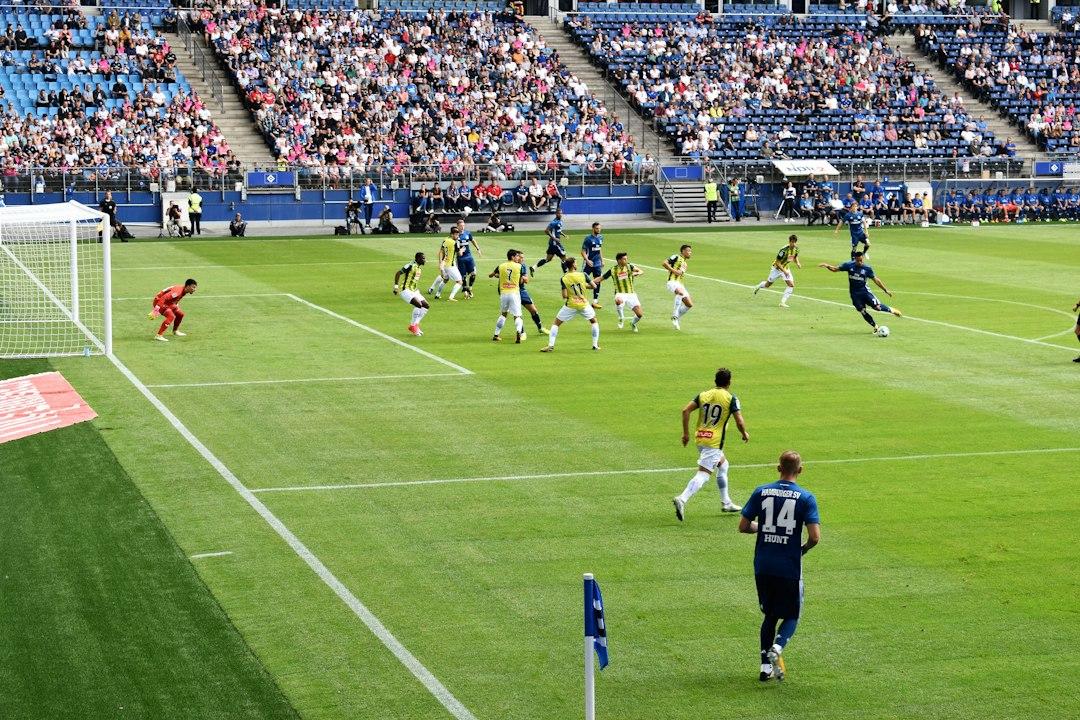
Key Takeaways
There are few environments in European football as intimidating as the Ramon Sanchez Pizjuan when Sevilla is in a defiant mood. For Barcelona, a trip to Andalusia has historically been a litmus test of their title credentials. In their recent 1-3 victory, the scoreline suggests a comfortable outing, but the reality was a gritty, high-stakes tactical chess match that required both individual brilliance and collective suffering.
Under the lights of one of Spain's most atmospheric stadiums, Barcelona faced a Sevilla side that pressed with localized intensity, looking to disrupt the rhythm of Hansi Flick’s midfield. However, what we witnessed was not just a win, but a demonstration of the sheer gap in individual quality that currently exists between the upper echelon of La Liga and the chasing pack. At the heart of this performance were two players at opposite ends of their career arcs: the rejuvenated Raphinha and the prodigious Lamine Yamal.
To award a player a 10/10 rating is a rare occurrence in modern sports journalism, yet Raphinha’s performance left little room for debate. The Brazilian international has undergone a staggering transformation. Once viewed by some sections of the Blaugrana faithful as a high-effort but low-efficiency winger, he has evolved into the heartbeat of the team’s offensive transition.
Against Sevilla, Raphinha was everywhere. His heat map showed a player who ignored the traditional constraints of the touchline, drifting inward to create overloads and dropping deep to facilitate ball progression. His statistical output—goals, key passes, and successful dribbles—was matched only by his defensive work rate.
For the 2026 FIFA World Cup, this version of Raphinha is exactly what Brazil needs. As the Seleção looks to move past the Neymar era, Raphinha’s ability to combine European tactical discipline with South American flair makes him an indispensable asset. His leadership on the pitch in Seville, especially under the pressure of a hostile crowd, suggests he is ready to be a pillar for both club and country on the world’s biggest stage.
If Raphinha provided the engine, Lamine Yamal provided the magic. Scoring a 9/10 at just 17 years old in a match of this magnitude is becoming terrifyingly routine for the teenager. What stands out most about Yamal is not just his technical ability—which is superlative—but his decision-making.
Throughout the match, Yamal displayed a level of 'La Pausa' usually reserved for veterans. He knew when to take on his man, when to recycle possession, and crucially, when to deliver the killer blow. His assist-play and spatial awareness forced Sevilla’s backline into a perpetual state of retreat.
- Technical Precision: His first touch consistently took Sevilla’s primary markers out of the game.
- Mental Fortitude: Despite being targeted with physical challenges, he remained composed, drawing fouls in dangerous areas.
- Tactical Flexibility: He swapped wings and played through the middle, showing a versatility that Hansi Flick is increasingly exploiting.
Beyond the individual ratings, the 1-3 victory highlighted the tactical evolution of Barcelona. Flick has implemented a high defensive line that, while risky, allows Barcelona to compress the pitch. This forced Sevilla into long-ball situations where Barcelona’s center-backs could dominate aerially and immediately restart the attack.
This high-octane style is a departure from the more possession-heavy, slower build-up of previous regimes. It is a more 'vertical' Barcelona, one that looks to punish turnovers within seconds. This shift is reflective of a broader trend in global football where transition speed is becoming more valuable than raw possession percentages—a trend we expect to define the tactical landscape of the 2026 FIFA World Cup.
Barcelona’s resurgence has massive implications for the upcoming international cycle. With a core of young Spanish players like Yamal, Pedri, and Gavi (as he returns to fitness), the Spanish national team is essentially being built within the confines of the Ciutat Esportiva Joan Gamper.
Furthermore, the financial stabilization of Barcelona, coupled with their ability to produce world-class talent from La Masia, provides a blueprint for other elite clubs facing FFP (Financial Fair Play) constraints. They are proving that you do not always need to spend €100 million on a superstar when you can develop one or revitalize a veteran like Raphinha through superior tactical coaching.
As we look toward the 2026 FIFA World Cup in North America, the performances of these Barcelona stars provide a glimpse into the future of the sport. We are seeing a blend of extreme youth and peak-age maturity that is setting a new standard for excellence. Sevilla fought bravely, but they were ultimately undone by a team that is beginning to look like the most formidable force in Europe once again.
Enjoying this article?
Get the daily AI briefing sent straight to your inbox.
Frequently Asked Questions
Why did Raphinha receive a 10/10 rating against Sevilla?
Raphinha's rating was based on his total contribution: scoring, assisting, creating multiple key chances, and maintaining an elite defensive work rate that disrupted Sevilla's build-up play.
How does this match impact the 2026 FIFA World Cup outlook?
The match highlighted the peak form of key internationals like Raphinha (Brazil) and Lamine Yamal (Spain), suggesting they will be central figures and potentially the faces of their respective national teams in 2026.
What is the 'Hansi Flick Effect' mentioned in the analysis?
It refers to the manager's implementation of a higher defensive line, more aggressive pressing, and a faster, more vertical attacking style compared to previous Barcelona coaches.
Comments
0Please sign in to leave a comment.
Related articles
Champions Cup Opening Round: English Rugby Clubs Face Stinging Defeat, One Lone Success
The opening round of the Champions Cup delivered a stark wake-up call for English rugby, as a staggering seven out of eight Premiership entrants failed to secure a win. This analysis delves into the factors behind the widespread struggle and what it means for the tournament ahead.
Sevilla Boss Lashes Out at Officiating Following 4-1 Real Madrid Defeat
Sevilla manager Luis Garcia Plaza has publicly condemned the officiating in his side’s 4-1 loss to Real Madrid, claiming the referee robbed his team of a fair result.
Phil Foden’s Path to Redemption: Reclaiming His Crown at Manchester City
Phil Foden has broken his long-standing goal drought, signaling a potential return to elite form as he navigates intense competition at Manchester City.