- Range Rover is developing a new, smaller, and more affordable electric version of its iconic Sport model.
- The vehicle aims to combine traditional rugged off-road performance with modern, efficient electric drivetrain technology.
- Early visuals indicate an aerodynamic design evolution while maintaining the classic brand aesthetic.
- This launch is a core component of JLR's 'Reimagine' strategy to transition toward a modern luxury electric brand.
Range Rover Electric: First Look at the New Affordable Luxury SUV
JLR’s latest move into the luxury electric segment promises a smaller, more accessible footprint for the iconic Range Rover Sport brand.
Jul 16, 2026·0 views
Key Takeaways
The landscape of premium automotive engineering is shifting rapidly, and Range Rover is at the forefront of this transformation. As the brand prepares for its next major milestone, it has provided the public with a first glimpse of its second all-electric vehicle: a smaller, more agile iteration of the legendary Range Rover Sport. This move marks a pivotal moment for Jaguar Land Rover (JLR) as it seeks to maintain its reputation for rugged elegance while meeting the growing global demand for sustainable, high-performance electric SUVs.
For decades, the Range Rover Sport has been synonymous with power, prestige, and off-road capability. By transitioning this iconic model to an electric powertrain, the company is not just updating a car; it is redefining what a luxury SUV can be in the age of carbon neutrality. The new model, which has been spotted in early testing phases, promises to blend the brand's signature design language with the instantaneous torque and quiet operation that only an electric drivetrain can provide.
The early images released by the manufacturer suggest that the design team has opted for a subtle evolution rather than a radical departure. The silhouette remains unmistakably Range Rover, featuring the clean, minimalist lines and commanding stance that enthusiasts have come to love. However, the front end appears to feature a more aerodynamic profile, likely optimized to extend range—a critical factor for potential buyers in the luxury electric segment.
Key design elements expected in the final production model include:
- Active Aerodynamic Grilles: Designed to reduce drag and manage battery cooling efficiently.
- Flush Door Handles: A feature that has become standard in modern EVs to maintain a sleek, uninterrupted look.
- Signature LED Signature Lighting: A sharper, more futuristic take on the classic Range Rover lamp housing.
- Sustainability-Focused Interior: The use of high-quality, recycled, and vegan materials for the cabin, reflecting a broader industry trend toward eco-conscious luxury.
While specific technical specifications remain under wraps, industry analysts expect the new electric Range Rover Sport to utilize JLR’s latest modular electric vehicle platform. This architecture is designed to support high-capacity battery packs, offering a competitive range that will likely exceed 300 miles on a single charge. More importantly, the vehicle is expected to feature advanced thermal management systems, ensuring that its performance remains consistent regardless of external weather conditions.
For those concerned about off-road performance, the brand has confirmed that electrification will not compromise the 'go-anywhere' DNA of the vehicle. The electric powertrain allows for precise, independent torque vectoring at each wheel, providing superior traction control on slippery or uneven terrain compared to traditional internal combustion engines.
One of the most compelling aspects of this new launch is the positioning of the vehicle as a 'smaller, more affordable' option. By expanding its lineup, Range Rover is effectively lowering the barrier to entry for consumers who admire the brand's heritage but have been waiting for a more appropriately sized and priced electric offering. This strategy is expected to capture a younger, urban-dwelling demographic that values luxury and performance but requires a vehicle that is easier to maneuver and park in dense city environments.
As JLR continues to invest heavily in its 'Reimagine' strategy, the focus remains on transforming the company into a modern luxury business. This electric SUV is a cornerstone of that plan, serving as the bridge between the company's storied past and its electrified future. With charging infrastructure improving globally, the timing for this launch could not be better.
As the official debut approaches, all eyes will be on the final pricing and availability details. If the brand can successfully marry its premium build quality with a more accessible price point, the new electric Range Rover Sport could quickly become the benchmark for the mid-sized luxury electric SUV segment.
For enthusiasts and potential buyers alike, the message from JLR is clear: the future of Range Rover is electric, and it is arriving sooner than many anticipated. Stay tuned to Imai News as we continue to track the development of this exciting addition to the global electric vehicle market.
Enjoying this article?
Get the daily AI briefing sent straight to your inbox.
Frequently Asked Questions
Is the new Range Rover electric SUV smaller than previous models?
Yes, reports indicate that the new model is designed to be a smaller, more compact, and more accessible option compared to the traditional full-sized Range Rover line.
Will the electric Range Rover Sport be capable off-road?
Yes, Range Rover has confirmed that the electric powertrain will utilize advanced torque vectoring to maintain the brand's signature off-road capabilities.
When will the new Range Rover electric SUV be released?
While an official date has not been set, the company has begun public testing, suggesting an official debut is expected in the near future.
Comments
0Please sign in to leave a comment.
Related articles
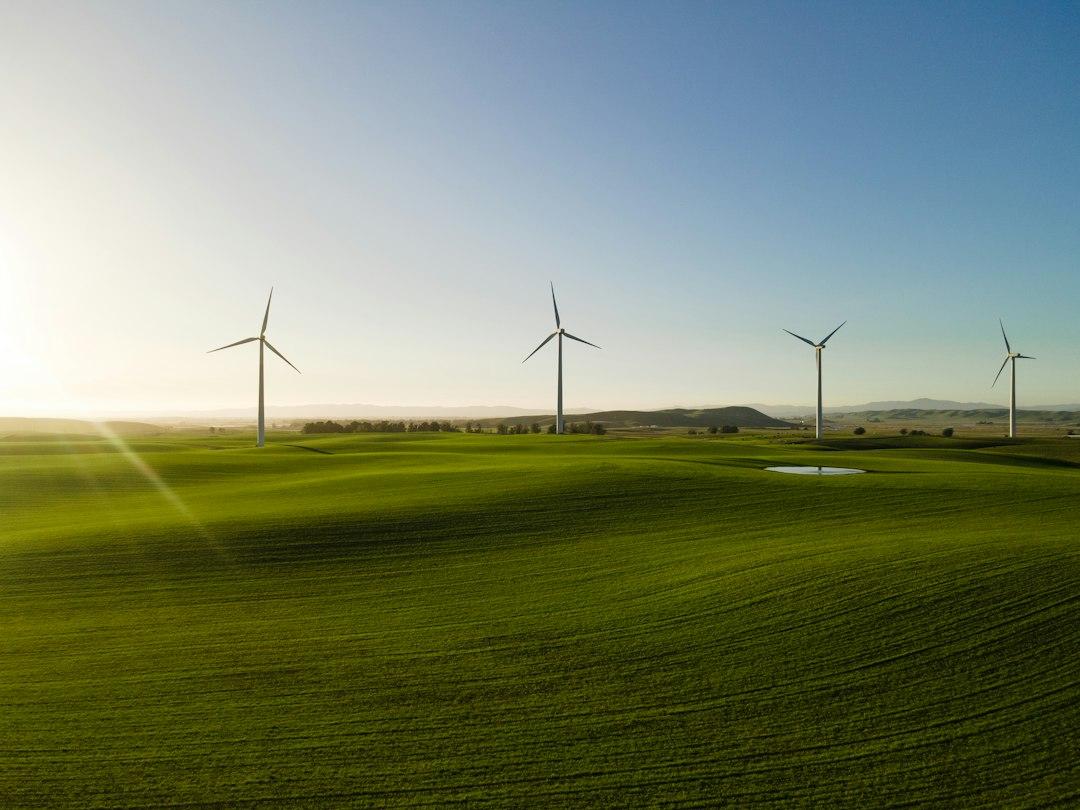
Arizona Debuts First NEVI-Funded EV Fast Chargers: What Drivers Need to Know
Arizona has officially launched its first three NEVI-funded DC fast-charging stations, strategically placed to bolster travel along major interstate corridors.

BYD Unveils High-Performance 5-Seat Electric SUV with 690 HP
BYD has officially revealed its latest tech-focused flagship electric SUV, boasting 690 horsepower and a futuristic cabin design.
Priority Bicycles Unveils E-Sauce: The Electric Evolution of a Cult Classic
Priority Bicycles has officially electrified its playful Sauce model, introducing the E-Sauce to bridge the gap between simple urban commuting and high-performance e-biking.