- The Premier League serves as the primary global hub for elite defensive talent.
- Attacking players often thrive in continental European leagues due to different tactical freedoms.
- International success requires balancing English-trained defensive discipline with creative attacking flair.
- The high intensity of the English season poses a fatigue risk to international stars.
Premier League Dominance: Why Defensive Talent Rules the World Cup Stage
Analyzing the tactical divide between Premier League defensive stability and international attacking flair in the latest World Cup landscape.
Jul 14, 2026·0 views
Key Takeaways
As the world turns its eyes toward the pinnacle of international football, a compelling narrative has emerged regarding the composition of semi-finalist squads. While the English Premier League (EPL) remains the wealthiest and arguably most-watched football competition on the planet, a granular look at defensive versus attacking talent reveals a fascinating trend. The Premier League appears to be the undisputed global hub for defensive structure, yet the world’s most lethal attacking threats are increasingly flourishing in leagues across continental Europe.
Data from recent World Cup cycles suggests that the Premier League has become the premier destination for elite defenders. When observing the backlines of the final four nations, a disproportionate number of players ply their trade at clubs like Manchester City, Liverpool, Arsenal, and Chelsea. This is no coincidence. The intense, high-pressing, and physically demanding nature of the English top flight forces defenders to adapt to a level of scrutiny and tactical rigor that is unmatched globally.
- Tactical Sophistication: Defenders in the Premier League are required to master high defensive lines and complex offside traps, skills that translate seamlessly to the international stage.
- Physical Conditioning: The relentless pace of the English season ensures that defenders arrive at international tournaments with a level of match fitness that few other leagues can replicate.
- Elite Coaching: The influx of world-class managers into the Premier League has elevated the standard of defensive organization, turning mid-table teams into defensive powerhouses.
Conversely, the most prolific forwards and creative playmakers often find their most productive environments outside of England. While the Premier League boasts household names, the sheer volume of high-scoring attacking talent currently dominating international semi-finals is often found in La Liga, the Bundesliga, or Serie A. This shift can be attributed to the tactical freedom afforded to attackers in these leagues, which allows for more individual flair and creative expression compared to the rigid, system-heavy approach often seen in England.
In leagues like the Bundesliga, for instance, the emphasis on high-transition football creates a playground for young, dynamic forwards to hone their craft. International managers, when selecting their attacking quartets, often look for players who have been given the license to roam and improvise—traits that are sometimes stifled by the disciplined, tactical constraints of English football.
This dichotomy forces us to ask: what makes a team successful in a knockout tournament? History suggests that championships are won on the back of defensive stability. By monopolizing the world's best defensive talent, the Premier League has essentially become the 'backbone' of the World Cup. Even if a nation’s primary attacking threats are playing in Spain or France, their ability to progress is often dictated by the center-backs and holding midfielders they have recruited from the English Premier League.
However, the reliance on these players comes with a caveat. The sheer intensity of the English schedule often leaves these players fatigued by the time the tournament reaches its latter stages. This 'Premier League fatigue' is a well-documented phenomenon that managers must carefully navigate. Balancing the defensive security provided by EPL stars with the fresh, creative energy of players from other leagues is the ultimate challenge for any international coach aiming for the trophy.
Looking ahead, the landscape of club football will likely continue to evolve. As the financial disparity between the Premier League and the rest of the world grows, the temptation for young, attacking talents to join English clubs will increase. The question remains whether the English system will adapt to nurture this attacking flair, or if it will remain a defensive sanctuary. For now, the Premier League’s influence on the World Cup is undeniable—it provides the shield, while the rest of the world provides the sword.
Enjoying this article?
Get the daily AI briefing sent straight to your inbox.
Frequently Asked Questions
Why does the Premier League dominate international defensive talent?
The Premier League's intense physical demands, high-level tactical coaching, and focus on high-pressing systems prepare defenders for the rigor of international knockout football.
Are attacking stars moving away from the Premier League?
While the Premier League hosts many attacking stars, many top-tier creative talents currently thrive in leagues like the Bundesliga or La Liga, where tactical structures allow for more individual expression.
Comments
0Please sign in to leave a comment.
Related articles
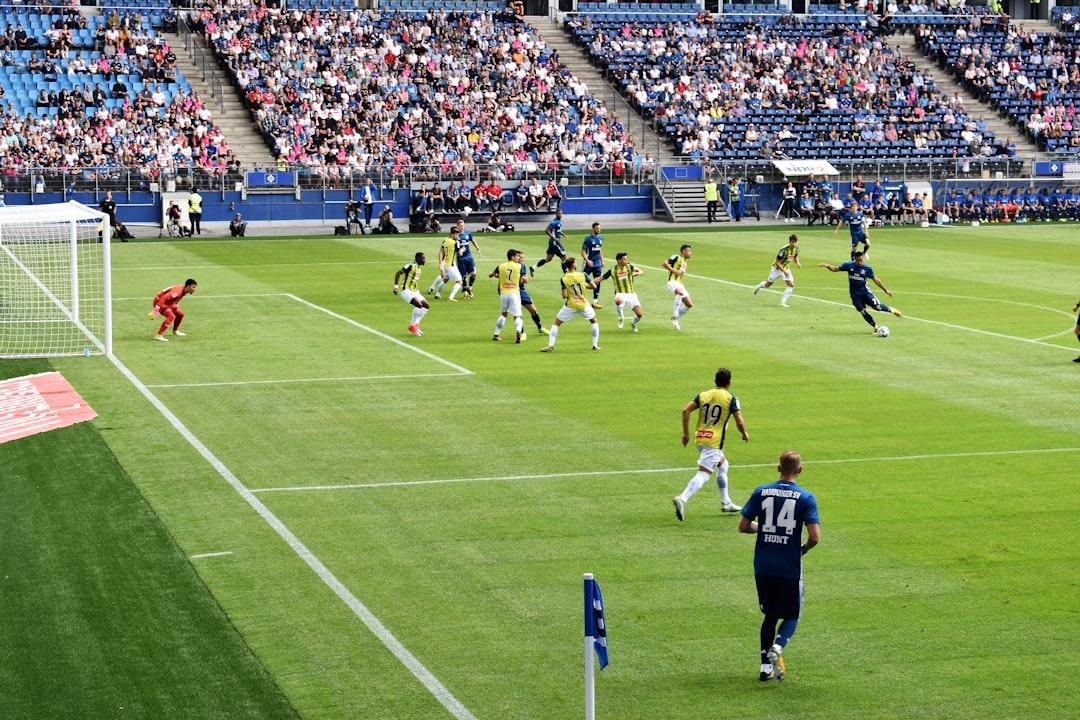
Jonathan David Weighs Future: Paris FC Emerges as Preferred Destination
Jonathan David’s future remains in flux as reports surface that the striker favors a move to Paris FC over a potential transfer to Trabzonspor.
PSG Transfer Strategy: Why Ayyoub Bouaddi Was Never a Priority Target
Despite persistent media speculation, PSG has reportedly never made a concrete move for LOSC Lille's Ayyoub Bouaddi, signaling a shift in recruitment priorities.

Andoni Iraola’s Tactical Blueprint: A New Vision for Liverpool's Future
Football analyst David Lynch explores how Andoni Iraola’s leadership style and tactical discipline offer a blueprint for modern Premier League success.