- A major energy company in the Philippines has canceled a planned coal power plant in Cebu.
- The company is replacing the coal project with a large-scale Battery Energy Storage System (BESS).
- The transition aims to solve chronic power grid instability and reduce reliance on fossil fuels.
- BESS technology will provide critical frequency regulation and peak-shaving capabilities for the Visayas grid.
Philippines Energy Giant Ditches Coal for Massive Battery Storage Project
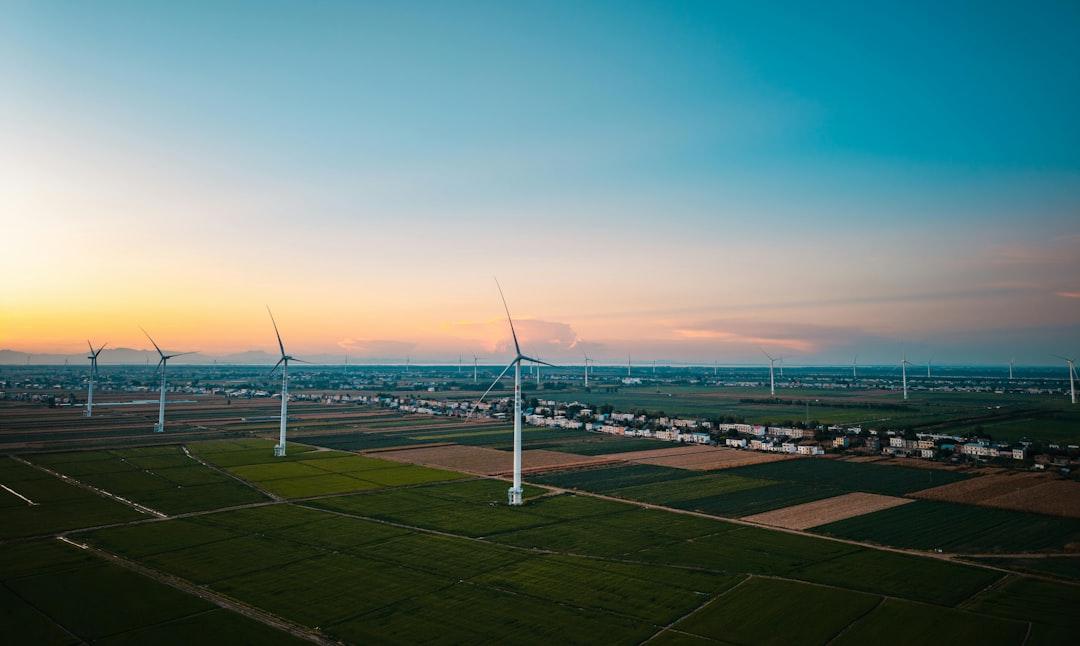
In a major shift for the Visayas power grid, a leading energy firm is canceling coal developments in favor of advanced Battery Energy Storage Systems to stabilize Cebu’s energy supply.
Jul 18, 2026·0 views
Key Takeaways
The landscape of power generation in the central Philippines is undergoing a seismic shift. For years, the Visayas power grid—specifically the region surrounding Cebu—has grappled with the twin challenges of chronic unreliability and a heavy dependence on aging, inefficient coal-fired power plants. Now, a major energy developer has signaled the end of this era by officially canceling plans for a new coal facility and breaking ground on a cutting-edge Battery Energy Storage System (BESS).
This strategic pivot represents more than just a change in infrastructure; it is a clear indicator that the economic and operational arguments for coal are rapidly losing ground to renewable-integrated storage solutions. As regional authorities work to modernize the grid, these large-scale batteries are expected to serve as the backbone for a more resilient and sustainable energy future.
For decades, coal has been the default choice for baseload power in the Philippines. However, the environmental costs and the rising price of imported fuel have made coal an increasingly unattractive prospect for investors. In Cebu, the situation reached a breaking point as frequent rolling blackouts during peak demand periods frustrated businesses and residents alike.
By shelving the proposed coal project, the energy company is not only avoiding the long-term liabilities associated with carbon-heavy assets but is also aligning itself with national mandates to reduce the country’s carbon footprint. The decision to prioritize BESS technology suggests that the company sees a future where grid stability is achieved through instantaneous power injection rather than the slow-to-ramp output of thermal plants.
Battery Energy Storage Systems function as a shock absorber for the electrical grid. Unlike traditional power plants that take hours to ramp up or down, BESS technology can respond to frequency fluctuations in a fraction of a second. This capability is vital for the Visayas grid, which has long suffered from volatility.
Key advantages of the new BESS installation include:
- Frequency Regulation: The batteries can automatically inject or absorb power to maintain grid frequency, preventing the brownouts that have plagued the region.
- Peak Shaving: By storing excess energy generated during low-demand periods, the system can discharge power during evening peaks, reducing the strain on existing transmission lines.
- Renewable Integration: The BESS serves as a critical bridge, allowing the grid to absorb more intermittent energy from solar and wind farms without risking system failure.
- Operational Efficiency: With no moving parts like turbines or boilers, the battery facility requires significantly less maintenance than a coal plant, leading to lower long-term operational costs.
The move in the Philippines reflects a broader, global shift in how energy companies approach grid management. As the cost of lithium-ion and alternative battery chemistries continues to plummet, the traditional argument that 'coal is necessary for reliability' is being dismantled.
Industry analysts note that this project in the Philippines is part of a larger trend in Southeast Asia, where emerging economies are attempting to leapfrog older, centralized power models. By opting for decentralized and flexible storage, the region is positioning itself to handle the complexities of a modern, digitized electrical grid.
While the transition will not happen overnight, the cancellation of the coal plant serves as a powerful symbol of progress. The local government and grid operators are now focused on integrating these batteries into the existing transmission framework, ensuring that the transition is seamless.
As the project moves into its construction phase, all eyes will be on Cebu to see if this model can be replicated across other islands in the archipelago. If successful, the project could provide a blueprint for other developing nations looking to shed their reliance on fossil fuels while simultaneously solving the persistent issue of energy insecurity. The shift toward battery storage is not just a win for the environment; it is a fundamental upgrade to the economic engine of the Philippines.
Enjoying this article?
Get the daily AI briefing sent straight to your inbox.
Frequently Asked Questions
Why is the Philippines shifting from coal to battery storage?
The shift is driven by the need to address chronic grid instability, reduce long-term operational costs, and align with environmental goals to lower carbon emissions.
What is a BESS and how does it help the grid?
BESS stands for Battery Energy Storage System. It helps the grid by providing instantaneous frequency regulation, managing peak demand, and allowing for better integration of renewable energy sources.
Comments
0Please sign in to leave a comment.
Related articles
Tesla Driver Asleep at Wheel in Crash Involving California Highway Patrol
Federal regulators and local authorities are investigating a serious Tesla collision in Fairfield, California, after a driver admitted to sleeping with FSD engaged.

Volkswagen Expands ID. Cross Lineup with New 37 kWh Battery Option
Volkswagen has introduced a new 37 kWh battery option for the ID. Cross, aiming to lower the entry price point for city-focused electric vehicle buyers.

Tesla’s Next-Gen Roadster: Engineering Marvel or Marketing Hyperbole?
Is the new Tesla Roadster a legitimate leap in automotive engineering, or are its 'flying' capabilities merely a marketing stunt? We dive into the physics.