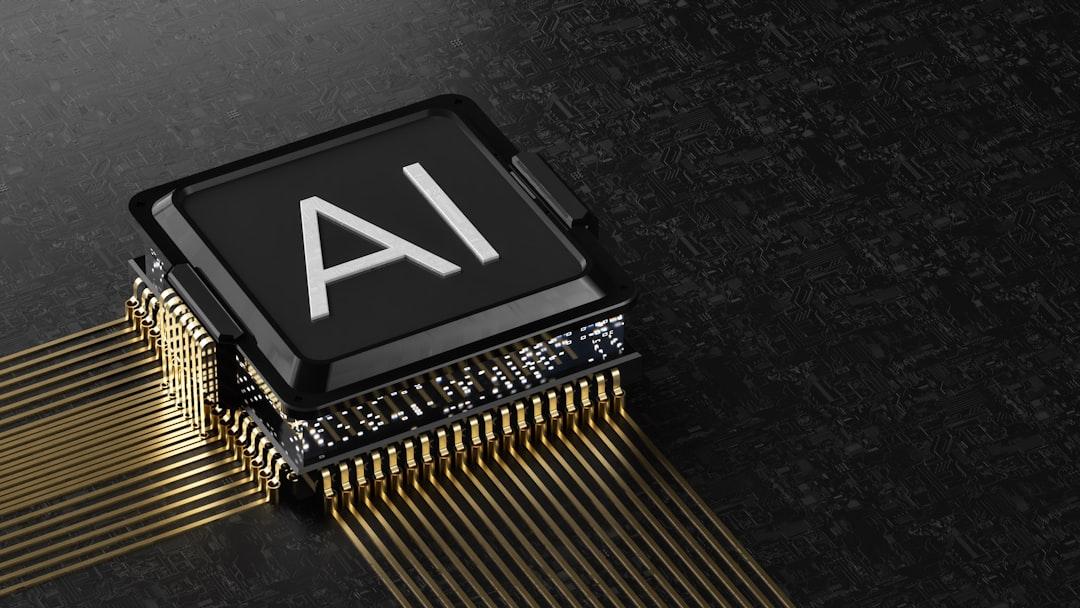
- OpenAI is partnering with Broadcom to create a custom AI inference chip codenamed 'Jalapeño'.
- The chip is specifically designed to optimize the performance and efficiency of large language models (LLMs).
- This move aims to reduce computational costs and latency for OpenAI's software stack.
- The development represents a trend toward vertical integration in the AI industry.
OpenAI and Broadcom Partner to Develop 'Jalapeño' AI Inference Chip
The new custom silicon project aims to supercharge LLM performance and reduce reliance on third-party hardware providers.
Jul 5, 2026·0 views
Key Takeaways
In a strategic move that signals a major shift in the artificial intelligence landscape, OpenAI has officially announced a collaboration with semiconductor giant Broadcom to develop a custom AI chip. Codenamed "Jalapeño," this specialized silicon is designed specifically for Large Language Model (LLM) inference, marking a pivotal moment in OpenAI’s quest to optimize its computational infrastructure. As the demand for generative AI continues to surge, the ability to run models faster and more efficiently has become the primary bottleneck for tech giants worldwide.
By moving toward custom hardware, OpenAI is looking to break free from the constraints of general-purpose GPUs. While industry leader NVIDIA has long provided the backbone for AI training and inference, the specific requirements of LLMs—such as high memory bandwidth and low latency—demand a more tailored approach. The Jalapeño project represents a significant investment in vertical integration, allowing OpenAI to fine-tune its software stack directly to the underlying hardware.
While "training" an AI model—the process of teaching it from massive datasets—gets the most headlines, "inference" is where the real-world utility lies. Inference is the process by which an AI model processes a user prompt and generates a response in real-time. As models like GPT-4o and its successors become more complex, the computational cost of running these inferences grows exponentially.
High-performance inference is crucial for several reasons:
- Reduced Latency: Faster processing means near-instant responses for users, which is essential for voice-based AI agents and real-time interactive tools.
- Cost Efficiency: Running inference at scale is expensive. By optimizing silicon for specific model architectures, companies can significantly reduce the cost-per-token, making AI more accessible and profitable.
- Energy Consumption: Custom chips are generally more power-efficient than general-purpose hardware. This is vital as global data center energy consumption faces increasing scrutiny from regulators and environmental groups.
Broadcom brings decades of expertise in custom ASIC (Application-Specific Integrated Circuit) development to this partnership. Unlike traditional chip manufacturers that sell off-the-shelf products, Broadcom excels at helping companies design bespoke silicon that meets unique performance metrics. For OpenAI, this partnership provides the technical manufacturing muscle necessary to translate complex software requirements into physical hardware.
This move also mirrors strategies employed by other tech titans. Google has its own TPU (Tensor Processing Unit), and Microsoft—OpenAI’s primary cloud partner—has been developing its own Maia AI chips. By partnering with Broadcom, OpenAI is essentially building a "bespoke engine" for its own models, ensuring that its software is not just running, but thriving on optimized architecture.
The announcement of the Jalapeño chip is likely to send shockwaves through the semiconductor industry. As more AI labs prioritize custom silicon, the market for general-purpose high-end GPUs may eventually see a shift in demand. While NVIDIA remains the king of the mountain for training large models, the inference market is becoming increasingly fragmented, with companies opting for chips that are "good enough" for specific tasks rather than paying for excess general-purpose power.
Furthermore, this development suggests that OpenAI is preparing for a future where AI is ubiquitous. Whether it is integrated into robotics, consumer devices, or enterprise-scale data centers, having a proprietary chip design gives OpenAI a competitive advantage in both speed and margin. As the "Jalapeño" chip moves from design to production, the industry will be watching closely to see if it can deliver on the promise of higher performance at a fraction of the current operational cost.
In the coming months, we expect to see more details regarding the architecture of the chip and how it will be integrated into the Microsoft Azure ecosystem. For now, the message from OpenAI is clear: the future of AI is not just in the code, but in the silicon that powers it.
Enjoying this article?
Get the daily AI briefing sent straight to your inbox.
Frequently Asked Questions
What is the Jalapeño chip?
Jalapeño is a custom AI inference chip developed through a partnership between OpenAI and Broadcom, designed to optimize the performance and efficiency of large language models.
Why is OpenAI moving toward custom hardware?
OpenAI is building custom silicon to reduce reliance on general-purpose GPUs, lower the cost of inference, and improve the speed and energy efficiency of their AI models.
Comments
0Please sign in to leave a comment.
Related articles

Flipkart vs. Amazon: The Battle for India’s Quick-Commerce Supremacy
Flipkart has officially surpassed 1,000 micro-fulfillment centers across India, signaling an aggressive expansion in the competitive quick-commerce sector.

Samsara’s New BLE Tracking Label Aims to Curb Global Cargo Theft
Samsara has unveiled a thin, disposable Bluetooth Low Energy tracking label designed to combat the rising tide of cargo theft in global supply chains.

Trump Memecoin Fallout: Investors Lose $3.8 Billion as Market Frenzy Collapses
New data shows that while President Donald Trump profited significantly from his memecoin venture, nearly one million investors suffered collective losses of $3.8 billion.