- Four US nuclear reactors have achieved a significant operational milestone, bolstering grid reliability.
- The surge in AI data center demand is driving a renewed interest in nuclear power as a consistent energy source.
- China continues to aggressively seek high-end Nvidia chips despite US-led export controls.
- The global tech landscape is being shaped by the competition for both energy and advanced computing hardware.
Nuclear Energy Milestone: US Reactors Power Up as China Targets AI Chip Market
A historic achievement in American nuclear energy coincides with escalating global tensions over high-end semiconductor accessibility.
Jul 9, 2026·0 views
Key Takeaways
In a significant development for the North American energy landscape, four nuclear reactors have successfully reached a major operational milestone. This achievement comes at a time when the demand for carbon-free, baseload power is skyrocketing, driven largely by the massive energy requirements of modern data centers and the global push toward electrification.
Energy experts view this milestone as a proof-of-concept for the viability of large-scale nuclear projects. As the United States looks to modernize its grid, the integration of these reactors provides a stable alternative to intermittent renewable sources like solar and wind. By stabilizing the energy supply, these facilities are expected to play a pivotal role in supporting the next generation of industrial technology and computing infrastructure.
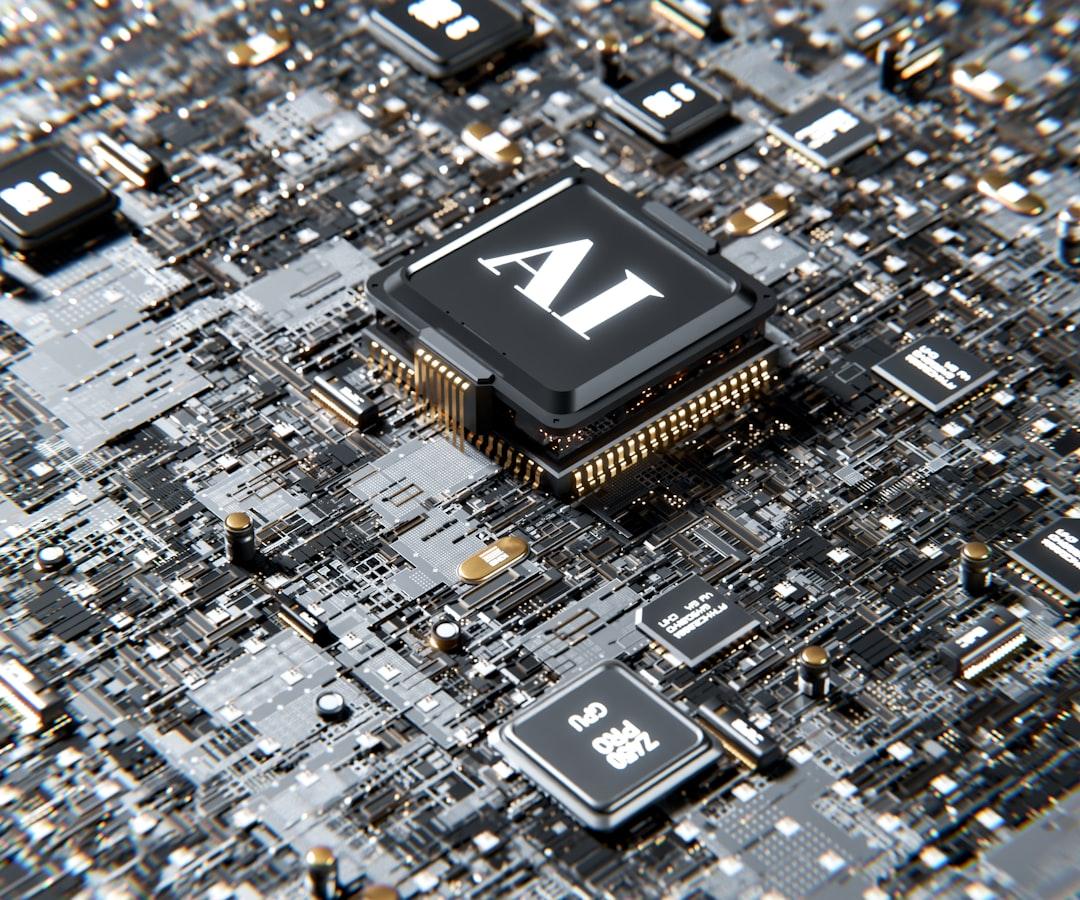
The intersection of nuclear power and the AI revolution is becoming increasingly clear. As tech giants invest billions into artificial intelligence, the energy consumption of GPU-heavy data centers has become a primary bottleneck. Nuclear power offers a consistent, 24/7 energy source that does not fluctuate with the weather, making it an ideal partner for the high-density computing clusters currently being deployed across the country.
While the US focuses on energy stability, the global tech industry remains gripped by the ongoing battle over semiconductor supremacy. Recent reports highlight that China is intensifying its efforts to acquire high-end Nvidia AI chips, despite stringent export controls imposed by the United States government.
These chips, which are the gold standard for training large language models (LLMs) and powering advanced machine learning applications, have become the most valuable commodity in the tech world. China’s push to secure these units underscores a broader strategic goal: achieving self-reliance in the face of international sanctions.
- Export Restrictions: The US Department of Commerce has placed strict limitations on the shipment of high-performance GPUs to China to prevent the advancement of military-grade AI capabilities.
- Black Market Activity: Analysts have observed a surge in illicit trade routes and shadow supply chains attempting to bypass these regulations.
- Domestic Innovation: In response to the hardware squeeze, Chinese tech giants are pivoting toward domestic alternatives, though industry experts remain skeptical about their ability to match the performance of Nvidia’s flagship H100 and Blackwell series in the near term.
The dual narrative of nuclear energy milestones and chip-related trade friction highlights the two pillars of modern national power: electricity and compute. As nations scramble to secure their positions, the ripple effects are being felt across global markets.
For the tech industry, the outcome of these geopolitical maneuvers will determine which nations lead the next century of innovation. The race for AI dominance is not just about writing better code; it is about securing the hardware to train the models and the energy to keep the servers running.
As we look toward the remainder of the year, industry observers will be watching closely to see if the US can maintain its lead in chip technology while simultaneously scaling up its energy grid to support the massive infrastructure requirements of the AI era. The intersection of these two sectors will likely define the trajectory of the global economy for the next decade.
Enjoying this article?
Get the daily AI briefing sent straight to your inbox.
Frequently Asked Questions
Why are nuclear reactors important for AI development?
AI data centers require massive, consistent amounts of electricity. Nuclear power provides stable, carbon-free baseload energy that is essential for 24/7 computing operations.
What is the status of Nvidia chip exports to China?
The US government has imposed strict export controls on high-end AI chips to China to prevent the advancement of military-grade artificial intelligence.
Comments
0Please sign in to leave a comment.
Related articles

HiRO-ACEv2: Revolutionizing Weather Forecasting with AI Precision
New AI weather modeling from the Allen Institute for AI promises to democratize climate data by cutting computational costs while maintaining extreme precision.
TII Unveils Falcon ASR: A New Era in Open-Source Speech Recognition
TII has launched Falcon ASR, a state-of-the-art open-source speech recognition model designed to set new benchmarks in accuracy and efficiency.

How the AI Community is Building the Models That Big Tech Won't
When the perfect AI model doesn't exist, the modern developer doesn't wait—they build it. Here is how the open-source movement is reshaping the AI landscape.