- The 2026 World Cup final at MetLife Stadium is currently threatened by hazardous wildfire smoke in the NY/NJ area.
- Logistical strain on regional transit infrastructure poses a significant challenge for moving large crowds.
- The anticipated attendance of President Donald Trump has introduced complex security and political variables.
- Rival host cities like Dallas and Los Angeles remain critical of the venue choice, citing better climate control and infrastructure.
New York’s World Cup Final Faces Triple Threat: Smoke, Transit, and Politics
As MetLife Stadium prepares for the 2026 World Cup final, environmental, logistical, and political challenges loom over the historic event.
Jul 17, 2026·0 views
Key Takeaways
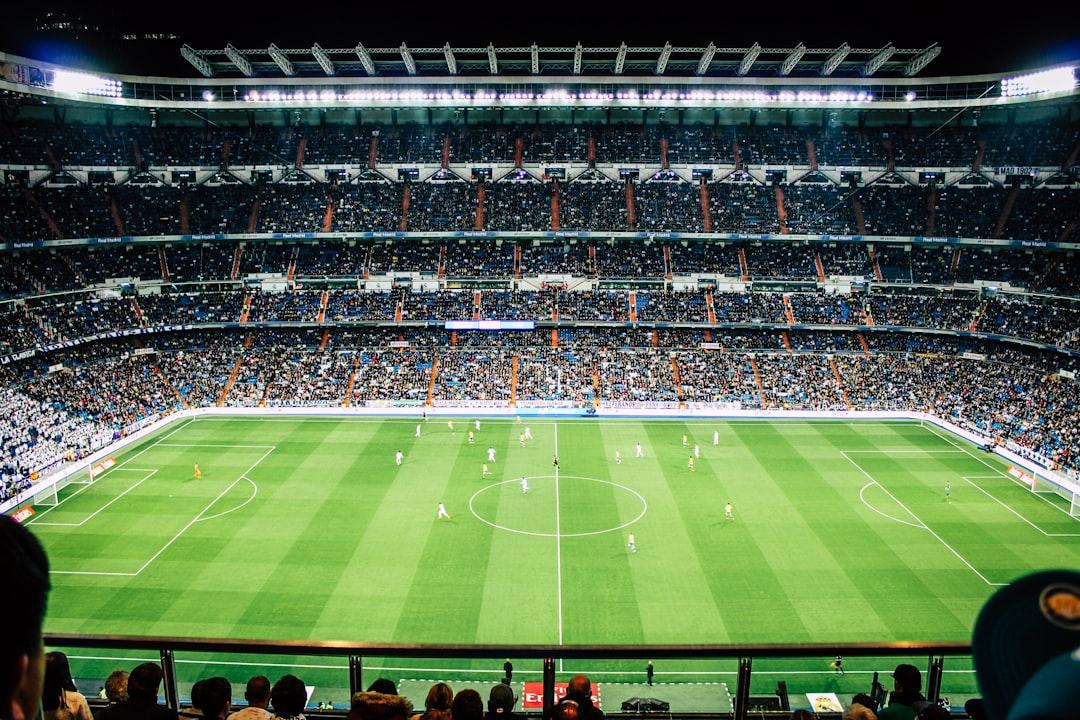
As the world prepares to descend upon the New York-New Jersey area for the 2026 FIFA World Cup final, the excitement of the beautiful game is being tempered by an increasingly complex set of logistical and environmental challenges. While the MetLife Stadium—rebranded for the tournament—was selected for its unparalleled global prestige and strategic time zone alignment for European broadcasters, the reality on the ground is proving to be a formidable test for organizers.
The most immediate concern is the environmental crisis currently plaguing the Eastern Seaboard. Thick plumes of smoke, drifting from intense regional wildfires, have descended upon the metropolitan area, creating hazardous air quality conditions. This development has cast a pall over the final preparations, with health officials and tournament organizers monitoring the situation closely to ensure the safety of both the athletes and the hundreds of thousands of fans expected to pack the venue.
It is difficult to ignore the sense of schadenfreude emanating from rival host cities. When FIFA announced in February 2024 that the New York-New Jersey bid had secured the final, the decision was met with mixed reactions across the United States. Los Angeles and Dallas, both of which possess state-of-the-art, climate-controlled stadium facilities, were widely viewed as safer and more modern alternatives to the open-air MetLife Stadium.
Critics argue that the reliance on a venue susceptible to unpredictable weather patterns—whether it be extreme heat or the current suffocating smoke—was a gamble. While New York’s global branding and commercial reach are undeniable, the logistical friction of hosting such a massive event in the congested New Jersey transit corridor remains a significant pain point for local authorities.
Beyond the environmental concerns, the sheer scale of the transit operation is pushing local infrastructure to its breaking point. The New York-New Jersey region is one of the most densely populated areas in the world, and moving hundreds of thousands of spectators to a stadium located in East Rutherford, New Jersey, is a logistical puzzle of epic proportions.
Transportation planners are working around the clock to manage the influx of international visitors. The reliance on existing rail and bus infrastructure has sparked concerns regarding delays, capacity, and the potential for a total gridlock on match day. For many fans, the journey to the stadium is expected to be as challenging as the competition on the pitch.
Adding an extra layer of complexity to an already volatile situation is the anticipated presence of President Donald Trump. His attendance at the final brings a high-security apparatus that will inevitably impact traffic patterns, public access, and the overall atmosphere of the event.
Major international sporting events are frequent targets for political displays, and the presence of a polarizing political figure ensures that the final will be as much a media spectacle as it is a sporting contest. Security protocols will be at an all-time high, with law enforcement agencies coordinating across state lines to manage the massive security footprint required for a presidential visit. This heightened state of alert, while necessary, complicates the fan experience, adding layers of screening and restricted movement that have already begun to draw criticism from local residents and international travelers alike.
Despite the hurdles, the sentiment among tournament organizers remains one of cautious optimism. The 2026 World Cup is intended to be the largest and most inclusive tournament in history, and the pressure to deliver a flawless final in the world’s most iconic city is immense.
Ultimately, the success of the 2026 final will be measured not just by the quality of the football, but by the ability of the organizers to navigate the intersection of nature, politics, and infrastructure. As the countdown to the final whistle continues, the world is watching to see if New York can overcome these environmental and logistical headwinds to deliver a truly memorable crowning moment for the sport.
Enjoying this article?
Get the daily AI briefing sent straight to your inbox.
Frequently Asked Questions
Why was New York chosen for the 2026 World Cup final?
New York was selected primarily for its global brand recognition and its favorable time zone, which is ideal for European television audiences.
What are the main risks for the World Cup final at MetLife Stadium?
The main risks include poor air quality due to regional wildfires, significant transit congestion in the NY/NJ area, and heightened security needs due to political attendance.
Comments
0Please sign in to leave a comment.
Related articles
Aymeric Laporte: Argentina's Physicality Defines Their World Cup Legacy
Aymeric Laporte has ignited discussion regarding Argentina’s tactical approach, suggesting the reigning world champions prioritize physical intimidation.
Cruz Azul vs. San Luis: Apertura 2026 Season Opener Preview and Lineups
Cruz Azul opens its Apertura 2026 campaign against Atlético San Luis, marking the start of a highly anticipated title defense.
Transfer Turf War: Juventus and Roma Lock Horns in Summer Market Shakeup
The rivalry between Juventus and Roma intensifies as both clubs engage in a high-stakes transfer window battle, signaling a major shift in Serie A squad dynamics.