- Mikel Arteta has successfully built a title-winning culture at Arsenal based on long-term stability and tactical discipline.
- Arsenal's current squad depth is a significant upgrade, allowing the team to handle the pressures of a full Premier League campaign.
- The club is aiming for its first back-to-back league titles since 1935, relying on tactical versatility and mental resilience.
- Stability in the coaching staff provides Arsenal with a competitive advantage over rivals currently undergoing management shifts.
Mikel Arteta’s Blueprint: Can Arsenal Define a New Premier League Era?
After years of building, Mikel Arteta has transformed Arsenal into a title-winning juggernaut with the depth to dominate the English top flight.
Aug 19, 2026·0 views
Key Takeaways
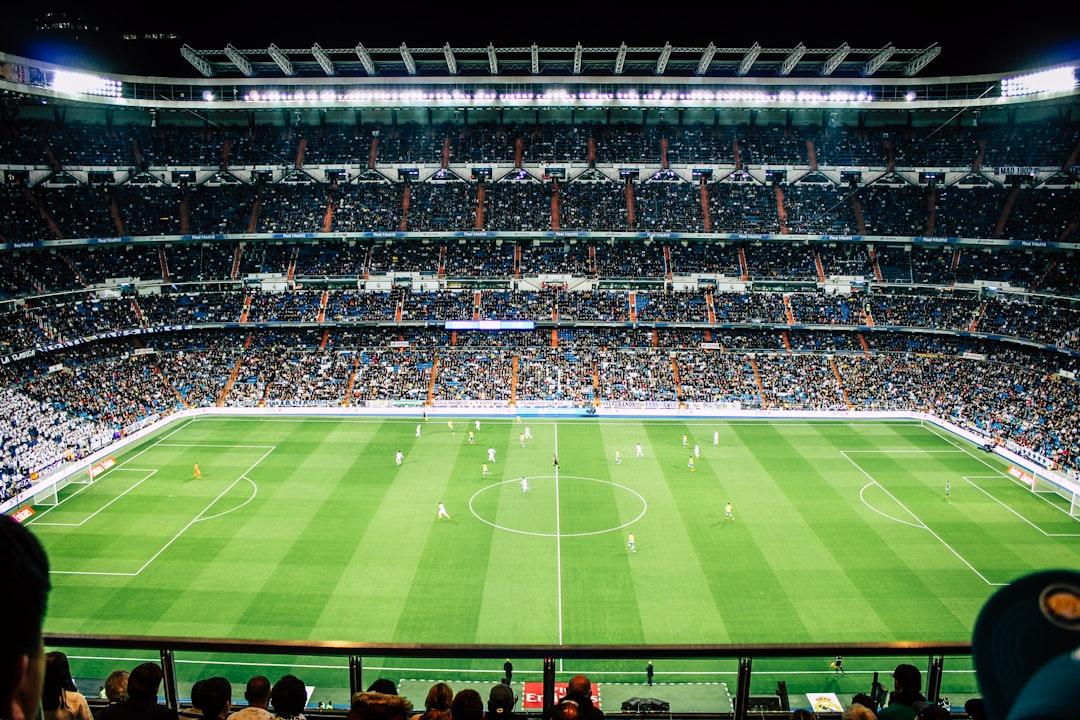
For years, the narrative surrounding Arsenal was one of 'nearly men.' The club was defined by flashes of brilliance hampered by inconsistency and a lack of squad depth. However, under the meticulous guidance of Mikel Arteta, the Emirates Stadium has become the epicenter of a tactical revolution. As the new Premier League season approaches, the burning question is no longer whether Arsenal can compete, but whether they can sustain a dynasty that mirrors the legendary squads of the past.
Arteta’s journey at Arsenal has been a masterclass in long-term planning. By prioritizing cultural alignment and tactical discipline, he has turned a fractured locker room into a cohesive unit capable of dismantling even the most rigid defenses. The recent championship success was not a fluke; it was the inevitable result of a project that refused to cut corners.
The modern Premier League is a grueling marathon, one that requires more than just a starting eleven. Recognizing this, Arteta has aggressively bolstered his ranks. The current Arsenal squad possesses a level of depth that was previously non-existent in North London. With versatile players who can transition between roles—such as Kai Havertz’s evolution into a dynamic forward and the defensive solidity provided by the backline—Arsenal now has the 'plug-and-play' capability required to navigate injuries and fixture congestion.
Key areas of improvement have included:
- Midfield Orchestration: The integration of technical excellence in the center of the park has allowed Arsenal to control the tempo of matches, regardless of the opponent.
- Defensive Resilience: A revitalized defensive structure has made the Gunners one of the most difficult teams to break down in Europe.
- Tactical Flexibility: Arteta’s ability to shift between high-pressing systems and low-block containment has made Arsenal unpredictable for opposing managers.
Winning a Premier League title is monumental, but defending it is an entirely different beast. The last time Arsenal achieved back-to-back league titles was in 1935. Repeating that feat in the modern era, against juggernauts like Manchester City and a rejuvenated Liverpool, will require a level of mental fortitude that defines true greats.
Arteta’s strength lies in his refusal to become complacent. He has cultivated a 'process-first' mentality where the focus remains on the next training session rather than the trophy cabinet. This narrow focus is essential for a team that is now the hunted rather than the hunter. The pressure of expectation is heavy, but the squad has shown a remarkable ability to block out the noise and focus on the technical execution of their game plan.
The unpredictability of the current Premier League landscape plays into Arsenal's hands. While other clubs grapple with managerial transitions and squad overhauls, Arsenal enjoys the stability of a manager who has total buy-in from his players and the front office. This stability is the club’s greatest asset.
As we look toward the upcoming campaign, the Gunners are not merely aiming for another trophy—they are aiming to redefine the standard of English football. If they can maintain their current trajectory, Mikel Arteta will be remembered not just as a manager who brought silverware back to the Emirates, but as the architect of a new era of dominance. The stage is set, the depth is there, and for the first time in nearly a century, the path to the title runs directly through North London.
Enjoying this article?
Get the daily AI briefing sent straight to your inbox.
Frequently Asked Questions
When did Arsenal last win back-to-back league titles?
Arsenal last won consecutive league titles in 1935.
Why is Mikel Arteta considered successful at Arsenal?
Arteta is credited with building a culture of tactical discipline, improving squad depth, and fostering long-term stability that has resulted in a championship-winning team.
Comments
0Please sign in to leave a comment.
Related articles
Plymouth Parkway Boss Karl Curtis Eyes EFL Clash in Historic FA Cup Run
Plymouth Parkway has reached the FA Cup first round for the first time in club history, with manager Karl Curtis eager to test his squad against an EFL powerhouse.
Juventus Injury Crisis: Francisco Conceição Sidelined After Lazio Defeat
Juventus faces a major setback after Francisco Conceição was sidelined with an injury following their 3-0 defeat to Lazio, complicating their Serie A campaign.
Sevilla Duo Slam VAR Decision in Controversial Clash Against Real Madrid
Sevilla players have publicly questioned VAR's inconsistency following their 4-1 loss to Real Madrid, specifically highlighting a missed red card incident involving Arda Guler.