- A critical vulnerability in Microsoft's Secure Boot has existed for over a decade.
- The flaw allows attackers to bypass signature verification, enabling boot-level malware.
- Remediation requires firmware updates from hardware OEMs, creating potential risks for older devices.
- The discovery highlights the importance of hardware-level security beyond traditional OS protections.
Microsoft Secure Boot Flaw: A Decade-Long Security Oversight Exposed
Security researchers have uncovered a critical vulnerability in Microsoft’s Secure Boot implementation that has persisted for ten years, leaving millions of systems at risk.
Jul 14, 2026·0 views
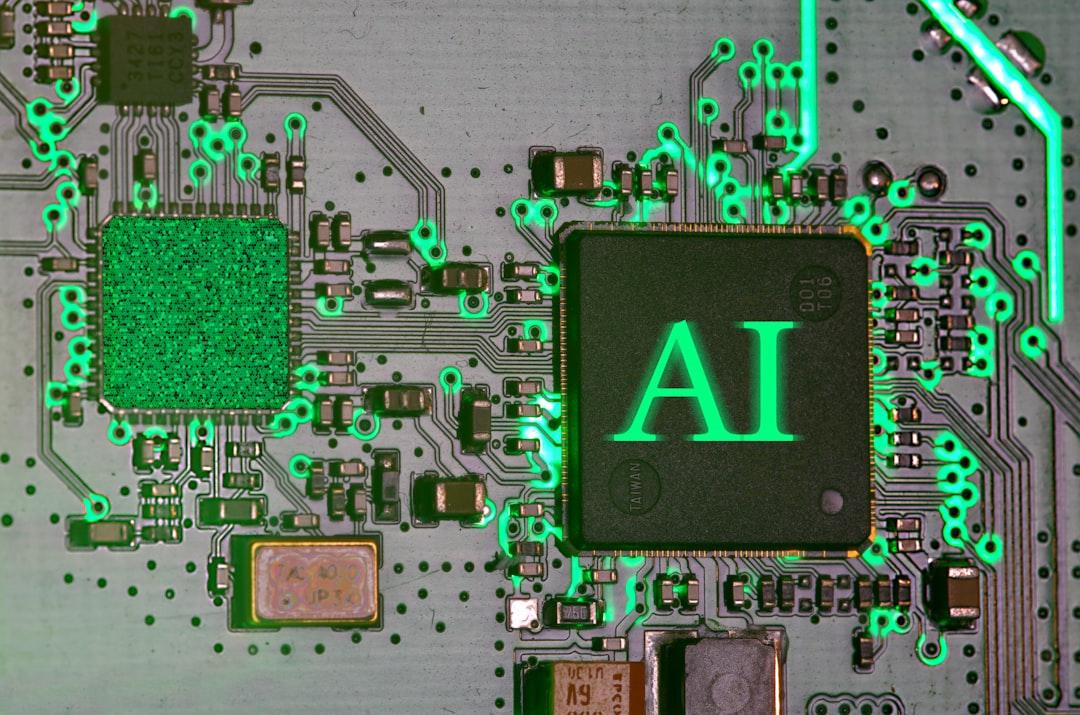
Key Takeaways
In a revelation that has sent shockwaves through the cybersecurity community, security researchers have confirmed that Microsoft’s Secure Boot—a foundational pillar of modern PC security—has harbored a critical vulnerability for the better part of a decade. Designed to ensure that a computer boots using only software that is trusted by the Original Equipment Manufacturer (OEM), this discovery suggests that the very gatekeeper intended to protect users from rootkits and boot-level malware has been bypassed for years.
For the past ten years, IT professionals and security experts operated under the assumption that Secure Boot provided an immutable chain of trust. However, the recent findings indicate that a flaw within the implementation allowed attackers to execute unauthorized code during the boot process, effectively rendering the security protocol ineffective against sophisticated, low-level threats.
Secure Boot is a feature of the Unified Extensible Firmware Interface (UEFI) that checks the digital signature of each piece of boot software. If the signature is valid, the system proceeds; if not, the system halts. The newly identified flaw highlights a failure in how specific firmware components interact with this validation process.
Security analysts explain that the vulnerability stems from a misconfiguration in the way Microsoft’s boot manager handles secondary signatures. By exploiting this gap, an attacker with physical access or administrative privileges could bypass the signature verification entirely. This allows for the injection of malicious bootloaders that can persist even after a complete operating system reinstall or hard drive wipe, as the infection resides at the firmware level.
While the discovery is significant, the impact is multifaceted. The systems most at risk are those where an attacker has already gained elevated access. However, because Secure Boot is meant to be the 'last line of defense,' the fact that it could be silently circumvented is a major blow to the industry's 'Zero Trust' architecture.
- Enterprise Risk: Large-scale corporate environments rely on Secure Boot to maintain compliance and system integrity. This flaw undermines the reliability of those security audits.
- Hardware Lifecycle: Because the vulnerability is baked into the firmware, patching it requires coordinated efforts between Microsoft and motherboard manufacturers.
- Persistence: Once a device is compromised through this boot-level exploit, traditional antivirus software is effectively blind to the threat, as the malware initializes before the OS even loads.
Fixing a decade-old oversight is not a simple task. Unlike a standard software update delivered via Windows Update, firmware-level vulnerabilities require UEFI updates. This process involves the cooperation of motherboard OEMs, which have historically been slow to distribute security patches for older hardware.
Microsoft has begun working on revocation lists—known as the DBX—which prevent the use of known-vulnerable bootloaders. However, the challenge lies in the sheer volume of devices currently in circulation. Many systems that have reached their 'end-of-life' status from manufacturers may never receive the necessary firmware updates, leaving them permanently susceptible to this class of attack.
As the industry pivots to address this oversight, the focus has shifted toward more robust hardware-level security, such as Microsoft’s 'Pluton' security processor. By moving security functions into the CPU silicon rather than relying on external, often fragmented firmware implementations, experts hope to create a more resilient boot environment.
For the average user, the discovery serves as a stark reminder that even the most 'secure' systems are subject to the limitations of human engineering. As we continue to integrate AI-driven threat detection and advanced cloud security, the fundamental hardware layer remains the most critical—and often most neglected—piece of the puzzle.
Experts advise that users should keep their BIOS/UEFI firmware updated to the latest versions provided by their hardware manufacturers and maintain vigilance regarding physical access to their devices. While this flaw has existed for a decade, the public disclosure is the first step toward closing a chapter on one of the most significant security oversights in recent history.
Enjoying this article?
Get the daily AI briefing sent straight to your inbox.
Frequently Asked Questions
What is Microsoft Secure Boot?
Secure Boot is a UEFI security standard that ensures a device boots using only software that is trusted by the manufacturer, preventing malicious bootloaders from running.
Does this flaw affect all Windows computers?
The vulnerability affects systems relying on the flawed implementation of Secure Boot. While not every system may be easily exploitable, the underlying vulnerability exists across a wide range of devices from the last ten years.
How can I protect my computer from this vulnerability?
Users should check their motherboard manufacturer's website for the latest UEFI/BIOS firmware updates and apply them immediately.
Comments
0Please sign in to leave a comment.
Related articles
Lorde Criticizes AI Glasses Trend, Questioning Reality in the Digital Age
Pop icon Lorde has publicly criticized the current wave of AI-integrated eyewear, sparking a debate on the intersection of technology, fashion, and human authenticity.
PrismML Debuts Bonsai 27B: Bringing High-Performance AI to Consumer Devices
PrismML has unveiled Bonsai 27B, an innovative set of low-bit models derived from Qwen3.6-27B that drastically reduces hardware requirements for advanced AI.
OpenAI Defends AI Development Practices Amid Apple Trade Secret Lawsuit
OpenAI has formally pushed back against a high-stakes trade secret lawsuit filed by Apple, asserting that its AI development processes are both ethical and independent.