- Mexico is exploring a bid to host the 2029 FIFA Club World Cup.
- The move aims to capitalize on infrastructure upgrades from the 2026 FIFA World Cup.
- President Claudia Sheinbaum views the bid as a strategy for long-term economic and sporting growth.
- Mexico's existing stadium renovations provide a competitive advantage for future event hosting.
Mexico Eyes 2029 FIFA Club World Cup Bid Following 2026 World Cup Success
President Claudia Sheinbaum signals Mexico’s ambition to remain a premier global football destination after the 2026 tournament concludes.
Jul 9, 2026·0 views
Key Takeaways
The landscape of international football is shifting, and Mexico is positioning itself at the very center of that transformation. Following the highly anticipated 2026 FIFA World Cup—which Mexico will co-host alongside the United States and Canada—the nation is already looking toward the horizon. President Claudia Sheinbaum has officially confirmed that Mexico is actively exploring a bid to host the 2029 FIFA Club World Cup, signaling a strategic intent to maintain the country’s momentum as a premier destination for world-class sporting events.
For Mexico, this is more than just a series of games; it is an economic and cultural strategy. By leveraging the infrastructure upgrades and the logistical expertise gained from the 2026 tournament, the Mexican government believes it can offer FIFA a ready-made solution for the expanded 32-team Club World Cup format. The goal is to prove that Mexico possesses not only the passion for the sport but also the technical capacity to manage high-stakes, multi-city international tournaments with precision.
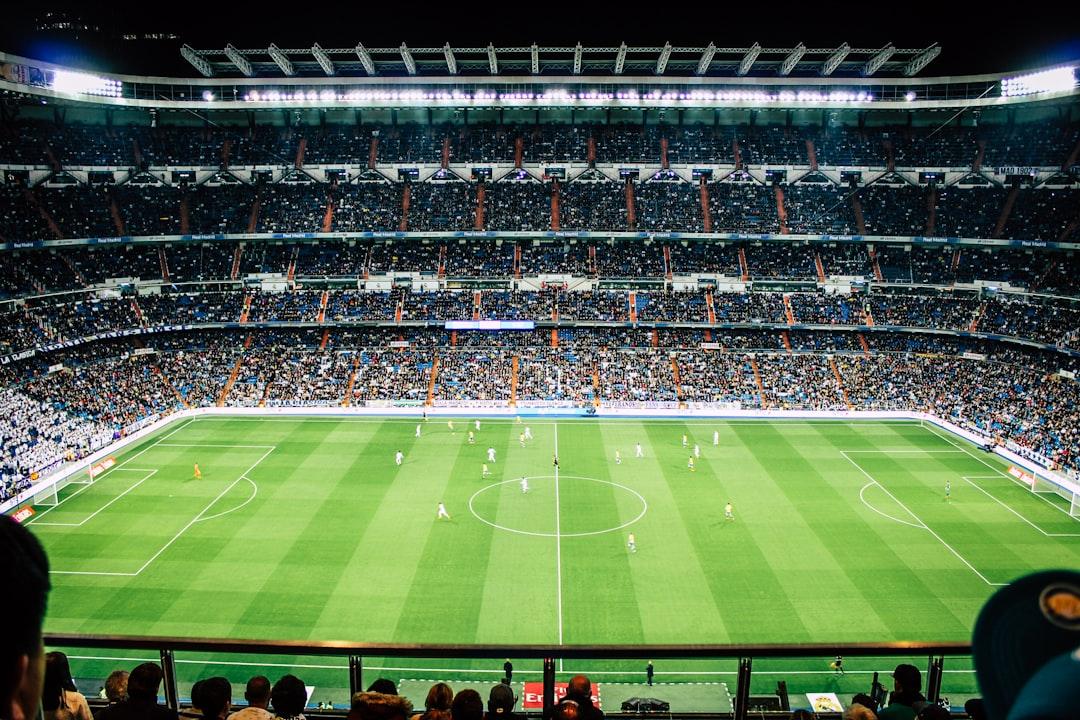
The primary advantage for Mexico in this potential bid is the significant investment currently flowing into its existing stadiums. Iconic venues such as Estadio Azteca in Mexico City, Estadio BBVA in Monterrey, and Estadio Akron in Guadalajara are undergoing extensive renovations to meet FIFA’s stringent requirements for the 2026 World Cup.
These upgrades include:
- Advanced pitch technology and drainage systems.
- Enhanced security and surveillance infrastructure.
- Modernized media centers and broadcast facilities.
- Increased luxury and corporate hospitality suites.
Because these venues will be "FIFA-ready" by 2027, the cost of hosting a 2029 event would be significantly lower for the Mexican organizing committee compared to starting from scratch. This fiscal efficiency is a cornerstone of President Sheinbaum’s administration, which seeks to maximize the return on public investment by ensuring that the 2026 tournament acts as a catalyst for long-term growth rather than a "one-off" event.
The FIFA Club World Cup has undergone a radical transformation. Moving from a smaller annual competition to a massive, quadrennial event featuring 32 of the world’s best clubs, the tournament is now positioned as a rival to the UEFA Champions League in terms of prestige and global viewership.
Hosting such an event would provide Mexico with several distinct advantages:
- Tourism Boost: The influx of international fans from Europe, South America, and Asia would provide a sustained boost to the hospitality and service sectors.
- Global Branding: Mexico would effectively cement its reputation as a safe and capable host for massive, multi-week global spectacles.
- Sporting Development: Local teams and players would gain exposure to elite international standards, potentially accelerating the development of the domestic Liga MX.
While the ambition is high, the road to securing the 2029 bid will not be without hurdles. Mexico will likely face stiff competition from other nations looking to prove their hosting capabilities. Furthermore, FIFA’s selection process for the Club World Cup is notoriously rigorous.
Critics have pointed to the need for continued investment in public transport and urban logistics within the host cities to ensure that the fan experience remains seamless. Additionally, the challenge of hosting a tournament during a different time of year compared to the World Cup will require careful coordination with domestic leagues, including Liga MX, to ensure that schedules do not conflict.
However, the Sheinbaum administration remains optimistic. By framing the bid as a continuation of the 2026 legacy, Mexico is betting that its history of hospitality and its deep-rooted football culture will outweigh any logistical concerns. As the world turns its eyes toward North America for the 2026 World Cup, Mexico is making it clear that the party is only just beginning.
Enjoying this article?
Get the daily AI briefing sent straight to your inbox.
Frequently Asked Questions
Is Mexico officially bidding for the 2029 Club World Cup?
President Claudia Sheinbaum has confirmed that the Mexican government is actively exploring and evaluating a bid for the event.
Why is Mexico well-positioned to host the 2029 Club World Cup?
Mexico will have recently completed extensive, FIFA-standard renovations on its major stadiums for the 2026 World Cup, reducing the need for new infrastructure investment.
Comments
0Please sign in to leave a comment.
Related articles
Harvey Araujo Urges Burton Albion to Find Stability After Peterborough Draw
Following a chaotic draw against Peterborough, Harvey Araujo insists Burton Albion must mature quickly to turn promising performances into crucial points.
The Ballon d’OF Countdown: Predicting the 2025-26 Football Elite
With the 2026 Ballon d'Or ceremony approaching, we break down the latest rankings and the methodology behind the coveted Ballon d’OF editorial selection.
Athletic Club Crisis: Gorka Guruzeta Out for Season With ACL Injury
Athletic Club confirms Gorka Guruzeta will miss the remainder of the season after suffering a season-ending cruciate ligament injury against Valencia CF.