- Masdar has achieved financial close on a 5.2GW solar and 19GWh storage project.
- The project is designed to provide 1GW of continuous, round-the-clock clean energy.
- This initiative marks a major shift in solving renewable energy intermittency issues.
- The project demonstrates that large-scale, integrated battery storage is now a bankable commercial reality.
Masdar Breaks Ground on World’s First 5.2GW Gigascale Solar-Storage Project
The ambitious project aims to deliver round-the-clock clean power, setting a new benchmark for global renewable energy infrastructure.
Jul 14, 2026·0 views
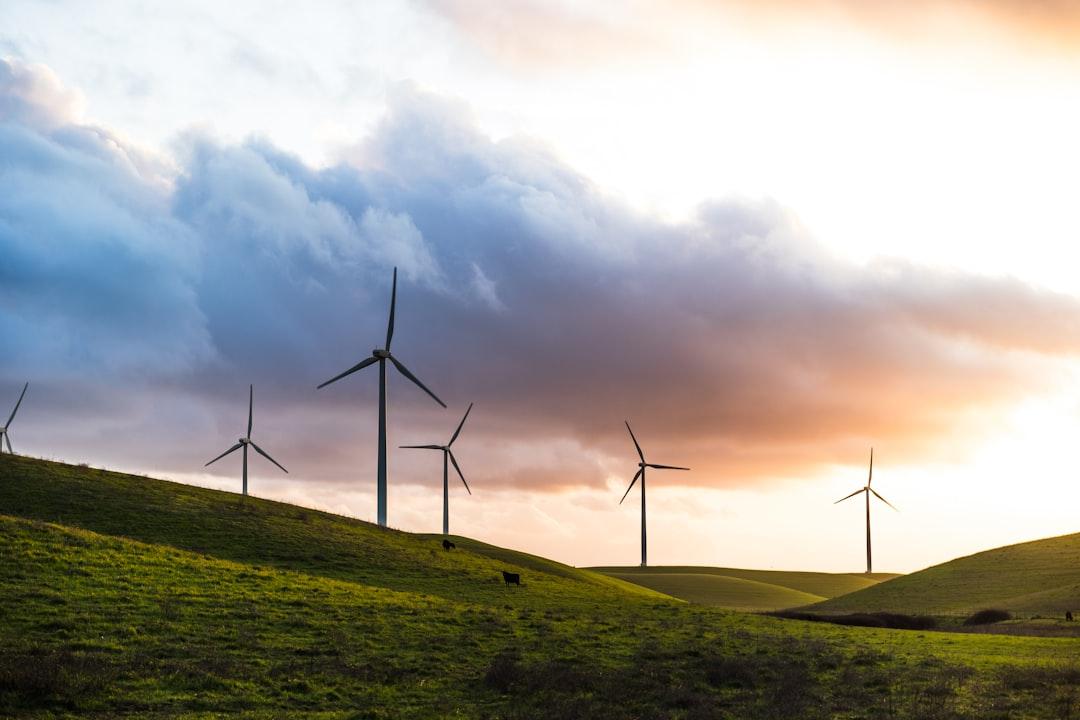
Key Takeaways
The global transition toward sustainable energy reached a significant milestone this week as Masdar officially reached financial close on what is being hailed as the world’s first "gigascale" Round-the-Clock (RTC) renewable energy project. This massive infrastructure undertaking, boasting a 5.2-gigawatt (GW) solar installation paired with a staggering 19-gigawatt-hour (GWh) battery energy storage system (BESS), represents a paradigm shift in how the world approaches intermittent energy sources.
Historically, the primary criticism leveled against solar and wind power has been their reliance on daylight or weather conditions. By integrating such a massive storage capacity with a utility-scale solar array, this project effectively solves the intermittency problem, allowing the facility to provide 1 GW of continuous, reliable clean electricity regardless of the time of day.
The sheer scale of this project is difficult to overstate. To put the 5.2 GW of solar capacity into perspective, this installation alone could power hundreds of thousands of homes, if not millions, depending on regional grid efficiency and consumption habits. However, it is the 19 GWh battery storage component that truly distinguishes this development from traditional solar farms.
Battery storage is the linchpin of the modern green grid. As countries move away from fossil fuel-based baseload power—such as coal and natural gas—they require a reliable buffer to manage peak demand. The 19 GWh capacity ensures that the energy harvested during peak sunlight hours can be dispatched deep into the night, effectively replacing the need for carbon-intensive peaker plants.
- Total Solar Capacity: 5.2 Gigawatts (GW)
- Battery Energy Storage System (BESS): 19 Gigawatt-hours (GWh)
- Continuous Output: 1 Gigawatt (GW) of stable, round-the-clock power
- Strategic Goal: Providing a viable, sustainable alternative to fossil-fuel baseload generation.
The successful financing of this project sends a clear signal to international markets: large-scale, long-duration energy storage is no longer a futuristic concept but a bankable commercial reality. Financial institutions are increasingly viewing integrated solar-plus-storage projects as lower-risk investments due to the improved reliability of the energy output.
For the renewable energy sector, this project serves as a blueprint. By combining massive generation potential with advanced grid-balancing capabilities, Masdar is demonstrating that the "intermittency trap" is a solvable engineering challenge. As global demand for electricity surges—driven in part by the rapid adoption of AI data centers and electric vehicle infrastructure—the ability to provide steady, carbon-free power at this scale is becoming a strategic necessity.
Integrating a project of this magnitude into an existing power grid is a complex endeavor. Beyond the hardware—the thousands of solar panels and massive lithium-ion or alternative chemistry battery banks—lies the software layer. Managing the flow of 19 GWh of stored energy requires sophisticated AI-driven grid management systems to predict demand spikes, manage charging cycles to preserve battery longevity, and ensure grid stability.
Industry experts note that this project will likely utilize advanced energy management systems (EMS) to balance supply and demand in real-time. This level of digital integration is essential for modernizing electrical grids that were originally designed for centralized, fossil-fuel-based generation rather than decentralized, variable renewable energy inputs.
As this project moves forward into the construction phase, the eyes of the global energy community will be fixed on its performance. If Masdar can successfully deliver 1 GW of continuous power as promised, it will provide the empirical evidence needed to accelerate similar projects worldwide.
This development is a cornerstone for the broader transition toward Net Zero. It moves the conversation beyond mere capacity (the total potential output) to actual reliability (the ability to keep the lights on 24/7). As policy frameworks continue to evolve in support of green energy, we can expect to see more "gigascale" projects that treat solar and storage not as two separate entities, but as a single, unified power plant capable of rivaling the performance of traditional energy infrastructure.
Enjoying this article?
Get the daily AI briefing sent straight to your inbox.
Frequently Asked Questions
What is the total solar capacity of the new Masdar project?
The project features a 5.2-gigawatt (GW) solar power installation.
How does the project provide round-the-clock power?
It uses a massive 19-gigawatt-hour (GWh) battery energy storage system to store excess solar energy produced during the day for use at night.
What is the main goal of this gigascale project?
The goal is to provide a reliable, 1 GW continuous stream of clean energy, effectively replacing the need for fossil-fuel-based baseload power plants.
Comments
0Please sign in to leave a comment.
Related articles
Priority Bicycles Unveils E-Sauce: The Electric Evolution of a Cult Classic
Priority Bicycles has officially electrified its playful Sauce model, introducing the E-Sauce to bridge the gap between simple urban commuting and high-performance e-biking.
Tesla Driver Asleep at Wheel in Crash Involving California Highway Patrol
Federal regulators and local authorities are investigating a serious Tesla collision in Fairfield, California, after a driver admitted to sleeping with FSD engaged.

Volkswagen Expands ID. Cross Lineup with New 37 kWh Battery Option
Volkswagen has introduced a new 37 kWh battery option for the ID. Cross, aiming to lower the entry price point for city-focused electric vehicle buyers.