- Manchester United is prioritizing elite managers with international experience, specifically those tied to the World Cup cycle.
- Michael Carrick is viewed as a vital stabilizing force, allowing the club to avoid a rushed or 'panic' appointment.
- The reputations of candidates like Thomas Tuchel are being heavily influenced by their tactical performances in international fixtures.
- INEOS is shifting toward a more patient, data-driven recruitment strategy that aligns club goals with global football trends.
Manchester United’s Managerial Crossroads: Why the World Cup Cycle is Redefining Old Trafford’s Future
As the Red Devils pivot from the Ruben Amorim era, the intersection of international prestige and domestic stability creates a high-stakes gamble for INEOS.
Jul 17, 2026·0 views
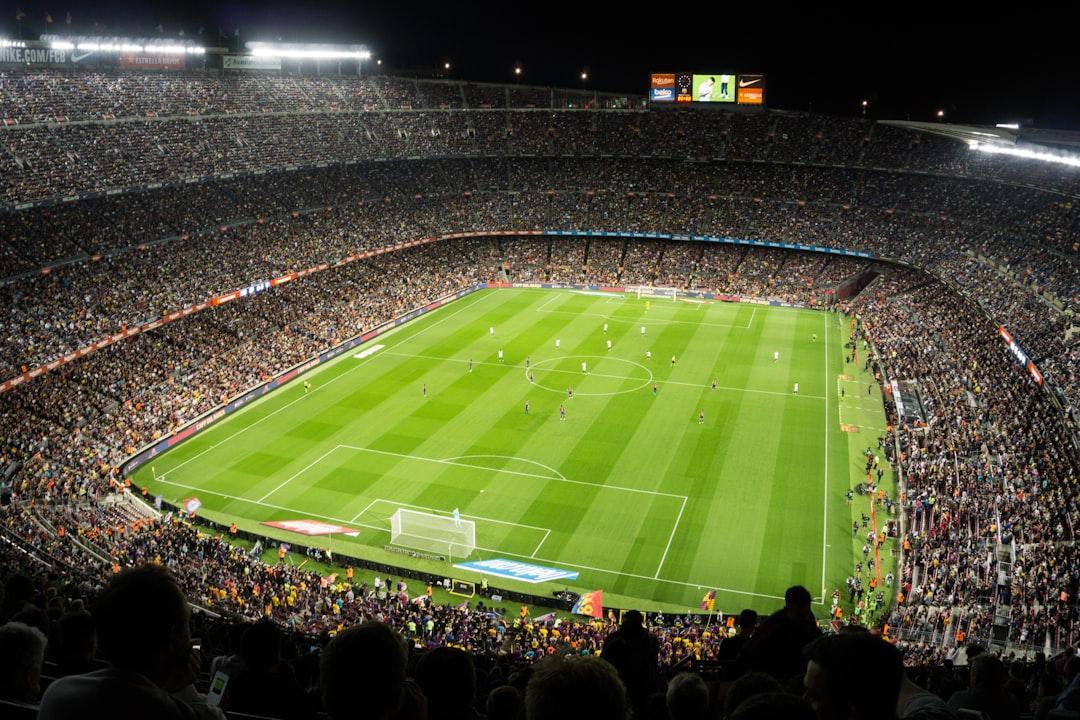
Key Takeaways
Manchester United’s decision to part ways with Ruben Amorim in January sent shockwaves through the footballing world, not because the dismissal was entirely unexpected, but because of the timing. Mid-season transitions are notoriously difficult for elite clubs, particularly those currently navigating the complex restructuring under the INEOS sporting department. However, the vacuum left by Amorim has opened a fascinating window into the club's long-term strategic thinking—one that is increasingly tethered to the rhythms of the international game and the upcoming FIFA World Cup 2026 cycle.
In the immediate aftermath of the dismissal, the narrative from Old Trafford was clear: the search for a successor would not be limited to available free agents. Instead, the club signaled a willingness to wait for the right profile, even if that meant targeting managers currently entrenched in national team setups. This shift reflects a broader trend in European football where the lines between elite club management and international prestige are blurring, with Manchester United positioning itself as the ultimate destination for the world’s most sophisticated tactical minds.
While the headlines are dominated by glamorous names, the presence of Michael Carrick in the dugout has provided Manchester United with something far more valuable than a high-profile CV: continuity. Carrick, who has previously demonstrated his ability to steady the ship during turbulent periods, represents a link to the club’s most successful era while possessing a modern tactical understanding that resonates with the current squad.
Manchester United can be profoundly thankful that Carrick is the one holding the reins during this transition. His calm demeanor and intimate knowledge of the Carrington environment allow the board to conduct their search without the frantic pressure of a free-falling league position. Carrick is more than a placeholder; he is a strategic buffer. By allowing the club to bypass a 'panic hire,' he has given the leadership the luxury of time—a rare commodity in the Premier League.
The names currently circulating in the corridors of power at Old Trafford—Carlo Ancelotti, Julian Nagelsmann, and Thomas Tuchel—represent the pinnacle of the coaching profession. However, each comes with a set of complications tied to their international commitments and recent performances on the global stage.
- Julian Nagelsmann: Currently leading the German national team, Nagelsmann represents the 'modern project' manager. His tactical flexibility and youth make him an ideal candidate for a multi-year rebuild. However, prying him away from the DFB ahead of a World Cup is a diplomatic and financial minefield.
- Carlo Ancelotti: The ultimate 'man-manager' and winner. Ancelotti’s name brings instant gravitas, but his historical preference for established stars over developmental projects might clash with the new INEOS philosophy of building from the ground up.
- Thomas Tuchel: Perhaps the most polarizing figure on the list. Tuchel’s tactical acumen is undisputed, yet his recent perceived struggles—specifically the tactical fallout from Germany’s high-profile encounters against Argentina—have raised questions. As the source material suggests, had Tuchel taken over immediately following a tactical disaster on the international stage, he would have entered Old Trafford on the back foot, facing a skeptical media and a restless fan base from day one.
The decision to target managers committed to the World Cup cycle is a double-edged sword. On one hand, it ensures that Manchester United is looking at coaches who can handle the highest possible pressure. On the other hand, it tethers the club’s fortunes to the volatile results of international tournaments.
If a target like Tuchel or Nagelsmann suffers a tactical collapse at the international level, their stock inevitably drops. The 'tactical disaster against Argentina' mentioned in recent reports serves as a cautionary tale; in the modern era, a manager’s reputation can be dismantled in a single 90-minute window of international football. Manchester United’s board must decide if they are hiring based on a career-long body of work or the most recent data point provided by the FIFA calendar.
This managerial search highlights a significant shift in the football industry. We are seeing the emergence of the 'Tournament Manager'—coaches who excel in high-stakes, knockout environments—being courted for the grueling, 38-game marathon of the Premier League. The recruitment process at United is no longer just about finding someone to win the next match; it is about finding a figurehead who can navigate the complexities of global branding, player data analytics, and the intense scrutiny of a 24-hour news cycle.
Furthermore, the influence of the FIFA World Cup 2026 cannot be overstated. As the first 48-team tournament approaches, the prestige associated with national team success is at an all-time high. For a club like Manchester United to successfully lure a manager away from a World Cup run, they must offer a project that is not only financially superior but also tactically more enticing than the prospect of global glory.
As the search continues, the priority for Manchester United must remain clear: alignment. The friction between the dugout and the boardroom has been the undoing of several previous regimes. Whether the club eventually lands a heavyweight like Ancelotti or opts for the visionary approach of Nagelsmann, the infrastructure must be ready to support them.
In the meantime, the Red Devils will continue to lean on the stability provided by Carrick. His role in this saga is a reminder that while elite names win headlines, it is the foundational culture of the club that wins trophies. By navigating this period with patience rather than impulsivity, Manchester United is signaling a maturity that has been absent for much of the last decade. The road to the 2026 World Cup is long, and for United, the path back to the top of the Premier League is equally arduous—but for the first time in years, the map seems to be in the right hands.
Enjoying this article?
Get the daily AI briefing sent straight to your inbox.
Frequently Asked Questions
Why is Manchester United looking at national team managers?
The club's leadership believes that managers capable of handling the pressure of a World Cup cycle possess the elite tactical and psychological skills required to rebuild United's global standing.
What role does Michael Carrick play in the current transition?
Carrick serves as the interim manager, providing tactical continuity and internal stability which allows the board to conduct a thorough search without the pressure of immediate results.
How did Thomas Tuchel's performance with Germany affect his chances?
Tactical setbacks on the international stage, such as those against top-tier teams like Argentina, create skepticism among the media and fans, potentially putting a new manager on the defensive from day one.
Comments
0Please sign in to leave a comment.
Related articles
Beyond the Bosphorus: Why Galatasaray’s Pursuit of Gleison Bremer Signals a New Era for Turkish Football
Galatasaray's exploratory move for Juventus center-back Gleison Bremer is more than a simple transfer rumor; it is a statement of intent that highlights the shifting financial and tactical tectonic plates between Serie A and the Süper Lig.
Beyond the Lilywhites: Is Cristian Romero’s Real Madrid Ambition the Final Test for Tottenham’s Project?
As rumors intensify surrounding Cristian Romero’s desire for a move to Real Madrid, Tottenham Hotspur finds itself at a crossroads. We examine the implications for the Premier League, the La Liga giants, and Romero’s role in Argentina’s FIFA World Cup 2026 title defense.
The Last Guardian: Craig Gordon and the Evolution of the Modern Goalkeeper
As tributes pour in for Craig Gordon, we analyze the enduring legacy of one of football's most resilient shot-stoppers and what his career reveals about the changing demands of elite goalkeeping in the modern era.