- England and Argentina opened their World Cup semi-final with high physical intensity.
- A total of 11 fouls were called within the first 24 minutes of play.
- Jude Bellingham maintained composure, choosing not to retaliate against aggressive tactics.
- The referee's decision to withhold early yellow cards sparked debate regarding match control.
Jude Bellingham Shrugs Off Physical World Cup Clash Amid Argentina Antics
The England star maintains his composure as tactical aggression defines a high-stakes semi-final showdown.
Jul 15, 2026·0 views
Key Takeaways
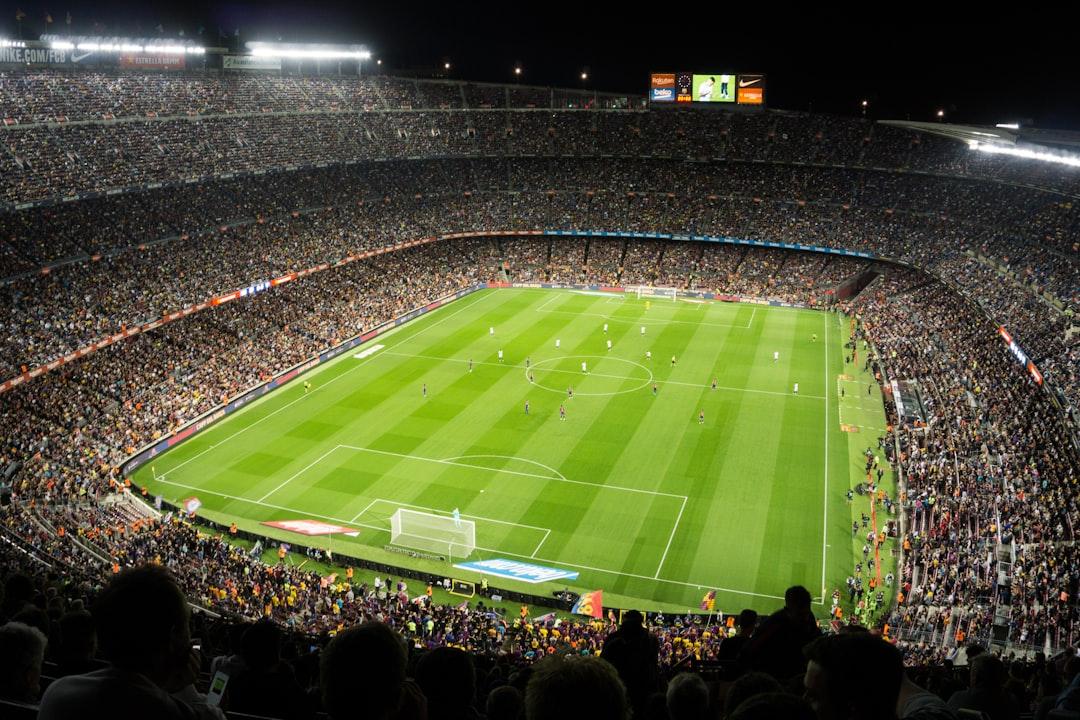
The atmosphere at the World Cup semi-final between England and Argentina was electric, but the opening minutes told a story of tactical aggression rather than fluid football. As the referee blew the whistle, the pitch quickly transformed into a battleground, with both sides looking to impose their physical dominance early on. In the first 24 minutes alone, 11 fouls were recorded, setting a frantic and confrontational tone for the remainder of the match.
Despite the relentless physical challenges and the heated nature of the contest, England’s midfield maestro, Jude Bellingham, remained remarkably unfazed. Known for his maturity beyond his years, Bellingham was seen laughing off several of the more aggressive antics from the Argentine side, signaling to his teammates that the team’s focus must remain on the tactical game plan rather than the off-the-ball skirmishes.
One of the most discussed aspects of the opening half-hour was the officiating. With 11 fouls occurring in under 25 minutes, many fans and pundits expected a flurry of yellow cards to bring the game under control. However, the referee opted for a more lenient approach, choosing to manage the game through verbal warnings rather than immediate disciplinary action.
This decision-making process sparked significant debate on social media and across broadcast networks. Critics argued that the lack of early cards emboldened players to continue testing the limits of physical contact. Conversely, proponents of the 'let them play' school of thought suggested that the referee was right to avoid disrupting the flow of such a high-stakes encounter, provided the game did not descend into dangerous territory.
Jude Bellingham’s reaction to the hostility has been widely praised by analysts. In a game where emotions often dictate performance, Bellingham’s ability to treat the physical challenges with a sense of detachment—and even humor—serves as a psychological anchor for England. By refusing to engage in retaliatory fouls or verbal spats, he maintained his concentration on the ball, ultimately dictating the tempo of the game whenever England held possession.
His demeanor underscores the modern athlete’s evolution. Where previous generations might have been baited into a reaction, players like Bellingham are increasingly trained to view tactical fouls as a sign of respect from the opposition—a recognition that the only way to stop them is to disrupt their rhythm through illegal means.
As the game progressed past the opening turbulence, the tactical reality became clear: Argentina’s goal was to break up England’s transition play. By fouling early and often, they successfully prevented the Three Lions from building momentum in the final third. However, this strategy carries inherent risks, particularly as players accumulate 'soft' fouls that put them on the verge of a booking.
For England, the challenge remains clear: capitalize on the space created by the opposition’s aggression. If Argentina continues to commit tactical fouls, they will eventually force the referee’s hand, potentially leading to a numerical advantage for England in the closing stages. The key for Gareth Southgate’s side will be to maintain the same discipline Bellingham displayed early on, ensuring they do not get drawn into a battle of attrition that favors the more cynical side.
This semi-final clash serves as a microcosm of the 2026 World Cup tournament’s intensity. As the stakes rise, the margin for error narrows, and physical confrontation becomes an inevitable byproduct of the desire to reach the final. For now, all eyes are on the pitch to see if Argentina’s high-foul count will eventually backfire or if they can sustain this level of pressure for the full 90 minutes. For Bellingham and his teammates, the mission is simple: keep the ball moving, keep the emotions in check, and let the scoreboard do the talking.
Enjoying this article?
Get the daily AI briefing sent straight to your inbox.
Frequently Asked Questions
How many fouls occurred in the first 24 minutes of the England-Argentina match?
There were 11 fouls recorded in the opening 24 minutes of the World Cup semi-final.
Did the referee issue yellow cards for the early fouls?
No, despite the high frequency of fouls, the referee did not issue any yellow cards in the opening 24 minutes.
How did Jude Bellingham react to the physical play?
Jude Bellingham remained composed and appeared to laugh off the physical antics, maintaining his focus on the game rather than retaliating.
Comments
0Please sign in to leave a comment.
Related articles
Athletic Club Crisis: Gorka Guruzeta Out for Season With ACL Injury
Athletic Club confirms Gorka Guruzeta will miss the remainder of the season after suffering a season-ending cruciate ligament injury against Valencia CF.
Napoli Star Alisson Santos Faces Another Injury Setback After Return
Napoli’s momentum hits a snag as Alisson Santos suffers a fresh injury blow immediately following his return to the pitch.
Kamari Doyle Urges Leicester City to Build Momentum After Doncaster Victory
Leicester City midfielder Kamari Doyle believes the club's recent triumph over Doncaster is the catalyst needed to spark a consistent winning streak.