- Jay-Z delayed his Yankee Stadium concert by nearly four hours to ensure fan safety.
- The delay was implemented to prevent dangerous crowd surges and potential trampling at stadium gates.
- The artist prioritized logistical safety over the scheduled show start time.
- The incident highlights the growing industry focus on crowd control and safety at large-scale live events.
Jay-Z Breaks Silence on Yankee Stadium Delay: Safety Over Schedule
The hip-hop mogul explains the critical logistical decisions behind a four-hour concert delay that left thousands of fans waiting in New York.
Jul 13, 2026·0 views
Key Takeaways
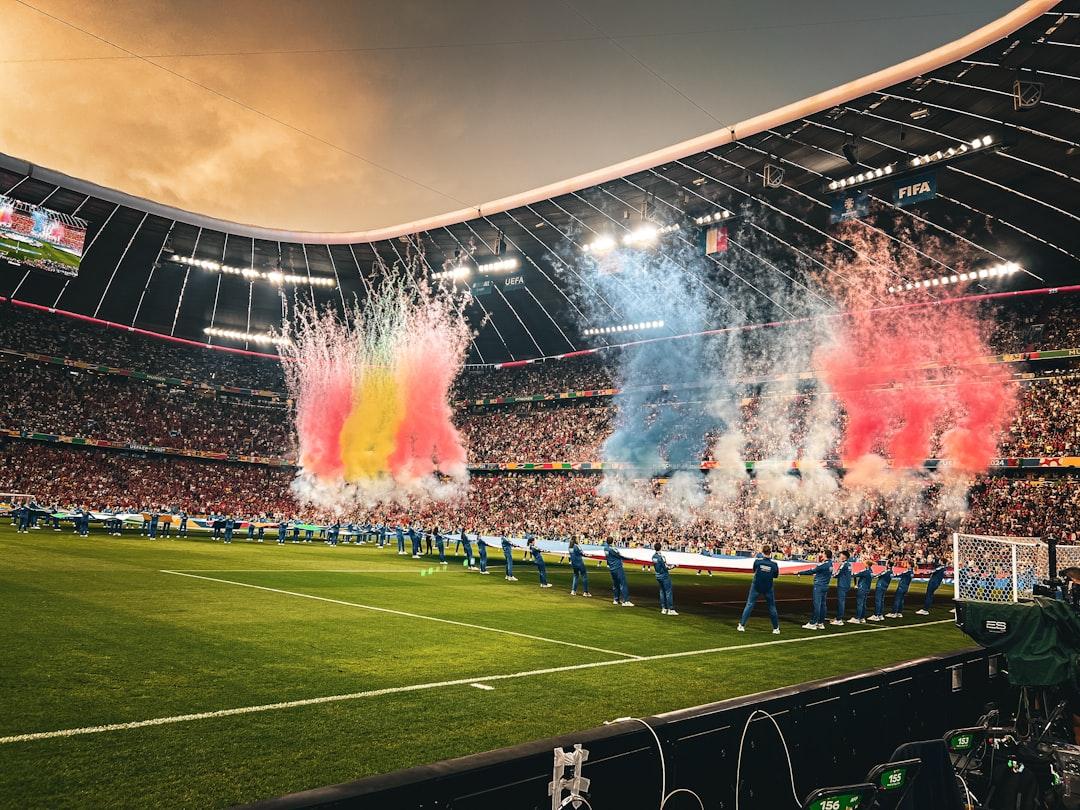
The atmosphere at Yankee Stadium was electric, charged with the kind of energy usually reserved for playoff baseball or historic championship bouts. Thousands of fans had gathered to witness a landmark performance by hip-hop titan Jay-Z. However, as the clock ticked past the scheduled start time, the anticipation began to curdle into frustration. By the time the music finally began, nearly four hours had passed since the original curtain time, leaving concertgoers and social media observers in a state of confusion.
Following the performance, Jay-Z addressed the elephant in the room. In a candid moment, the rapper expressed his sincere apologies for the inconvenience, explaining that the decision to delay the start was not born of negligence, but of a desperate need to prioritize human safety amidst a volatile logistical situation.
For major stadium events, the margin for error in crowd management is razor-thin. When thousands of people converge on a single venue, the flow of traffic, security screenings, and entry points must operate with clockwork precision. According to reports, the delay was largely necessitated by the massive volume of fans attempting to enter the stadium simultaneously, creating a bottleneck that threatened to turn dangerous.
Jay-Z emphasized that the primary concern was preventing the risk of a crush. In the modern era of live entertainment, the memory of past concert tragedies—where overcrowding led to injury and loss of life—weighs heavily on artists and promoters. By holding the start of the show, the production team effectively throttled the inflow of people, allowing security and venue staff to manage the density of the crowd more effectively.
- Controlled Entry: Holding the show allowed staff to pace the entry of fans, preventing dangerous surges at the gates.
- Logistical Buffer: The extra time provided a window to clear security bottlenecks that were becoming hazardous.
- Artist Responsibility: Jay-Z made it clear that while he regretted the delay, he refused to begin a high-energy performance while fans were still struggling to enter safely.
"I had to make sure everyone was OK," Jay-Z stated, reflecting on the decision. His comments serve as a reminder that for today’s mega-stars, the role of a performer extends far beyond the microphone. It now involves a complex oversight of the audience experience, where the artist often serves as the final authority on whether a venue has reached a breaking point.
This incident at Yankee Stadium highlights a growing trend in the entertainment industry: the shift toward hyper-cautious event management. Following several high-profile crowd control failures in recent years, artists, promoters, and venue operators are under increased scrutiny. The pressure to deliver a punctual show is now often balanced against the potential liability and moral imperative of ensuring that no fan is harmed in the process of attending a concert.
While fans were understandably frustrated by the long wait, the broader conversation has shifted to praise for the artist’s decision to avoid a potential "trampling" scenario. In a world where live events are becoming increasingly massive, the willingness of a performer to sacrifice their schedule for the sake of crowd safety is being viewed as a necessary, if difficult, standard of professional responsibility.
As the industry moves forward, this event will likely be cited as a case study for venue management. It underscores the importance of robust communication between the stage and the gates, ensuring that artists are kept informed of the physical state of their audience before they take the stage. For Jay-Z, the night was ultimately a success—not just because of the music, but because every fan who entered the stadium left it safely.
Enjoying this article?
Get the daily AI briefing sent straight to your inbox.
Frequently Asked Questions
Why was the Jay-Z concert at Yankee Stadium delayed?
The concert was delayed for nearly four hours to manage crowd flow and ensure the safety of fans entering the venue, preventing potential overcrowding and trampling.
Did Jay-Z comment on the delay?
Yes, Jay-Z apologized for the inconvenience and explained that he had to ensure everyone was safe before starting the performance.
Comments
0Please sign in to leave a comment.
Related articles
Hilda Hidalgo Returns to Fiction with Powerful New Drama 'Cousins'
Renowned filmmaker Hilda Hidalgo is set to direct her third fiction feature, 'Cousins,' marking a poignant return to narrative cinema after her previous festival successes.
Heretic Secures Rights to Denis Côté’s 'Nobody’s Violence' Ahead of Locarno
International sales powerhouse Heretic has picked up world rights to Denis Côté's latest film, 'Nobody’s Violence,' just before its Locarno Film Festival debut.
Sam Neill, Iconic Star of Jurassic Park and The Piano, Dies at 78
Sam Neill, the acclaimed New Zealand actor known for his roles in Jurassic Park and The Piano, has passed away at 78, leaving a profound void in the film industry.