- ITV plans an elaborate, Super Bowl-style half-time show for the 2026 World Cup final.
- The proposal faces potential rejection due to FIFA's strict 15-minute half-time limit.
- ITV is integrating advanced AR and AI technology to enhance the viewer experience.
- The network aims to capture a younger, broader audience through this hybrid sports-entertainment approach.
ITV Unveils Ambitious Broadcast Strategy for 2026 World Cup Final
The broadcaster prepares for a landmark event, navigating regulatory challenges and a high-stakes half-time spectacle.
Jul 15, 2026·0 views
Key Takeaways
As anticipation builds for the 2026 FIFA World Cup, ITV has officially pulled back the curtain on its ambitious broadcast strategy for the tournament’s grand finale. With the world’s eyes fixed on the biggest event in sports, the network is aiming to redefine the viewing experience by blending traditional match coverage with a high-production entertainment spectacle. However, the plan has not been without its fair share of controversy, particularly regarding the proposed half-time show.
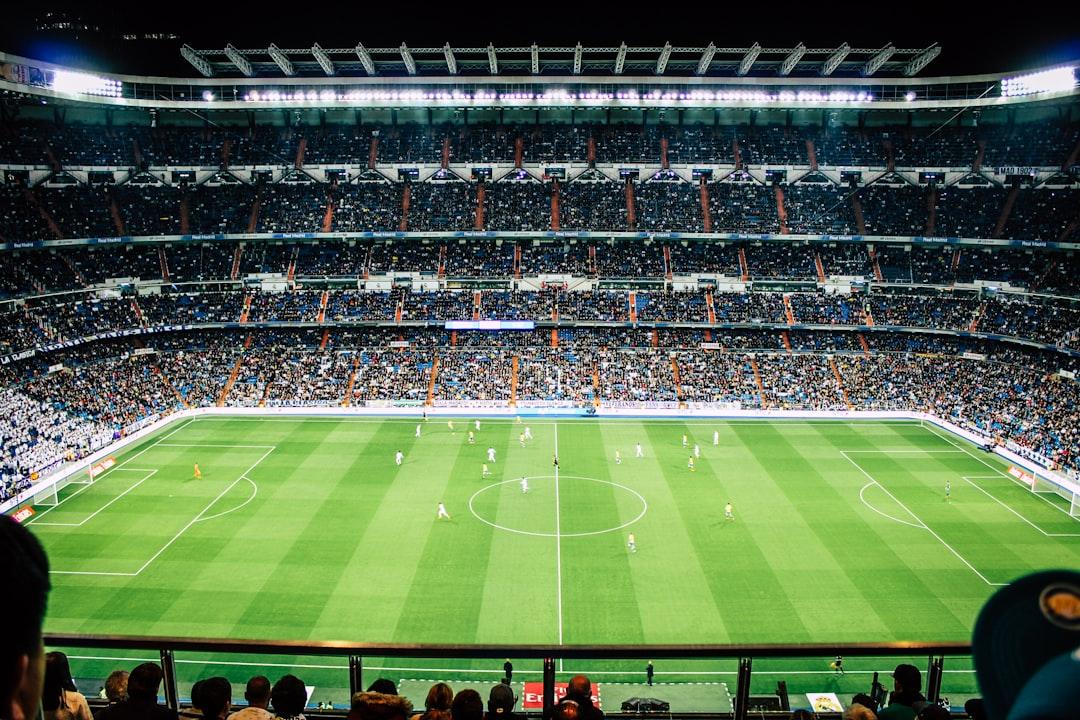
The centerpiece of ITV’s proposal is an elaborate half-time performance designed to mirror the grandeur of the Super Bowl. While the concept has been met with excitement from entertainment fans, it has triggered significant scrutiny regarding FIFA’s strict competition regulations.
Standard FIFA protocols mandate that the half-time interval for a World Cup final must remain strictly at 15 minutes. ITV’s current proposal suggests extending this window to as long as 25 minutes to accommodate the complex stage setup and musical performances. This potential breach of protocol has put the network in direct negotiations with football’s governing body, as officials weigh the benefits of a global entertainment spectacle against the integrity of the match itself.
Critics of the extended interval argue that a 25-minute break could disrupt the rhythm of the players and diminish the sporting intensity of the final. Professional athletes often rely on specific cooling and warming cycles during the traditional 15-minute window; extending this time could pose physical challenges for the teams competing for the trophy.
Conversely, supporters of the initiative point to the evolving nature of global sports broadcasting. As the lines between sports and entertainment continue to blur, networks are under increasing pressure to deliver content that appeals to a broader, casual audience—not just the die-hard football fanatics.
Beyond the half-time debate, ITV’s broadcast plan promises a technological leap forward. The network is reportedly investing heavily in augmented reality (AR) graphics and ultra-high-definition (UHD) camera arrays to provide a more immersive experience for home viewers.
- Immersive AR: Real-time player statistics and tactical heat maps will be overlaid directly onto the pitch view.
- Multi-Angle Streaming: Viewers will have the option to toggle between tactical, 'player-cam,' and traditional broadcast angles via the ITV digital platform.
- AI-Enhanced Audio: Utilizing machine learning to isolate crowd noise and player communication, the broadcast aims to bring the stadium atmosphere directly into the living room.
The 2026 World Cup, hosted across North America, represents a massive commercial opportunity for broadcasters. With record-breaking viewership numbers expected, ITV is positioning itself to capture the attention of a younger, digitally native demographic. By integrating a major musical event into the final, the network hopes to secure high engagement levels across social media platforms, turning the football match into a multi-platform cultural moment.
As the tournament approaches, the conversation will likely shift toward how FIFA manages these commercial pressures. Whether or not the governing body grants a temporary exemption for the half-time show remains to be seen. If the extension is approved, it could set a precedent for future international tournaments, signaling a permanent shift in how football is packaged for a global television audience.
For now, ITV remains committed to its vision. The network has stated that it is working closely with FIFA to ensure that all aspects of the broadcast satisfy both the regulatory requirements and the desire for a world-class entertainment product. As the final countdown begins, all eyes will be on the boardroom to see if the beautiful game will make room for a longer break.
Enjoying this article?
Get the daily AI briefing sent straight to your inbox.
Frequently Asked Questions
Why is ITV's World Cup half-time plan controversial?
ITV's plan proposes extending the half-time interval to 25 minutes, which conflicts with FIFA's strict 15-minute regulation for match intervals.
What technology will ITV use for the 2026 World Cup?
ITV is planning to utilize augmented reality (AR) overlays, multi-angle streaming, and AI-enhanced audio to provide a more immersive experience.
Comments
0Please sign in to leave a comment.
Related articles
The Grand Strategy of Real Madrid: How Bellingham’s Role and Tchouaméni’s Future Shape the Next Galácticos Era
Real Madrid's transfer priorities are shifting. Discover how Jude Bellingham's evolving midfield role and Aurélien Tchouaméni's long-term contract renewal are defining the club's blueprint for global dominance.
The Battle for the Shark: Why Barcelona and PSG Are Locked in a Tactical Tug-of-War Over Ferran Torres
Paris Saint-Germain's sudden pursuit of Ferran Torres has forced Barcelona into defensive action. We analyze the tactical, financial, and strategic reasons why both European giants are fighting for 'The Shark' ahead of a crucial season.
Thomas Meunier Joins Sunderland: A Strategic Coup for the Black Cats
Former PSG and Dortmund star Thomas Meunier has signed with Sunderland, citing the club's ambitious project as the primary driver behind his move.