- Anthropic has identified a 'hidden space' in LLMs using dictionary learning to map internal concepts.
- The research provides a breakthrough in AI interpretability, helping to identify how models 'think'.
- OpenAI is pivoting its strategy toward a 'super app' that consolidates various AI tools into one platform.
- The industry is balancing safety and transparency research with the need for consumer-friendly, integrated AI ecosystems.
Inside the Black Box: Anthropic’s Breakthrough and OpenAI’s Super App Ambition
Anthropic researchers unveil a new method for interpreting AI thoughts, while OpenAI pivots toward an all-encompassing platform strategy.
Jul 10, 2026·1 views
Key Takeaways
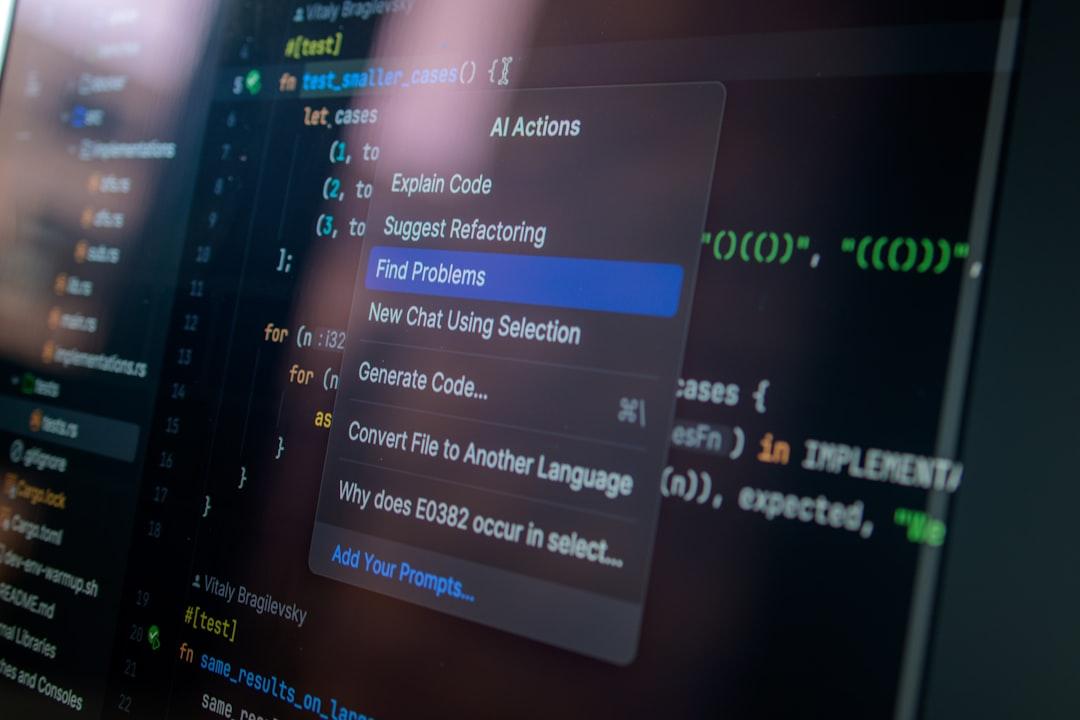
For years, the inner workings of large language models (LLMs) have been described as a "black box." We provide an input, the model processes it through billions of parameters, and an output appears. But what happens in the middle has largely remained a mystery. Anthropic, the AI research company behind the Claude series, has recently announced a significant milestone in AI interpretability: the discovery of a "hidden space" where the model maps and puzzles over complex concepts.
By utilizing a technique known as dictionary learning, researchers were able to decompose the activations within Claude’s neural network. Instead of seeing a chaotic jumble of numbers, they identified coherent, human-understandable features. For example, they found specific neurons that fire only when the model is considering concepts like "Golden Gate Bridge," "toxic behavior," or "scientific inquiry." This discovery is not merely academic; it is a vital step toward making AI systems more transparent, reliable, and safer for public use.
As AI models become increasingly integrated into critical infrastructure, understanding their decision-making logic is paramount. Anthropic’s research suggests that we might soon be able to "read" what an AI is thinking before it generates a response. This could allow developers to:
- Mitigate Bias: By identifying which features trigger biased outputs, developers can intervene at the structural level.
- Enhance Safety: Detecting "deceptive" patterns in the model's internal state before they manifest as harmful content.
- Improve Reasoning: Understanding how the model connects disparate concepts to solve multi-step problems.
While Anthropic focuses on the fundamental architecture of machine intelligence, OpenAI is making aggressive moves in the consumer space. Reports indicate that the organization is shifting its development focus toward a "super app" model. This strategy mimics the success of platforms like WeChat, aiming to consolidate various AI-powered tools—voice interaction, image generation, data analysis, and real-time research—into a single, unified interface.
This shift represents a fundamental change in how users interact with generative AI. Rather than jumping between different tools or specialized web interfaces, OpenAI envisions a seamless ecosystem where one assistant manages your calendar, writes your emails, edits your photos, and conducts deep-web research in a single thread. This convergence is designed to increase user retention and cement OpenAI’s position as the primary operating system for the AI era.
Transitioning to a super app environment is not without its risks. Critics point to several hurdles that OpenAI must clear to succeed:
- Platform Bloat: Balancing a wide array of features without compromising the speed and accuracy of the core LLM.
- Data Privacy: Centralizing user data across multiple domains creates a higher target for security breaches and regulatory scrutiny.
- Market Competition: With tech giants like Google and Microsoft integrating AI into their existing, entrenched ecosystems, OpenAI must convince users that its standalone super app offers a superior value proposition.
The divergence in focus between Anthropic and OpenAI highlights the two primary paths currently defining the tech industry. On one hand, you have the "research-first" approach, which seeks to master the mechanics of intelligence to ensure long-term safety and reliability. On the other, you have the "product-first" approach, which prioritizes accessibility and ecosystem dominance.
As we move into the latter half of 2026, the intersection of these two trends will likely define the market. If Anthropic can successfully operationalize its interpretability research, it could provide the "trust layer" that massive consumer applications like OpenAI’s super app desperately need. Conversely, if OpenAI succeeds in creating a frictionless user experience, it may set the standard for how all AI interactions occur globally.
Ultimately, both companies are racing toward the same goal: an AI that is not only powerful enough to assist with any task but also transparent and intuitive enough to be trusted by billions. Whether through the surgical precision of interpretability research or the expansive reach of a super app, the next chapter of AI development is clearly focused on moving beyond the hype and toward practical, integrated utility.
Enjoying this article?
Get the daily AI briefing sent straight to your inbox.
Frequently Asked Questions
What is the 'hidden space' in Claude?
It is a discovery by Anthropic researchers that identifies specific, interpretable features within a neural network that correspond to human-understandable concepts.
Why is OpenAI building a super app?
OpenAI aims to create a unified ecosystem that integrates voice, data, and creative tools to increase user retention and provide a seamless AI experience.
Comments
0Please sign in to leave a comment.
Related articles

How the AI Community is Building the Models That Big Tech Won't
When the perfect AI model doesn't exist, the modern developer doesn't wait—they build it. Here is how the open-source movement is reshaping the AI landscape.
Black Forest Labs Unveils FLUX.3: A New Benchmark for Open-Weight Image Models
Black Forest Labs has officially released FLUX.3, marking a significant leap in open-weight generative AI. Now fully integrated into the Hugging Face Diffusers library, the model promises enhanced image quality and developer accessibility.

Even Healthcare Hits $300M Valuation: Khosla Ventures Backs India Hospital Pivot
Even Healthcare has secured a fresh investment led by Khosla Ventures, reaching a $300 million valuation to expand its unique, member-first hospital network.