- FIFA has suspended Florian Balogun's red card, allowing him to play in the Round of 16.
- The decision has sparked debate over the consistency and transparency of modern officiating.
- Historical comparisons to the 1962 World Cup highlight long-standing concerns regarding FIFA's influence on match outcomes.
- The modern era uses VAR and technological oversight to mitigate, but not eliminate, human error in refereeing.
Historical Precedent: Revisiting the 1962 World Cup Officiating Controversy
As FIFA suspends Florian Balogun’s red card, we examine how past officiating scandals, including the 1962 final, shaped the modern game.
Jul 5, 2026·0 views
Key Takeaways
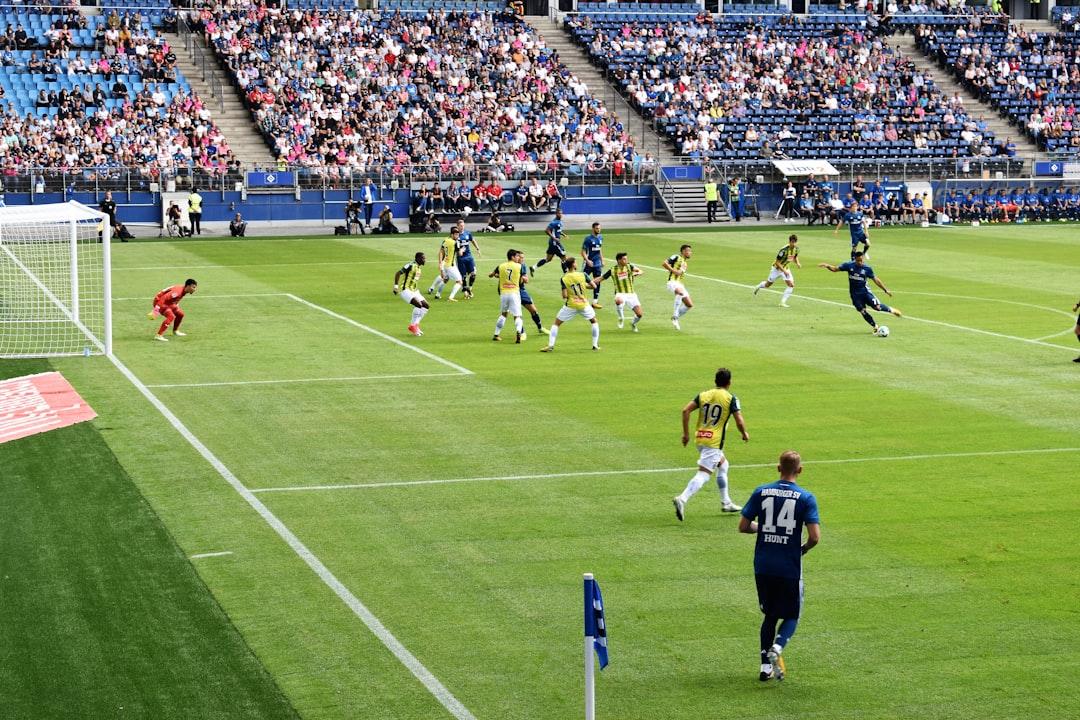
In a landmark decision that has rippled through the footballing world, FIFA has officially announced that the red card issued to American striker Florian Balogun has been suspended on probation. This ruling clears the path for Balogun to participate in the high-stakes Round of 16 clash against Belgium, scheduled for Tuesday at 2 a.m. While the move has been welcomed by fans of the U.S. national team, it has also reignited a long-standing discourse regarding the consistency of officiating and the governing body's power to intervene in match-deciding disciplinary actions.
Historically, FIFA has been notoriously hesitant to overturn on-field decisions. The governing body’s intervention in the Balogun case is being viewed by many as a progressive shift toward a more transparent, albeit complex, disciplinary framework. However, this is not the first time the integrity of tournament officiating has been brought under the microscope. To understand the weight of this decision, one must look back to the foundational controversies that defined international football, most notably the 1962 FIFA World Cup.
Long before the introduction of VAR (Video Assistant Referee) and the current era of high-tech oversight, the 1962 World Cup in Chile served as a crucible for officiating scandals. The tournament, marred by physical play and questionable refereeing, culminated in a final that many historians and purists argue was fundamentally skewed by external pressures and referee bias.
During that era, the lack of centralized oversight meant that referees held near-absolute power. In the 1962 final between Brazil and Czechoslovakia, observers noted that several key decisions appeared to favor the South American giants, leading to accusations that FIFA’s leadership had exerted influence to ensure a favorable outcome for the tournament's commercial success. The Balogun case, while modernized, mirrors these fears—the idea that the 'big stage' requires the presence of star players, regardless of the initial on-field infraction.
Modern football operates in a vastly different landscape than it did in 1962. With the integration of AI-assisted tracking and real-time video analysis, the margin for human error has significantly decreased. Yet, the question of 'intent' and 'severity' remains subjective. The suspension of Balogun’s red card is based on a probationary review process, a mechanism designed to catch instances where the letter of the law might have been applied too rigidly, causing an injustice that outweighs the original foul.
Analysts suggest that this new approach is a direct response to the global outcry over inconsistent officiating. By allowing a player to return to the pitch, FIFA is attempting to strike a balance between maintaining the authority of the referee and ensuring that the most important matches of the tournament are not decided by a single, potentially erroneous, whistle.
- Technological Integration: Unlike 1962, modern matches are reviewed by a team of VAR officials who provide a secondary layer of analysis.
- Transparent Communication: FIFA is now under greater pressure to explain the rationale behind disciplinary reversals, moving away from the opaque decision-making processes of the mid-20th century.
- Player Advocacy: Modern player unions and national federations have more leverage to appeal decisions, creating a checks-and-balances system that did not exist during the mid-century World Cup era.
As the world prepares for the Round of 16, the focus remains on whether this precedent will become the new standard. If FIFA continues to intervene in disciplinary rulings, it risks undermining the authority of match officials on the ground. Conversely, if it ignores legitimate grievances, it risks perpetuating the same type of skewed outcomes that critics accused the organization of facilitating in 1962.
For Balogun and the United States, the focus must now shift back to the pitch. The opportunity to play against Belgium is a second chance—a rarity in professional football. Whether this decision is viewed as a triumph of justice or a sign of institutional bias will likely be decided by the outcome of the match itself. As the tournament progresses, the eyes of the world remain fixed not just on the ball, but on the men in the booth making the calls that define the beautiful game.
Enjoying this article?
Get the daily AI briefing sent straight to your inbox.
Frequently Asked Questions
Why was Florian Balogun's red card suspended?
FIFA suspended the red card on probation after a review process, allowing the player to participate in the upcoming Round of 16 match.
What is the historical significance of the 1962 World Cup in relation to officiating?
The 1962 World Cup is often cited by historians as a tournament where refereeing decisions were perceived as biased or influenced by the governing body, setting a precedent for debates on officiating integrity.
How does modern VAR affect FIFA's disciplinary decisions?
VAR provides a secondary layer of analysis that helps reduce clear errors, though the final decision on disciplinary reversals remains with FIFA's governing committees.
Comments
0Please sign in to leave a comment.
Related articles
Real Madrid Finalizing Key Contract Renewals to Secure Future Core
Real Madrid is currently finalizing paperwork for major contract renewals, ensuring that their brightest young stars remain at the Santiago Bernabéu.
Kylian Mbappé Claims Onze d'Or Trophy Ahead of Ballon d'Or Ceremony
As the football world turns its eyes toward the Ballon d'Or, Kylian Mbappé has been honored with the Onze d'Or, underscoring a dominant year on the pitch.
Premier League Injury Crisis: Updates on Erling Haaland and Antoine Semenyo
Manchester City's Erling Haaland and Bournemouth's Antoine Semenyo have emerged as injury concerns, casting doubt over their availability for upcoming fixtures.