- The Happy Planet Index measures sustainable wellbeing through life expectancy, happiness, and ecological footprint.
- No nation has yet achieved a sustainable balance between high human wellbeing and ecological limits.
- The report highlights the need for a shift from GDP-focused growth to policies emphasizing resource efficiency and social sufficiency.
- High-income nations continue to rely on unsustainable consumption patterns that threaten long-term global climate goals.
Happy Planet Index: The Global Struggle for Sustainable Wellbeing
New data from the Hot or Cool Institute highlights a widening gap between human prosperity and environmental sustainability.
Jul 14, 2026·0 views
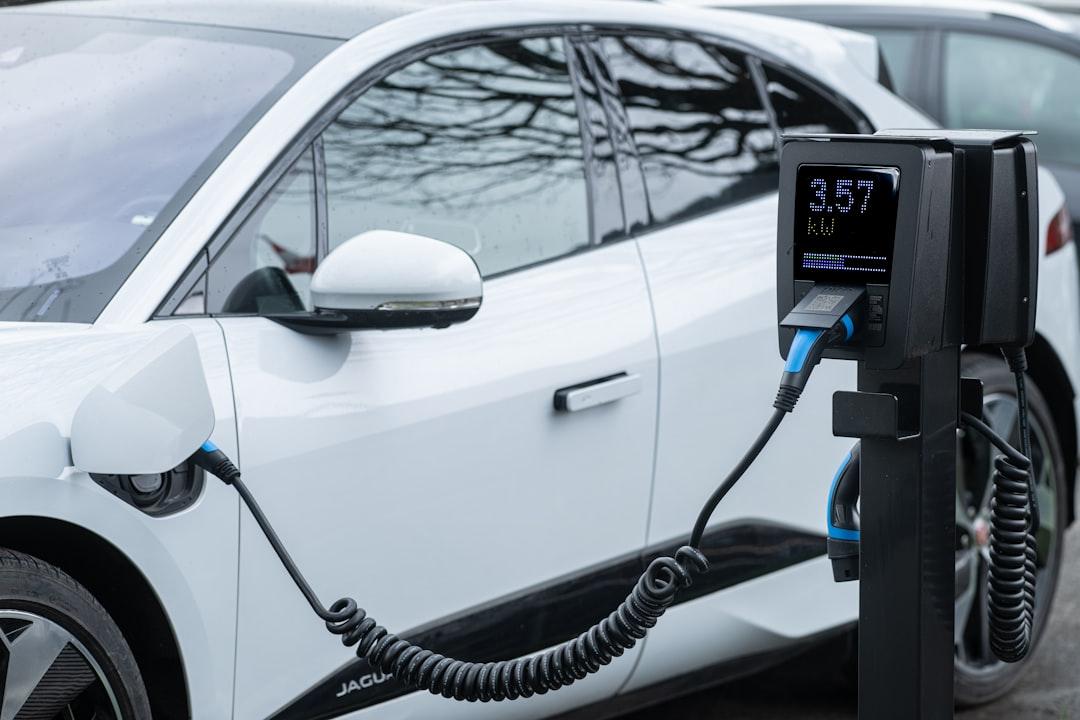
Key Takeaways
For decades, the global community has relied on Gross Domestic Product (GDP) as the primary indicator of national success. However, a growing chorus of economists and environmentalists argues that GDP fails to account for the most critical factors of human experience: longevity, personal happiness, and, crucially, the preservation of our planet. The latest edition of the Happy Planet Index (HPI), released this week by the Hot or Cool Institute, offers a sobering alternative perspective on how nations are faring in the 21st century.
The HPI is not merely a happiness survey. It is a sophisticated calculation derived from three distinct components: average life expectancy, self-reported wellbeing, and the ecological footprint of a nation. By measuring how efficiently a country converts its natural resources into long, happy lives for its citizens, the HPI provides a unique lens through which to view the global climate crisis.
The most striking finding from the 2026 report is the realization that no country on Earth has yet achieved the ideal "Good Life" threshold—a state where citizens experience high levels of wellbeing within the bounds of planetary sustainability. The research underscores a persistent, uneven progress toward climate goals, suggesting that high-income nations continue to rely on resource-heavy consumption models that are fundamentally incompatible with long-term ecological stability.
While some nations show high levels of life satisfaction, they often achieve these results by over-extracting resources, effectively "borrowing" from the future or from other regions of the world. Conversely, nations with lower ecological footprints often struggle with lower life expectancy or systemic barriers to wellbeing. This dichotomy highlights the core challenge of modern governance: decoupling human progress from environmental degradation.
To understand the HPI findings, one must look at how the three pillars interact:
- Life Expectancy: A reflection of healthcare infrastructure, nutrition, and social stability.
- Self-Reported Wellbeing: An assessment of how citizens perceive their own quality of life, accounting for mental health and social connection.
- Ecological Footprint: A measure of the land and water area required to produce the resources a population consumes and to absorb its waste.
The report indicates that while technology and medical advancements are pushing life expectancy numbers up globally, the corresponding rise in the ecological footprint is moving in the wrong direction. The Hot or Cool Institute suggests that without a systemic shift in how we produce and consume energy, these gains will eventually be negated by the environmental consequences of climate change.
What does this mean for global policy? The HPI serves as a wake-up call for governments to move beyond simple economic growth models. The report argues that economic policy must prioritize "sufficiency" rather than perpetual expansion. This involves investing in renewable energy, circular economy practices, and social safety nets that promote health without requiring excessive carbon output.
Critics of the index often point to the difficulty of changing global economic systems, but the Hot or Cool Institute maintains that the data is clear: the current trajectory is unsustainable. By highlighting the "uneven progress" of nations, the index provides a roadmap for policymakers to identify which areas—whether it be energy efficiency, public health, or social equity—require the most urgent intervention.
As we look toward the latter half of the decade, the HPI will likely become an essential tool for NGOs and intergovernmental organizations. If we are to meet the ambitious climate goals set out in international treaties, we must first change how we define success. The Happy Planet Index challenges us to imagine a world where prosperity does not cost the Earth, and where the "good life" is accessible to all without compromising the needs of future generations.
Ultimately, the 2026 findings are not meant to induce despair, but to catalyze action. By exposing the disconnect between our current lifestyle and our environmental limits, the HPI provides the evidence needed to demand more sustainable, people-centered policies from our leaders.
Enjoying this article?
Get the daily AI briefing sent straight to your inbox.
Frequently Asked Questions
What is the Happy Planet Index?
The Happy Planet Index (HPI) is a metric that measures sustainable wellbeing by combining life expectancy, self-reported wellbeing, and ecological footprint data.
Why is the HPI considered a better measure than GDP?
Unlike GDP, which only measures economic output, the HPI accounts for human quality of life and the environmental cost of achieving that life, offering a more holistic view of national success.
What did the 2026 report conclude?
The 2026 report concluded that no country has yet reached a state of high wellbeing that is also environmentally sustainable, indicating that current economic models are still failing the planet.
Comments
0Please sign in to leave a comment.
Related articles
Tesla Driver Asleep at Wheel in Crash Involving California Highway Patrol
Federal regulators and local authorities are investigating a serious Tesla collision in Fairfield, California, after a driver admitted to sleeping with FSD engaged.
Volkswagen Expands ID. Cross Lineup with New 37 kWh Battery Option
Volkswagen has introduced a new 37 kWh battery option for the ID. Cross, aiming to lower the entry price point for city-focused electric vehicle buyers.

Tesla’s Next-Gen Roadster: Engineering Marvel or Marketing Hyperbole?
Is the new Tesla Roadster a legitimate leap in automotive engineering, or are its 'flying' capabilities merely a marketing stunt? We dive into the physics.