- The 2026 World Cup final halftime show will feature a joint performance by the New York Philharmonic and the Simón Bolívar Symphony Orchestra.
- Renowned conductor Gustavo Dudamel will lead the ensemble in a tribute to Venezuela following recent earthquakes.
- The performance aims to blend high-culture arts with the global scale of the FIFA World Cup.
- Organizers are implementing advanced acoustic technology to ensure high-quality sound within a stadium environment.
Gustavo Dudamel to Lead Historic Joint Orchestra at 2026 World Cup Final
The New York Philharmonic and Venezuela’s Simón Bolívar Symphony Orchestra will unite for a powerful halftime tribute at the FIFA World Cup Final.
Jul 14, 2026·0 views
Key Takeaways
The 2026 FIFA World Cup final is poised to transcend the boundaries of sports and entertainment. In an unprecedented move, organizers have announced that the halftime show will feature a historic collaboration between two of the world’s most prestigious musical institutions: the New York Philharmonic and the Simón Bolívar Symphony Orchestra of Venezuela. This ambitious performance will be conducted by the world-renowned maestro Gustavo Dudamel, marking a significant cultural milestone for the tournament.
This announcement underscores FIFA’s intent to elevate the World Cup halftime show to a level of artistic significance rarely seen in professional athletics. By integrating classical music with the global spectacle of football, the organizers are aiming to create a moment of unity that resonates far beyond the confines of the stadium.
The centerpiece of this collaborative performance is a deeply personal tribute. The joint ensemble will perform a specialized arrangement dedicated to the people of Venezuela, who are currently navigating the aftermath of a series of devastating earthquakes. The choice of the Simón Bolívar Symphony Orchestra—an institution deeply woven into the cultural fabric of Venezuela—alongside the New York Philharmonic, serves as a powerful symbol of international solidarity.
Gustavo Dudamel, who has long been a champion of musical education and global outreach, is uniquely positioned to bridge these two orchestras. His leadership is expected to bring a level of emotional depth and technical precision that will define the halftime spectacle. For many viewers, this performance will not just be a musical interlude, but a poignant reminder of the resilience of the human spirit in the face of natural disaster.
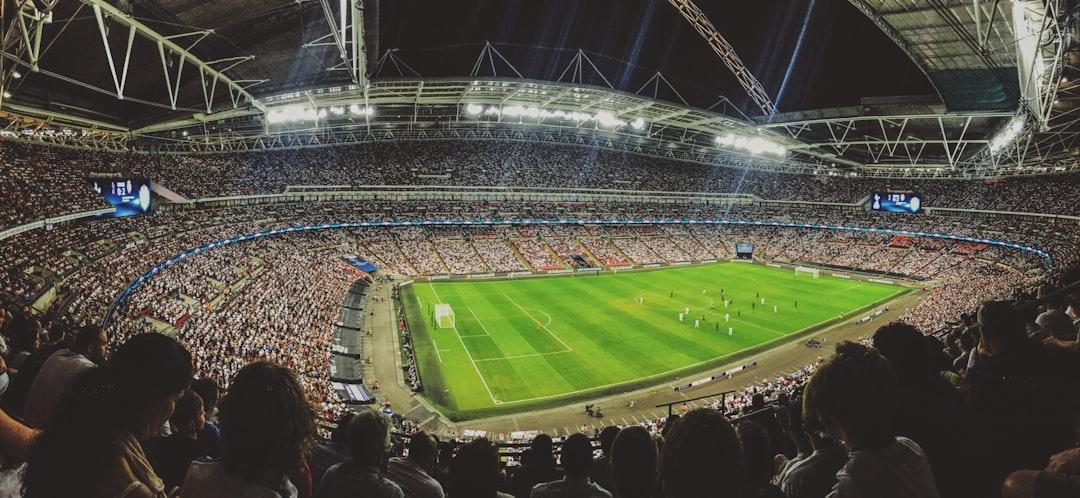
Orchestrating a performance of this magnitude on a football pitch presents a unique set of logistical challenges. Unlike a traditional concert hall, the MetLife Stadium—or whichever venue hosts the final—requires specialized acoustic engineering to ensure that the sound of a full orchestra reaches both the live audience and the hundreds of millions of viewers watching from home.
Preparations for this performance have been underway for months, involving:
- Collaborative Rehearsals: Integrating musicians from two different continents requires meticulous coordination of schedules and musical arrangements.
- Acoustic Engineering: Specialized audio technology will be deployed to ensure the orchestral depth is preserved amidst the roar of a capacity crowd.
- Thematic Integration: The performance is being curated to seamlessly transition from the high-energy atmosphere of the game to a moment of solemn, reflective beauty.
The 2026 World Cup is already being touted as the most expansive tournament in history, and the inclusion of high-culture elements like this orchestral performance signals a shift in how FIFA views its entertainment programming. By moving away from purely pop-centric halftime shows, the organization is attempting to appeal to a broader, more diverse global audience.
This approach aligns with the "global citizen" branding that many modern sporting events are adopting. By highlighting the humanitarian cause of the Venezuelan earthquake relief through music, the World Cup is effectively using its massive platform to bring attention to global issues. It is a strategic move that balances entertainment value with social responsibility, ensuring that the final is remembered for its cultural impact as much as the final score on the pitch.
As the tournament approaches, anticipation continues to build. The involvement of Gustavo Dudamel and these world-class orchestras ensures that the 2026 World Cup final will be etched into history not just as a sporting event, but as a cultural phenomenon. For music lovers and football fans alike, the halftime show is now a "must-watch" segment, promising a blend of athletic intensity and symphonic grandeur that is unlikely to be replicated in the near future.
Enjoying this article?
Get the daily AI briefing sent straight to your inbox.
Frequently Asked Questions
Who is conducting the World Cup 2026 halftime performance?
The performance will be conducted by the world-renowned maestro Gustavo Dudamel.
Which orchestras are performing at the 2026 World Cup final?
The New York Philharmonic and the Simón Bolívar Symphony Orchestra of Venezuela will perform together.
What is the theme of the World Cup 2026 halftime show?
The performance serves as a tribute to Venezuela following the country's recent devastating earthquakes.
Comments
0Please sign in to leave a comment.
Related articles
New Line Cinema Casts Leads for The Conjuring: First Communion Prequel
New Line Cinema has officially cast its young Ed and Lorraine Warren for the upcoming horror prequel, The Conjuring: First Communion.

Netflix Expands Content Strategy With Celebrity Chef Nick DiGiovanni Deal
Netflix has announced an exclusive partnership with culinary creator Nick DiGiovanni, marking a major shift in how the platform integrates digital-first talent.
How to Stream Spain vs. France: Your Guide to the 2026 World Cup Semifinals
With the 2026 World Cup semifinals officially underway, here is everything you need to know to stream Spain versus France live from anywhere in the world.