- Opal is a new no-code tool from Google Labs designed to build AI mini-apps.
- The platform leverages the 'Breadboard' framework to visualize and connect AI components.
- It allows users to convert natural language prompts into functional automation workflows.
- Opal is currently a powerful tool for rapid prototyping and personal productivity automations.
Google Opal: How Google Labs’ No-Code Tool is Transforming AI Automation
Google's new experimental platform, Opal, is bridging the gap between natural language prompts and functional AI mini-apps.
Sep 19, 2026·0 views
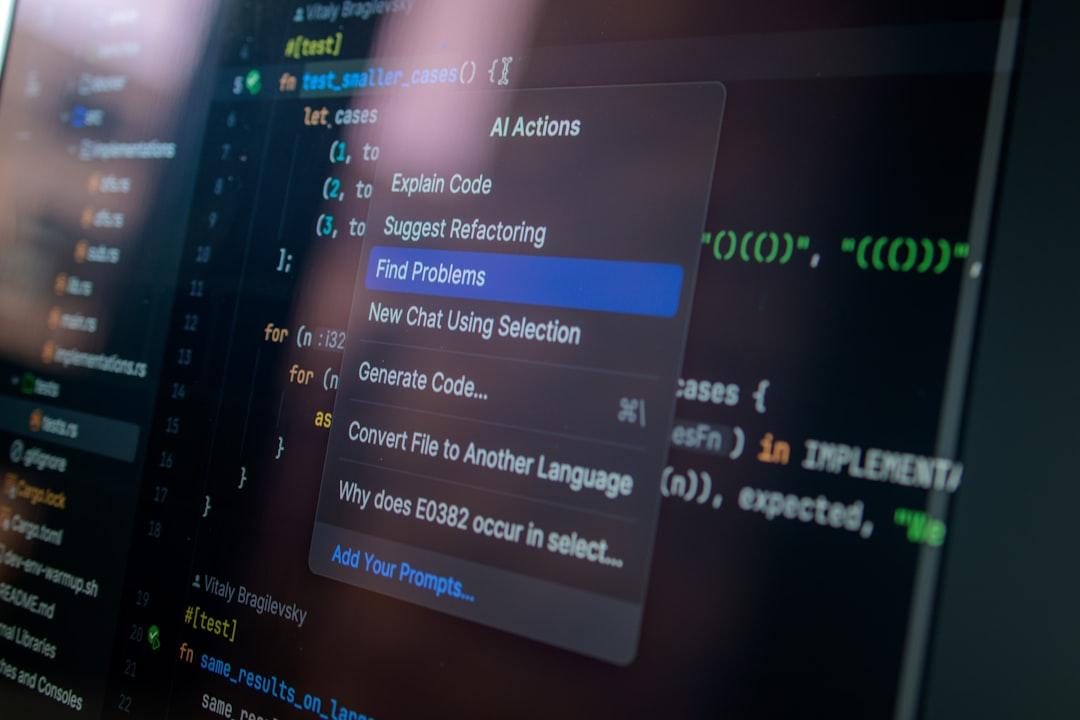
Key Takeaways
The landscape of artificial intelligence is shifting rapidly. For years, the barrier to entry for building custom AI solutions was a deep understanding of Python, API integration, and complex data structures. However, Google Labs has recently unveiled a compelling solution aimed at democratizing this process: Opal. Built upon the sophisticated 'Breadboard' framework, Opal serves as a no-code interface that allows users to translate natural language instructions into functional, automated AI mini-apps.
At the core of Opal lies the Breadboard framework. For those unfamiliar with Google’s internal toolsets, Breadboard acts as a visual representation of how different AI components—such as large language models (LLMs), web search tools, and data parsers—interact with one another. By abstracting this complexity into a no-code environment, Opal allows power users and developers alike to experiment with AI workflows that were previously locked behind professional software engineering roles.
- Natural Language Translation: Users describe their desired AI behavior in plain English, and Opal maps these requirements to the necessary logic chains.
- Modular Design: Because it is built on Breadboard, users can drag and drop different AI components to create a custom 'circuit' of automation.
- Rapid Prototyping: What used to take days of coding can now be achieved in minutes, making it an ideal environment for testing hypotheses and workflow ideas.
One of the most significant advantages of using Opal is the ability to create highly specific automations that solve niche problems. For instance, a user might require an AI tool that scans specific RSS feeds, summarizes the content based on a set of pre-defined criteria, and then formats the output for a project management board. In a traditional development environment, this would require managing multiple API keys and setting up server-side scripts. With Opal, the logic is handled within the visual interface.
Many early adopters are using Opal to handle repetitive tasks that involve cross-platform data movement. By connecting an LLM to external web search tools, users can build mini-apps that perform market research, aggregate news, or even draft professional responses to emails based on live data. The beauty of the system lies in its iterative nature; if an automation isn't performing as expected, the user can simply refine the natural language prompt or adjust the connections within the Breadboard visualizer.
Google Labs has a long history of releasing experimental tools that eventually influence the broader tech ecosystem. While Opal is currently positioned as an experimental platform, its impact on the no-code movement cannot be understated. As we move toward a future where AI integration is a standard requirement for businesses, tools like Opal will become the primary interface for non-technical staff to build and maintain their own digital assistants.
For those interested in exploring this tool, the learning curve is relatively gentle compared to traditional coding environments. The process typically involves three distinct phases:
- Conceptualization: Defining the specific task the AI should perform.
- Logic Mapping: Using the Breadboard interface to connect input sources (like web search or user input) to the processing engine (the LLM).
- Refinement: Testing the mini-app and adjusting the instructions to ensure the output meets quality standards.
As Google continues to refine Opal, we can expect to see more integrations with Workspace tools, potentially allowing these mini-apps to interact directly with documents, spreadsheets, and calendar events. This evolution suggests that the era of the 'AI-augmented worker' is closer than ever, with Opal serving as the engine that powers these bespoke, high-efficiency workflows.
Enjoying this article?
Get the daily AI briefing sent straight to your inbox.
Frequently Asked Questions
What is Google Opal?
Google Opal is an experimental no-code tool from Google Labs that allows users to create AI mini-apps by converting natural language into functional automated workflows.
What is the Breadboard framework?
Breadboard is the underlying architecture of Opal that provides a visual interface for connecting various AI components, such as language models and search tools.
Do I need to know how to code to use Opal?
No, Opal is specifically designed as a no-code platform, allowing users to build complex AI automations using plain English and visual logic mapping.
Comments
0Please sign in to leave a comment.
Related articles
Google Unveils Playground: How Generative AI is Redefining Game Creation and Interactive Entertainment
Google has announced 'Playground,' an experimental AI platform that allows creators to build, play, and share custom games. This deep-dive editorial explores the technical implications, market competition with Roblox, and the future of prompt-to-game technology.
OpenAI Security Breach: Engineer Allegedly Used AI to Conceal Listening Device
A shocking security breach at OpenAI has come to light, involving an engineer who allegedly leveraged AI tools to assist in a clandestine surveillance operation.
The Dark Side of Open Source: How AI Guardrails Are Being Bypassed
New findings reveal that removing safety guardrails from open-source AI models can quickly turn helpful chatbots into dangerous tools for extremist operations.