- Glentoran manager Kim Turner criticized the league for scheduling two matches in 24 hours.
- The tight turnaround has raised significant concerns regarding player health and injury prevention.
- Turner questioned the governing body's commitment to the professional standards of women's football.
- The incident highlights a need for standardized rest periods and better oversight in fixture management.
Glentoran Manager Kim Turner Slams 'Poor' Scheduling in Women’s Football
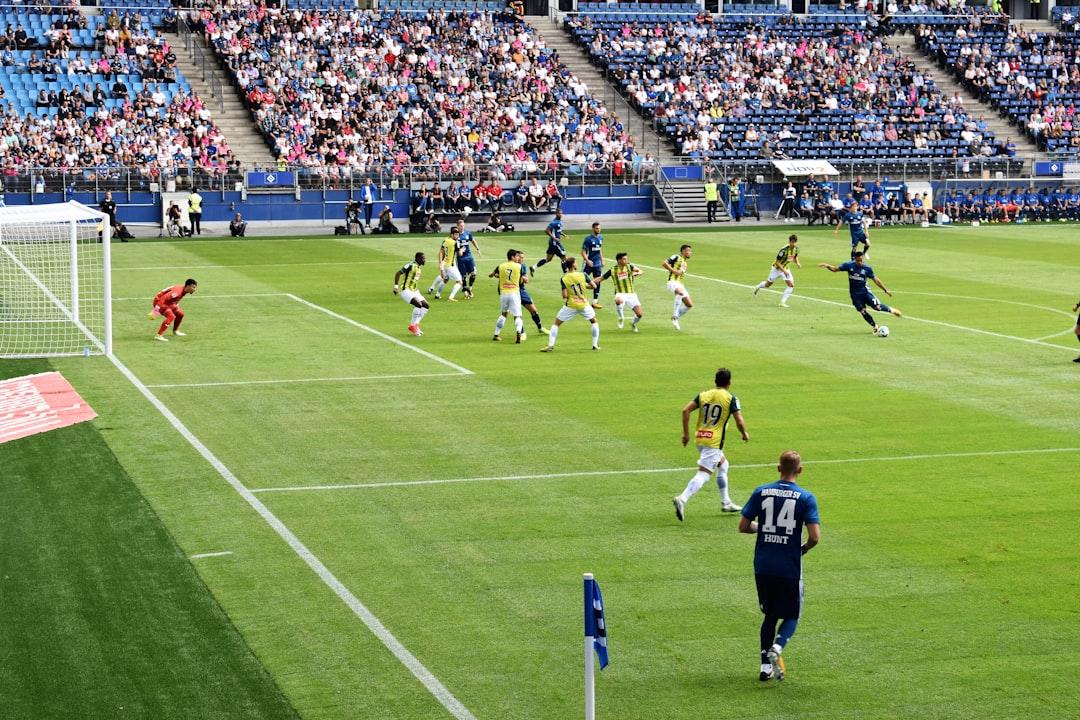
Glentoran boss Kim Turner has raised serious concerns regarding player welfare after her team was forced to compete in two matches within 24 hours.
Jul 10, 2026·0 views
Key Takeaways
The landscape of women’s football has seen exponential growth in recent years, with record-breaking attendance figures and increased media coverage. However, beneath the surface of this professional advancement, significant logistical issues continue to plague clubs and players. Glentoran manager Kim Turner has become the latest voice to speak out against what she describes as 'poor and unfair' scheduling, following a grueling period where her squad was expected to play two competitive matches in just over 24 hours.
For elite athletes, recovery time is the cornerstone of performance and injury prevention. When a professional team is forced to play two matches within such a short window, the risk of soft tissue injuries, fatigue, and burnout increases exponentially. Turner’s frustration stems not just from the competitive disadvantage this creates, but from the perceived lack of concern for the physical well-being of the players involved.
- Recovery Constraints: The standard recovery window between professional football matches is typically 72 hours. A 24-hour turnaround leaves virtually no time for tactical preparation or physical recuperation.
- Injury Risk: High-intensity exercise without adequate rest is a primary contributor to muscle strains and long-term joint issues.
- Competitive Integrity: When a team is forced to rotate players or play exhausted athletes, the quality of the game suffers, undermining the spectacle that leagues are trying to build.
Turner’s remarks went beyond the logistics of the fixture list, touching upon a deeper systemic issue. In an interview following the matches, the Glentoran boss questioned whether the governing bodies and organizers truly care about the women’s game. This sentiment reflects a broader dialogue currently taking place in sports administration: as women's football moves toward full professionalization, the infrastructure supporting it—including scheduling, travel, and medical standards—must evolve at a comparable pace.
"It’s really poor and unfair," Turner stated. "You have to ask if people really care about the women’s game when they put teams in these positions." Her comments serve as a clarion call for leagues to prioritize the welfare of their participants over the convenience of a calendar.
To ensure the long-term sustainability and growth of the sport, stakeholders in women’s football must address the inconsistencies in how fixtures are managed. As the sport attracts more investment, there is a growing expectation that match-day operations will mirror the standards seen in the men’s game.
- Centralized Scheduling Oversight: Establishing an independent body to review fixture lists to ensure no team is subjected to unreasonable travel or turnaround times.
- Player Welfare Protocols: Implementing mandatory minimum rest periods in league bylaws that cannot be bypassed, even in the event of venue or weather-related postponements.
- Communication and Transparency: Leagues must engage more closely with club managers when rescheduling becomes necessary, ensuring that the health of the players remains the primary consideration.
As the women’s game continues to professionalize, the industry must transition away from an amateur-era mindset. Managers like Kim Turner are at the forefront of this shift, demanding that the professionalism seen on the pitch is matched by the professionalism in the boardroom and the front office.
If the sport is to maintain its momentum, it cannot afford to treat its players as disposable assets. The scheduling failures highlighted by the Glentoran experience serve as a stark reminder that as the stakes get higher, the infrastructure must become more robust. The question remains whether league organizers will heed this warning and implement the necessary changes to protect the athletes who make the sport what it is today.
Enjoying this article?
Get the daily AI briefing sent straight to your inbox.
Frequently Asked Questions
Why did Kim Turner criticize the football league?
Kim Turner criticized the league for scheduling two competitive matches within a 24-hour window, which she deemed unfair and harmful to player welfare.
What are the risks of playing two matches in 24 hours?
Playing two matches in 24 hours significantly increases the risk of injury, muscle fatigue, and prevents proper physical recovery, which is essential for professional athletes.
Comments
0Please sign in to leave a comment.
Related articles

Bournemouth Boss Andoni Iraola Receives Major Boost Following Real Madrid News
Andoni Iraola’s Bournemouth faces a pivotal season, with recent developments involving Real Madrid potentially opening new doors for the Premier League side.
Karim Adeyemi Set for Barcelona Move: A New Era for the Blaugrana Attack
Karim Adeyemi is officially set to join FC Barcelona, marking a significant shift in the club's offensive strategy for the upcoming season.
Walsall Secures Future: Bristol Rovers Goalkeeper Jed Ward Joins Saddlers
Walsall FC has bolstered its defensive ranks with the permanent signing of Bristol Rovers goalkeeper Jed Ward on a three-year contract.